Celery in Zone 9a & 9b
Apium graveolens
Yes, celery grows in zones 9a and 9b. Start seeds indoors Dec 7–Dec 14 and plant out Feb 1–Feb 8.
When to plant celery in zone 9b
Zones 9a and 9b share the same average frost dates, so this page covers both.
Method: Start indoors: Start indoors from seed, then transplant outside. It needs a head start most zones can't give it by direct-sowing alone.
| Start indoors | Dec 7–Dec 14 |
|---|---|
| Direct sow / transplant outside | Feb 1–Feb 8 |
| Estimated harvest | Jun 1–Jun 8 (~120 days after transplanting) |
Spacing: 4 per square foot (square-foot-gardening spacing). Mature height: 1.5-2 ft.
Plant alongside it in zone 9b
These go outside within two weeks of celery in zone 9b, so one planting day can cover them.
- RadishJan 18–Jan 25
- CarrotJan 25–Feb 1
- CabbageFeb 1–Feb 8
- LettuceFeb 1–Feb 8
- BroccoliFeb 1–Feb 8
- Flower SproutsFeb 1–Feb 8
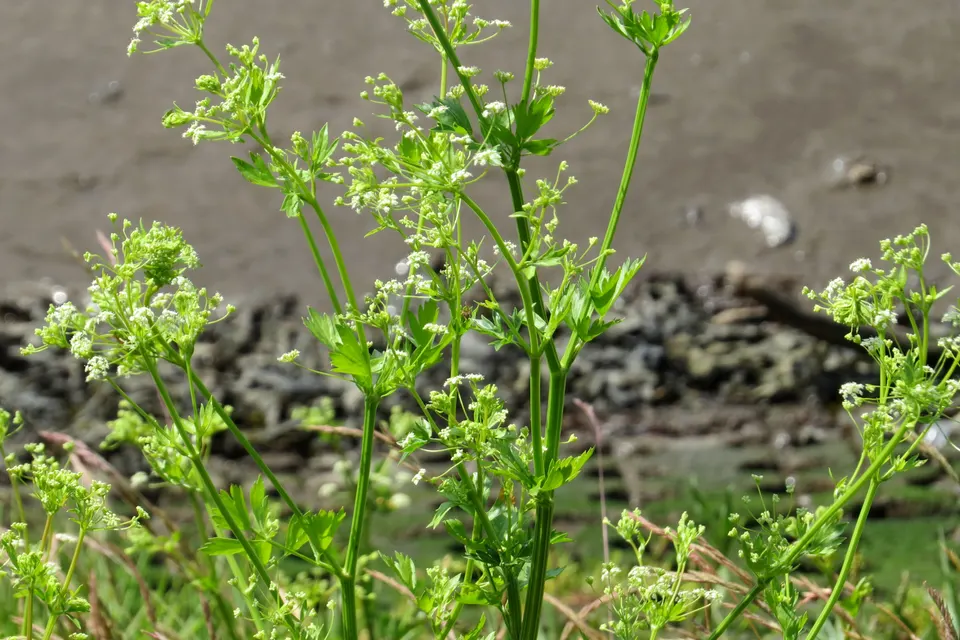
Celery has a reputation for being finicky, and that reputation is earned: it needs 120 days of consistently moist soil and steady feeding to form the thick, non-stringy stalks you'd want to eat. It's not a crop to plant and forget.
How celery fits zone 9's season
Zone 9b's frost-free window runs about 293 days, from February 15 to December 5. Celery needs about 120 days from transplant to first harvest.
Celery planting windows in every zone
Zone 9b is highlighted. Useful for comparing against a neighbouring zone, or for a garden somewhere else.
| Zone | Start indoors | Sow or plant out | Harvest |
|---|---|---|---|
| 3a & 3b | Mar 21–Mar 28 | May 16–May 23 | Sep 13–Sep 20 |
| 4a & 4b | Mar 6–Mar 13 | May 1–May 8 | Aug 29–Sep 5 |
| 5a & 5b | Mar 1–Mar 8 | Apr 26–May 3 | Aug 24–Aug 31 |
| 6a & 6b | Feb 14–Feb 21 | Apr 11–Apr 18 | Aug 9–Aug 16 |
| 7a & 7b | Jan 30–Feb 6 | Mar 27–Apr 3 | Jul 25–Aug 1 |
| 8a & 8b | Jan 14–Jan 21 | Mar 11–Mar 18 | Jul 9–Jul 16 |
| 9a & 9b (your zone) | Dec 7–Dec 14 | Feb 1–Feb 8 | Jun 1–Jun 8 |
Harvest dates are about 120 days after the sow or plant-out date, not after starting seeds indoors.
Good companions
- Onion: Onion scent may deter celery pests.
Where to buy celery seeds
True Leaf Market · Burpee · High Mowing Organic Seeds (each supplier's celery seeds)
Varieties we recommend, and where to get them:
- Tall Utah 52-70R: Cornell's Vegetable Varieties for Gardeners database rates it a full 5 stars, dark green 11-12 inch compact stalks on tall plants, at 90-100 days. Buy: Burpee Full notes
See why we recommend these suppliers →
As an Amazon Associate we earn from qualifying purchases. Some links on this page also go to other retailers we may earn a commission from as an affiliate, at no extra cost to you. We only recommend products with a clear consensus of positive, independent reviews, or ones we bought and use ourselves. Each item on our gear page says which.
See it growing
Search YouTube for "growing celery" videos → (a live search, not a hand-picked video; results vary and aren't vetted by us)
← Back to the full zone 9b calendar · Plan your beds in the Garden Designer →

Pin this for later
Growing Celery in USDA zone 9b: when to start seeds indoors, when to direct-sow, and when to expect a harvest.
Save to Pinterest