Growing Celery: A Complete Profile
By Growing Home Greens Team · July 18, 2026
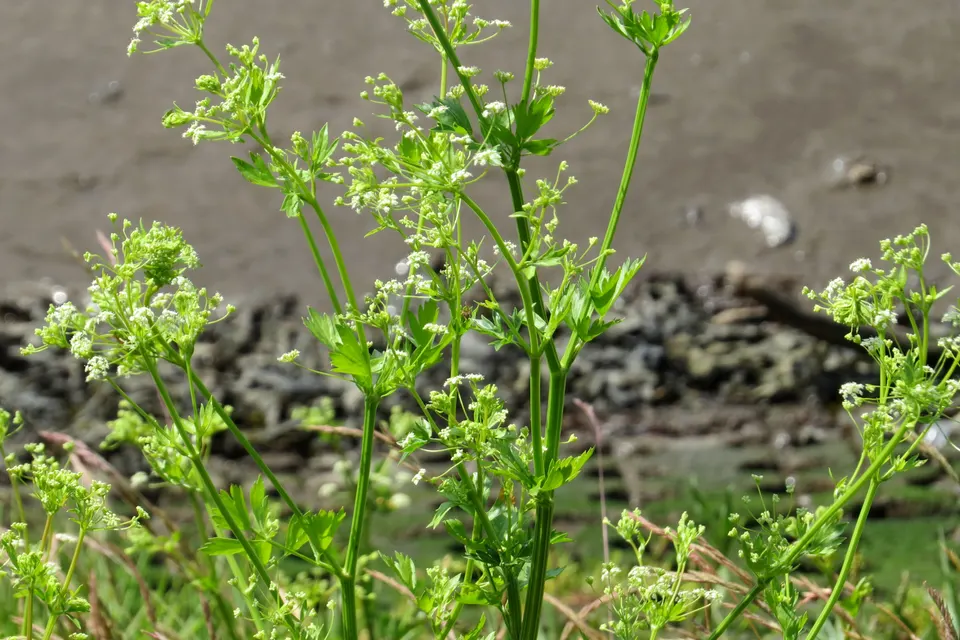
Celery has a reputation for being finicky, and that reputation is earned: it needs 120 days of consistently moist soil and steady feeding to form the thick, non-stringy stalks you’d want to eat. It’s not a crop to plant and forget.
Starting it early, and starting it slow
Start celery indoors, at 10 weeks before your last frost, it’s one of the earliest seeds you’ll sow all season, and it grows slowly at first. Seedlings don’t go outside until after your last frost date, since young celery exposed to prolonged cold can bolt prematurely. Once transplanted, the deciding factor is water: celery’s shallow roots can’t reach deep for moisture, so irregular watering causes tough, stringy, or hollow stalks.
Stringy stalks trace back to one thing
Stringy or bitter stalks almost always trace back to drought stress at some point in the growing cycle, not variety choice. Slow, uneven growth in the first few weeks after transplanting is normal. Celery takes a while to get going, and pushing it with excess nitrogen too early won’t speed it up.
A fixed spot, not a rotation slot
Celery pairs reasonably well with onions, whose scent may help mask it from pests. See the full companion guide for celery. At 4 plants per square foot and a 120-day season, it holds a bed for most of the summer, so give it a fixed spot in the Garden Designer rather than planning to rotate something else through that space mid-season.
Companion planting guide for Celery · Find your planting dates
Typically viable in USDA zones 3-9. Not sure your zone? Look it up by ZIP code.
Mature height: 1.5-2 ft
Method: Start indoors: Start indoors from seed, then transplant outside. It needs a head start most zones can't give it by direct-sowing alone.
When to plant celery, by zone
Every zone celery grows in. Pick your zone in the header and it will be highlighted here. Each zone links to its full page.
| Zone | Start indoors | Sow or plant out | Harvest |
|---|---|---|---|
| 3a & 3b | Mar 21–Mar 28 | May 16–May 23 | Sep 13–Sep 20 |
| 4a & 4b | Mar 6–Mar 13 | May 1–May 8 | Aug 29–Sep 5 |
| 5a & 5b | Mar 1–Mar 8 | Apr 26–May 3 | Aug 24–Aug 31 |
| 6a & 6b | Feb 14–Feb 21 | Apr 11–Apr 18 | Aug 9–Aug 16 |
| 7a & 7b | Jan 30–Feb 6 | Mar 27–Apr 3 | Jul 25–Aug 1 |
| 8a & 8b | Jan 14–Jan 21 | Mar 11–Mar 18 | Jul 9–Jul 16 |
| 9a & 9b | Dec 7–Dec 14 | Feb 1–Feb 8 | Jun 1–Jun 8 |
Harvest dates are about 120 days after the sow or plant-out date, not after starting seeds indoors.
See exact start-indoors, direct-sow, and harvest dates for your zone →
How many Celery plants fit per square foot?
Spacing: 4 per square foot (square-foot-gardening spacing). Mature height: 1.5-2 ft.
Soil & water: pH 6-6.5. Needs well-drained soil. Amend with lime if soil pH falls below 6.
Good companions for celery
- Onion: Onion scent may deter celery pests.
Full companion guide, including what to keep away from celery →
Varieties worth considering
- Conquistador: MSU Extension describes it as a relatively fast-maturing celery variety that's easier to grow than longer-season, more productive varieties like Green Bay, a reasonable pick if you've struggled with celery before. (source)
- Tall Utah 52-70R: Cornell's Vegetable Varieties for Gardeners database rates it a full 5 stars, dark green 11-12 inch compact stalks on tall plants, at 90-100 days. The standard main-season type most home gardeners picture when they think of celery. (source) Buy seeds: Burpee
- Par-cel: Also 5 stars in Cornell's database, but a different plant: a cutting celery that resembles parsley rather than forming thick stalks, and is heat and drought tolerant where standard celery struggles. Worth growing for the leaves alone if full stalk celery has beaten you before. (source)
Why each variety is listed comes from the source shown next to it. We haven't grown these ourselves yet, so treat this as a research-backed starting point, not a personal endorsement. The buy links are separate from those sources: they go to seed suppliers that sell that exact variety, and we may earn a commission on some of them.
Where to buy celery seeds
True Leaf Market · Burpee · High Mowing Organic Seeds (each supplier's celery seeds)
The varieties we recommend above each have their own buy links, for the suppliers that sell that exact variety.
As an Amazon Associate we earn from qualifying purchases. Some links on this page also go to other retailers we may earn a commission from as an affiliate, at no extra cost to you. We only recommend products with a clear consensus of positive, independent reviews, or ones we bought and use ourselves. Each item on our gear page says which.
See it growing
Search YouTube for "growing celery" videos → (a live search, not a hand-picked video; results vary and aren't vetted by us)

Pin this for later
Growing Celery: A slow, water-hungry crop that rewards a long season and consistent moisture more than any other vegetable in the garden.
Save to Pinterest