Growing Zucchini: A Complete Profile
By Growing Home Greens Team · July 16, 2026
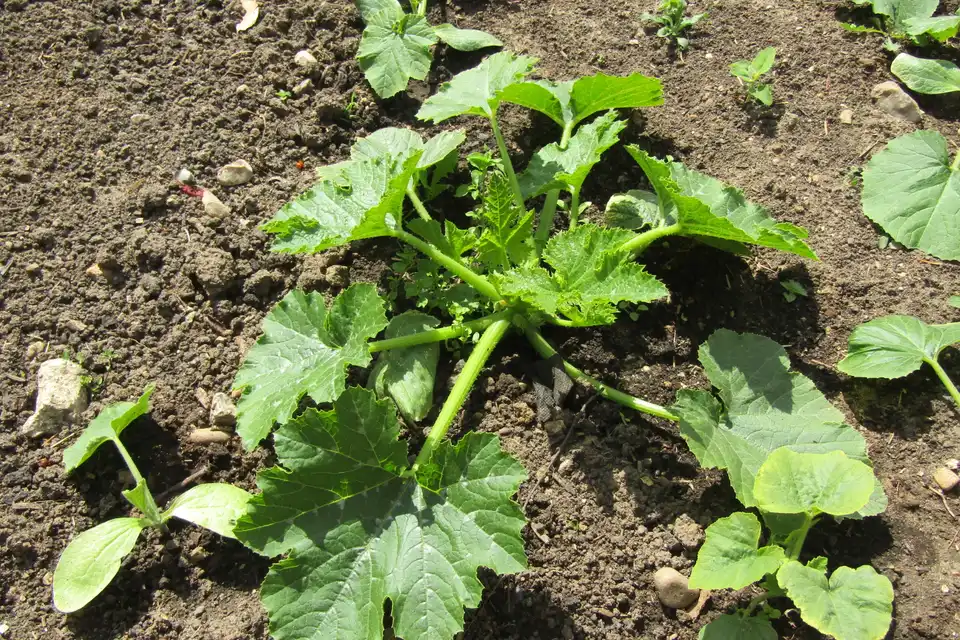
Zucchini’s reputation for overwhelming a garden is well-earned: a single healthy plant can produce more squash than most households can eat, which is exactly why our planting calendar puts just one plant per square foot rather than clustering several together.
Checking on it every day or two
Fruit grows fast, a zucchini can go from perfect to baseball-bat-sized in two or three days once the plant is established, so check plants every day or two once flowering starts. Harvesting at 6–8 inches keeps the plant producing continuously; letting fruit grow huge signals the plant to slow down.
Flowers that fall off, and mildew that shows up late
Flowers falling off without setting fruit is usually a pollination issue, not a disease. Squash plants produce separate male and female flowers, and if pollinator activity is low, hand-pollinating with a small brush works fine. Powdery mildew (white, dusty patches on leaves) is common late-season and rarely fatal, but good airflow (proper spacing, not overcrowding) helps prevent it.
Give it a corner, not the middle
Zucchini sprawls, so our Garden Designer places it at a bed edge or corner rather than the interior, whether you place it by hand or use the auto-placement tool. Marigolds and nasturtiums are documented pest-deterrent companions. See the full companion guide for zucchini.
Companion planting guide for Zucchini · Find your planting dates
Typically viable in USDA zones 3-11. Not sure your zone? Look it up by ZIP code.
Mature height: 2-3 ft
Method: Either: Start indoors for an earlier harvest, or direct-sow outside for less fuss. Either works.
When to plant zucchini, by zone
Every zone zucchini grows in. Pick your zone in the header and it will be highlighted here. Each zone links to its full page.
| Zone | Start indoors | Sow or plant out | Harvest |
|---|---|---|---|
| 3a & 3b | May 9–May 16 | Jun 6–Jun 13 | Jul 26–Aug 2 |
| 4a & 4b | Apr 24–May 1 | May 22–May 29 | Jul 11–Jul 18 |
| 5a & 5b | Apr 19–Apr 26 | May 17–May 24 | Jul 6–Jul 13 |
| 6a & 6b | Apr 4–Apr 11 | May 2–May 9 | Jun 21–Jun 28 |
| 7a & 7b | Mar 20–Mar 27 | Apr 17–Apr 24 | Jun 6–Jun 13 |
| 8a & 8b | Mar 4–Mar 11 | Apr 1–Apr 8 | May 21–May 28 |
| 9a & 9b | Jan 25–Feb 1 | Feb 22–Mar 1 | Apr 13–Apr 20 |
| 10a & 10bSpring window | Jan–Feb | Feb–Mar | ~50 days after transplanting |
| Summer window | Jul–Aug | Aug–Sep | ~50 days after transplanting |
| 11a & 11bSummer window | Not usually | Aug–Mar | ~50 days after planting |
Harvest dates are about 50 days after the sow or plant-out date, not after starting seeds indoors.
See exact start-indoors, direct-sow, and harvest dates for your zone →
How many Zucchini plants fit per square foot?
Spacing: about 4 square feet per plant (square-foot-gardening spacing). Mature height: 2-3 ft.
Soil & water: pH 6-6.5. Needs well-drained soil. Amend with lime if soil pH falls below 6.
Good companions for zucchini
- Marigold: Marigolds deter squash bugs and beetles.
- Nasturtium: Nasturtium is a trap crop that draws aphids away from squash.
Full companion guide, including what to keep away from zucchini →
Varieties worth considering
- Dunja (F1, Organic): Johnny's Seeds describes it as early and powdery-mildew resistant, worth considering in humid climates where PM regularly cuts a zucchini season short. (source) Buy seeds: High Mowing Organic Seeds
- Partenon (F1, Organic): Parthenocarpic, meaning it sets fruit without pollination at all, which matters in a bad year for bees or an extreme heat spell that stalls pollination. Johnny's also lists it resistant to powdery mildew and cucumber beetles, on top of the fruit-set advantage. (source)
- Green Machine (F1, Organic): An open-habit plant that Johnny's rates with intermediate resistance to four viruses at once (cucumber mosaic, powdery mildew, watermelon mosaic and zucchini yellow mosaic), useful if your garden has a history of virus problems rather than just mildew. (source)
- 'Costata Romanesco' (best for: flavor over yield): Johnny's describes this Italian heirloom as ribbed, gray-green, with clearly better flavor and texture than hybrid zucchini, nutty raw or cooked, though the big, semi-vining plants yield only about half of what a hybrid like Dunja or Partenon produces. Grow it for flavor in a garden that has room to spare, not for maximum output. (source)
Why each variety is listed comes from the source shown next to it. We haven't grown these ourselves yet, so treat this as a research-backed starting point, not a personal endorsement. The buy links are separate from those sources: they go to seed suppliers that sell that exact variety, and we may earn a commission on some of them.
Where to buy zucchini seeds
True Leaf Market · Burpee · High Mowing Organic Seeds (each supplier's zucchini seeds)
The varieties we recommend above each have their own buy links, for the suppliers that sell that exact variety.
As an Amazon Associate we earn from qualifying purchases. Some links on this page also go to other retailers we may earn a commission from as an affiliate, at no extra cost to you. We only recommend products with a clear consensus of positive, independent reviews, or ones we bought and use ourselves. Each item on our gear page says which.
See it growing
Search YouTube for "growing zucchini" videos → (a live search, not a hand-picked video; results vary and aren't vetted by us)

Pin this for later
Growing Zucchini: The famously prolific summer squash: how many plants a household needs, powdery mildew prevention, and what to do once it outpaces you.
Save to Pinterest