Growing Figs: A Complete Profile
By Growing Home Greens Team · August 6, 2026
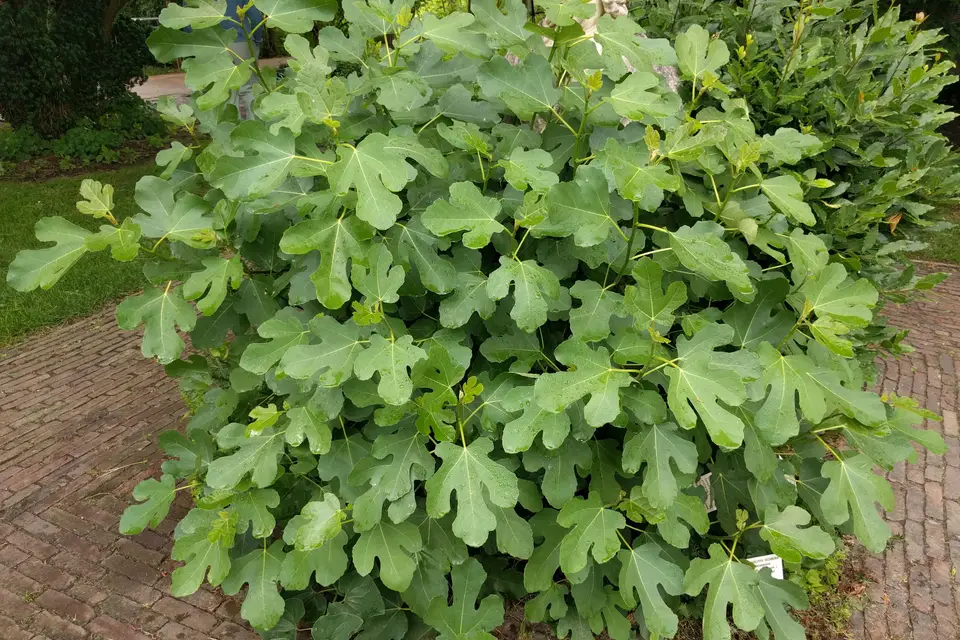
Figs are the most generous fruit tree a small garden can have. They fruit within a year or two of planting rather than the five an apple takes, they need no pollination partner, and the common varieties need no pollinating wasp either. They’re also the only fruit here that people routinely grow in a pot and drag into a garage each winter, which is what puts them within reach of gardeners in zone 6.
Feed it less
The counterintuitive one, and it’s straight from UGA’s guidance: winter injury tracks vigour. A fig pushed hard with fertiliser makes soft, fast growth that hasn’t hardened off by the time cold arrives, and that’s the growth that dies.
Their advice for cold regions is blunt: if figs are frequently winter-injured where you are, halve the fertiliser. A fig on poor rations is a tougher fig.
Growing one north of zone 7
Two approaches, both legitimate.
Container. A large pot, wheeled into an unheated garage or shed once the leaves drop, back out after the worst frosts. The plant needs a cold dormancy but not a freeze. This also keeps it to a manageable size, since a fig in open ground goes well past ten feet.
In the ground, accepting dieback. Plant against a south-facing wall (UGA specifically recommends the south side of a building in colder areas) and accept that in a hard winter it dies back and resprouts from the base. Varieties like ‘Hardy Chicago’ are grown this way routinely.
Root restriction in a pot doesn’t hurt fruiting. If anything a slightly pot-bound fig fruits more freely.
What goes wrong
Fruit forms but drops before ripening. Usually cold or water stress, sometimes just an immature tree. Figs are also the fruit most likely to set a crop it can’t finish in a short season; the first (breba) crop on last year’s wood ripens earlier and is your best bet in a marginal climate.
Fruit turns sour and ferments on the tree. Insects entering through the eye of the fruit, then souring organisms. Closed-eye varieties like ‘Celeste’ are much less prone, which is a good reason to pick one.
Big leafy tree, no fruit. Too much nitrogen, or too much shade, or too much pruning. See above on feeding.
Sudden decline in the south. Root-knot nematodes, which UGA names as the leading problem in south Georgia. Container growing sidesteps it.
Picking
A fig is ripe when it droops on its stalk and softens; a fig picked firm will never ripen further and tastes of nothing. If it’s still standing out horizontally, leave it.
The milky sap from an unripe fig irritates skin. Pick with the fruit fully soft and you’ll avoid it.
Where to put it
Full sun, a south-facing wall in anywhere cool, and either a large container or eight feet of clearance. The Garden Designer marks it tall and sprawling, which is a fair description of a mature one in the ground and a bit unkind to a potted one.
Source: Home Garden Figs, University of Georgia Extension.
Companion planting guide for Fig · Find your planting dates
Typically viable in USDA zones 7-11. Not sure your zone? Look it up by ZIP code.
Mature height: 8-15 ft
Method: Buy as a start: Buy as a nursery start and transplant outside. It's slow or unreliable from seed, so most gardeners skip seed-starting it entirely.
When to plant fig, by zone
Every zone fig grows in. Pick your zone in the header and it will be highlighted here. Each zone links to its full page.
| Zone | Start indoors | Sow or plant out | Harvest |
|---|---|---|---|
| 7a & 7b | Buy as a start | Apr 24–May 1 | First real harvest the season after planting |
| 8a & 8b | Buy as a start | Apr 8–Apr 15 | First real harvest the season after planting |
| 9a & 9b | Buy as a start | Mar 1–Mar 8 | First real harvest the season after planting |
| 10a & 10b | Buy as a start | Feb 13–Feb 20 | First real harvest the season after planting |
| 11a & 11b | Buy as a start | Jan 15–Jan 22 | First real harvest the season after planting |
See exact start-indoors, direct-sow, and harvest dates for your zone →
How many Fig plants fit per square foot?
Spacing: about 50 square feet per plant (square-foot-gardening spacing). Mature height: 8-15 ft.
Varieties worth considering
- 'Celeste': UGA names it one of the two best for the south, and also one of the two worth trying in their coldest region with a protected site. Small, sweet, closed-eye fruit, which matters because a closed eye keeps out the insects that cause souring. (source)
- 'Hardy Chicago': The other one UGA recommends attempting in cold areas. Will die back to the ground in a hard winter and resprout, which is a viable way to grow figs north of their comfortable range. (source)
- 'Brown Turkey': The variety most widely sold, and reliable rather than exceptional. A dependable first fig, and the one most likely to be available locally as a potted plant. (source)
Why each variety is listed comes from the source shown next to it. We haven't grown these ourselves yet, so treat this as a research-backed starting point, not a personal endorsement. The buy links are separate from those sources: they go to seed suppliers that sell that exact variety, and we may earn a commission on some of them.
Where to buy fig starts
Fig is almost always bought as a nursery start rather than seeded. Check a local nursery or garden center; we haven't vetted online start/plant suppliers yet.
As an Amazon Associate we earn from qualifying purchases. Some links on this page also go to other retailers we may earn a commission from as an affiliate, at no extra cost to you. We only recommend products with a clear consensus of positive, independent reviews, or ones we bought and use ourselves. Each item on our gear page says which.
See it growing
Search YouTube for "growing fig" videos → (a live search, not a hand-picked video; results vary and aren't vetted by us)

Pin this for later
Growing Fig: Figs fruit young, need no pollinator, and grow further north than most people think if you keep them in a pot. Varieties, cold protection, and why feeding them backfires.
Save to Pinterest