Tart Cherry in Zone 8a & 8b
Prunus cerasus
Yes, tart cherry grows in zones 8a and 8b and comes back each year. Set out nursery plants Mar 11–Mar 18.
When to plant tart cherry in zone 8b
Zones 8a and 8b share the same average frost dates, so this page covers both.
Method: Buy as a start: Buy as a nursery start and transplant outside. It's slow or unreliable from seed, so most gardeners skip seed-starting it entirely.
| Start indoors | Not started from seed; buy as a nursery start |
|---|---|
| Direct sow / transplant outside | Mar 11–Mar 18 |
| Estimated harvest | First real harvest in year 4 |
Spacing: about 50 square feet per plant (square-foot-gardening spacing). Mature height: 12-16 ft.
Before you plant: Tart cherry has a winter-hardiness note for zone 8b. See the details below.
Plant alongside it in zone 8b
These go outside within two weeks of tart cherry in zone 8b, so one planting day can cover them.
- AppleMar 11–Mar 18
- ApricotMar 11–Mar 18
- Aronia (Black Chokeberry)Mar 11–Mar 18
- ElderberryMar 11–Mar 18
- PeachMar 11–Mar 18
- PearMar 11–Mar 18
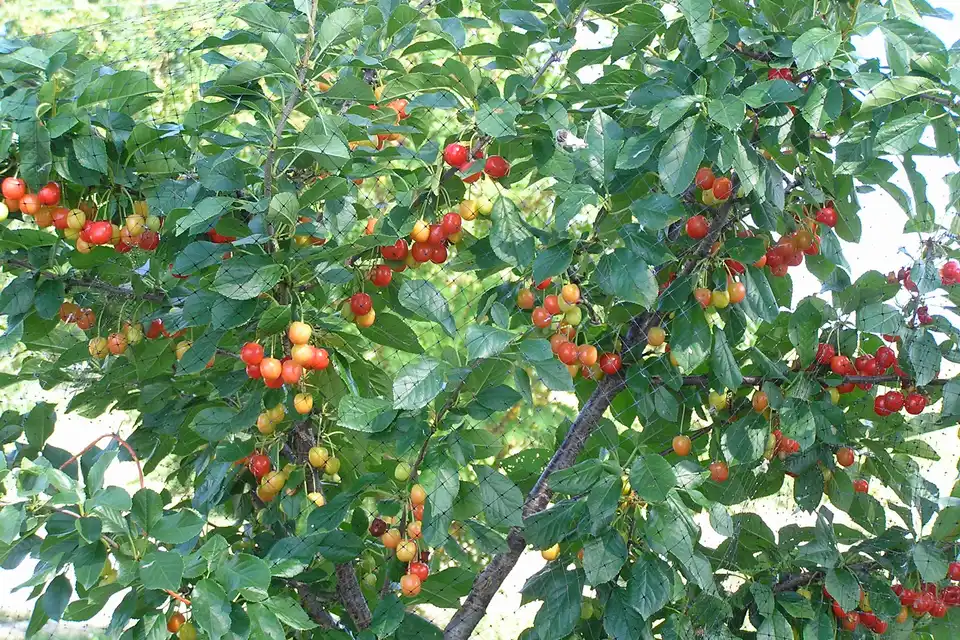
Tart cherry (Prunus cerasus), also called sour or pie cherry, is a separate species from sweet cherry and a distinctly different growing experience: self-fertile, more cold-hardy, and more compact, grown almost entirely for cooking rather than fresh eating since the fruit is tart straight off the tree.
How tart cherry fits zone 8's season
Zone 8b's frost-free window runs about 230 days, from March 25 to November 10. Tart cherry takes about 3 growing seasons to reach first worthwhile harvest, so what matters here is how many of these seasons it gets, not whether one is long enough.
Tart cherry is hardy in zones 4-8, so in zone 8b it stays in the ground through winter and comes back rather than being replanted. Allow about 15 ft of spread at maturity.
Tart Cherry planting windows in every zone
Zone 8b is highlighted. Useful for comparing against a neighbouring zone, or for a garden somewhere else.
| Zone | Start indoors | Sow or plant out | Harvest |
|---|---|---|---|
| 4a & 4b | Buy as a start | May 1–May 8 | First real harvest in year 4 |
| 5a & 5b | Buy as a start | Apr 26–May 3 | First real harvest in year 4 |
| 6a & 6b | Buy as a start | Apr 11–Apr 18 | First real harvest in year 4 |
| 7a & 7b | Buy as a start | Mar 27–Apr 3 | First real harvest in year 4 |
| 8a & 8b (your zone) | Buy as a start | Mar 11–Mar 18 | First real harvest in year 4 |
Good companions
No well-established companions for tart cherry.
Where to buy tart cherry starts
Tart cherry is almost always bought as a nursery start rather than seeded. Check a local nursery or garden center; we haven't vetted online start/plant suppliers yet.
As an Amazon Associate we earn from qualifying purchases. Some links on this page also go to other retailers we may earn a commission from as an affiliate, at no extra cost to you. We only recommend products with a clear consensus of positive, independent reviews, or ones we bought and use ourselves. Each item on our gear page says which.
See it growing
Search YouTube for "growing tart cherry" videos → (a live search, not a hand-picked video; results vary and aren't vetted by us)
← Back to the full zone 8b calendar · Plan your beds in the Garden Designer →

Pin this for later
Growing Tart Cherry in USDA zone 8b: when to start seeds indoors, when to direct-sow, and when to expect a harvest.
Save to Pinterest