Growing Naga Viper Peppers: A Complete Profile
By Growing Home Greens Team · October 1, 2026
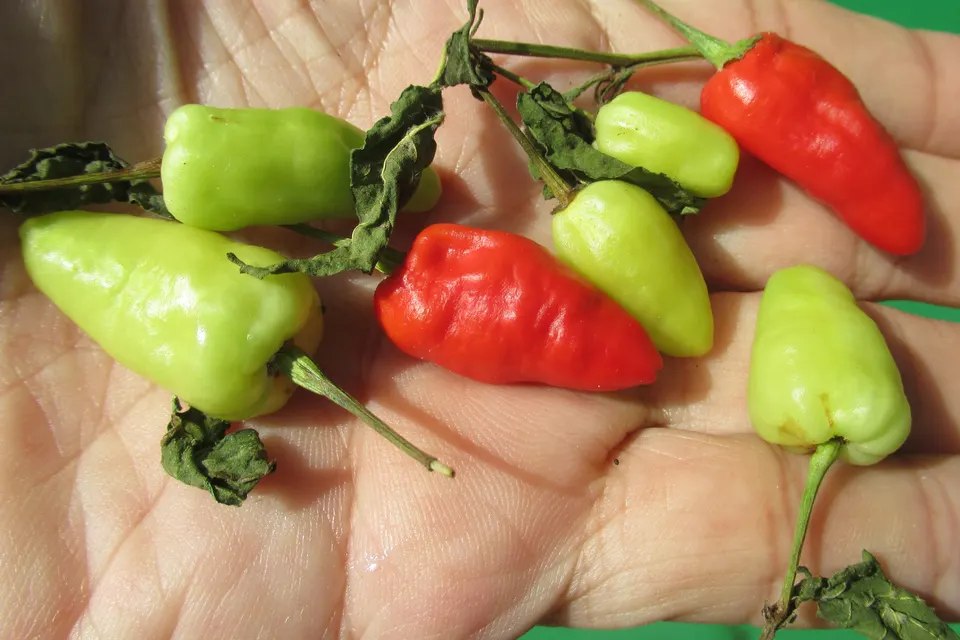
Naga Viper was bred in Cumbria, England, from Naga Morich, Bhut Jolokia and Trinidad Scorpion parents, according to Reimer Seeds. It briefly held the title of the world’s hottest pepper before the scorpions and the Reaper overtook it.
Heat and harvest
Reimer Seeds rates it at 1,359,000 Scoville units and lists 100 days or more to maturity. Pods are about 3.5 inches long and 1 inch wide, ripening from green through orange to red.
A smaller superhot
Reimer gives plants 24 to 36 inches tall, so it is one of the more compact superhots and a reasonable container choice. One plant per square foot in the Garden Designer.
Start it early
Start seed indoors about eleven weeks before your last frost, the same as our other superhots, and expect slow, uneven germination. The Superhot Pepper profile covers bottom heat for germination, gloves for handling the fruit, and overwintering the plant indoors so you are not starting from seed every year.
The companion guide lists what to plant nearby.
Growing it next to other peppers
Different pepper varieties cross-pollinate easily, hot ones included. NC State Extension notes that when hot and sweet peppers cross, the heat shows up in later generations grown from saved seed, and suggests keeping varieties 20 to 30 feet apart if you plan to save your own. Baker Creek, which grows seed for sale, isolates varieties by at least 500 feet. If you buy fresh seed each year, you can plant different peppers side by side.
Sources: Reimer Seeds, Naga Viper; Wikipedia, Naga Viper pepper; NC State Extension, Saving Your Own Seed.
Companion planting guide for Naga Viper Pepper · Find your planting dates
Typically viable in USDA zones 3-11. Not sure your zone? Look it up by ZIP code.
Mature height: 2-3 ft
Method: Start indoors: Start indoors from seed, then transplant outside. It needs a head start most zones can't give it by direct-sowing alone.
When to plant Naga Viper pepper, by zone
Every zone Naga Viper pepper grows in. Pick your zone in the header and it will be highlighted here. Each zone links to its full page.
| Zone | Start indoors | Sow or plant out | Harvest |
|---|---|---|---|
| 3a & 3b | Mar 14–Mar 21 | Jun 13–Jun 20 | Sep 21–Sep 28 |
| 4a & 4b | Feb 27–Mar 6 | May 29–Jun 5 | Sep 6–Sep 13 |
| 5a & 5b | Feb 22–Mar 1 | May 24–May 31 | Sep 1–Sep 8 |
| 6a & 6b | Feb 7–Feb 14 | May 9–May 16 | Aug 17–Aug 24 |
| 7a & 7b | Jan 23–Jan 30 | Apr 24–May 1 | Aug 2–Aug 9 |
| 8a & 8b | Jan 7–Jan 14 | Apr 8–Apr 15 | Jul 17–Jul 24 |
| 9a & 9b | Nov 30–Dec 7 | Mar 1–Mar 8 | Jun 9–Jun 16 |
| 10a & 10bSummer window | May–Jul | Aug–Sep | ~100 days after transplanting |
| 11a & 11bSummer window | May–Nov | Aug–Feb | ~100 days after transplanting |
Harvest dates are about 100 days after the sow or plant-out date, not after starting seeds indoors.
See exact start-indoors, direct-sow, and harvest dates for your zone →
How many Naga Viper Pepper plants fit per square foot?
Spacing: 1 per square foot (square-foot-gardening spacing). Mature height: 2-3 ft.
Soil & water: pH 6-6.5. Needs well-drained soil. Amend with lime if soil pH falls below 6.
Good companions for Naga Viper pepper
- Basil: Reputed to repel aphids and improve pepper growth nearby, but a controlled garden trial testing this same claim on a related crop found no pest-reduction benefit from basil, and found higher pest counts on the basil-companioned plants. Treat this pairing as unproven, not as a working pest deterrent.
- Onion: Reputed to deter many common pepper pests, though this specific pairing hasn't been tested the way onion/carrot pest-masking has. Treat it as garden tradition.
Full companion guide, including what to keep away from Naga Viper pepper →
Where to buy Naga Viper pepper seeds
None of the seed suppliers we list carries Naga Viper pepper seeds right now. A local garden center or a specialty seed house is the place to look.
As an Amazon Associate we earn from qualifying purchases. Some links on this page also go to other retailers we may earn a commission from as an affiliate, at no extra cost to you. We only recommend products with a clear consensus of positive, independent reviews, or ones we bought and use ourselves. Each item on our gear page says which.
See it growing
Search YouTube for "growing Naga Viper pepper" videos → (a live search, not a hand-picked video; results vary and aren't vetted by us)

Pin this for later
Growing Naga Viper Pepper: An English-bred superhot from three hot parents, briefly the world's hottest.
Save to Pinterest