Sage in Zone 6a & 6b
Salvia officinalis
Yes, sage grows in zones 6a and 6b. Start seeds indoors Feb 28–Mar 7 and plant out May 9–May 16.
When to plant sage in zone 6b
Zones 6a and 6b share the same average frost dates, so this page covers both.
Method: Start indoors: Start indoors from seed, then transplant outside. It needs a head start most zones can't give it by direct-sowing alone.
| Start indoors | Feb 28–Mar 7 |
|---|---|
| Direct sow / transplant outside | May 9–May 16 |
| Estimated harvest | Jul 23–Jul 30 (~75 days after transplanting) |
Spacing: 1 per square foot (square-foot-gardening spacing). Mature height: 1.5-2.5 ft.
Plant alongside it in zone 6b
These go outside within two weeks of sage in zone 6b, so one planting day can cover them.
- BasilMay 9–May 16
- BorageApr 25–May 2
- TobaccoMay 9–May 16
- Za'atar OreganoMay 9–May 16
- CatmintMay 2–May 9
- Citronella Plant (Mosquito Plant)May 2–May 9
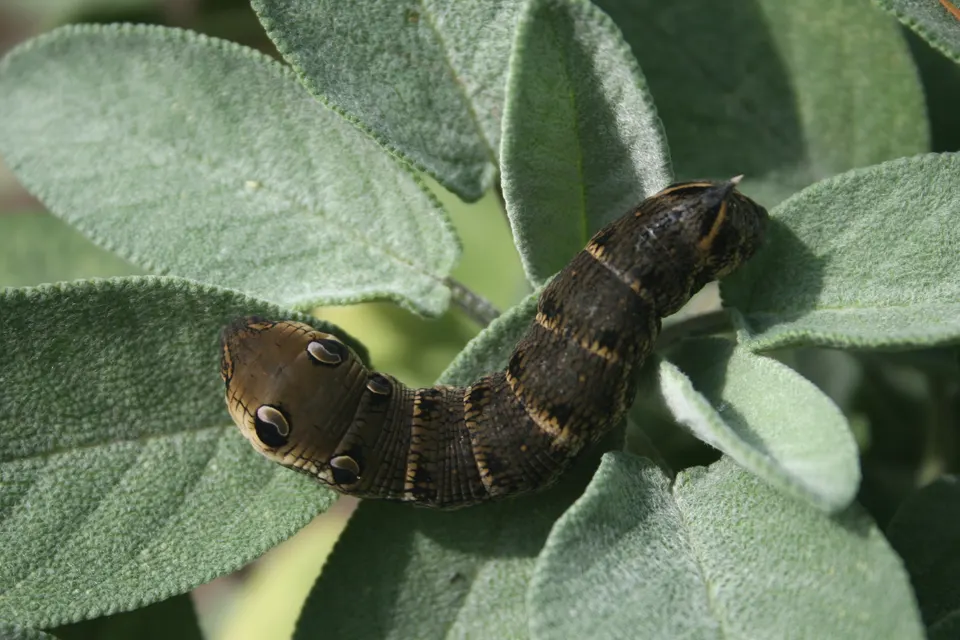
Unlike most herbs in a vegetable garden, sage is a perennial: plant it once and, in the right zone, it comes back year after year instead of needing to be restarted from seed each spring. That makes it more of a long-term fixture than a seasonal crop, closer in commitment to a shrub than a row of lettuce.
How sage fits zone 6's season
Zone 6b's frost-free window runs about 173 days, from April 25 to October 15. Sage needs about 75 days from transplant to first harvest.
Sage planting windows in every zone
Zone 6b is highlighted. Useful for comparing against a neighbouring zone, or for a garden somewhere else.
| Zone | Start indoors | Sow or plant out | Harvest |
|---|---|---|---|
| 4a & 4b | Mar 20–Mar 27 | May 29–Jun 5 | Aug 12–Aug 19 |
| 5a & 5b | Mar 15–Mar 22 | May 24–May 31 | Aug 7–Aug 14 |
| 6a & 6b (your zone) | Feb 28–Mar 7 | May 9–May 16 | Jul 23–Jul 30 |
| 7a & 7b | Feb 13–Feb 20 | Apr 24–May 1 | Jul 8–Jul 15 |
| 8a & 8b | Jan 28–Feb 4 | Apr 8–Apr 15 | Jun 22–Jun 29 |
Harvest dates are about 75 days after the sow or plant-out date, not after starting seeds indoors.
Good companions
- Cabbage: Penn State Extension lists sage among the herbs that measurably deter the egg-laying behavior of adult imported cabbageworm moths: the flea-beetle-deterrent half of this claim is less well documented, so treat that part as garden tradition.
- Carrot: Reputed to mask carrot scent from carrot rust fly, but Utah State Extension's carrot rust fly management guide doesn't list sage or any aromatic-herb masking strategy among its controls: treat this as folklore, not a documented tactic.
- Rosemary: Compatible dry-soil perennial companion.
Where to buy sage seeds
True Leaf Market · Burpee · High Mowing Organic Seeds (each supplier's sage seeds)
See why we recommend these suppliers →
As an Amazon Associate we earn from qualifying purchases. Some links on this page also go to other retailers we may earn a commission from as an affiliate, at no extra cost to you. We only recommend products with a clear consensus of positive, independent reviews, or ones we bought and use ourselves. Each item on our gear page says which.
See it growing
Search YouTube for "growing sage" videos → (a live search, not a hand-picked video; results vary and aren't vetted by us)
← Back to the full zone 6b calendar · Plan your beds in the Garden Designer →

Pin this for later
Growing Sage in USDA zone 6b: when to start seeds indoors, when to direct-sow, and when to expect a harvest.
Save to Pinterest