Rutabaga in Zone 6a & 6b
Brassica napus var. napobrassica
Yes, rutabaga grows in zones 6a and 6b. Plant it outside Jun 27–Jul 4.
When to plant rutabaga in zone 6b
Zones 6a and 6b share the same average frost dates, so this page covers both.
Method: Direct sow: Direct-sow outside. It doesn't transplant well, or doesn't need the extra time indoors.
| Start indoors | Not typically started indoors |
|---|---|
| Direct sow / transplant outside | Jun 27–Jul 4 |
| Estimated harvest | Sep 25–Oct 2 (~90 days after direct-sowing) |
Spacing: 4 per square foot (square-foot-gardening spacing). Mature height: 1-1.5 ft.
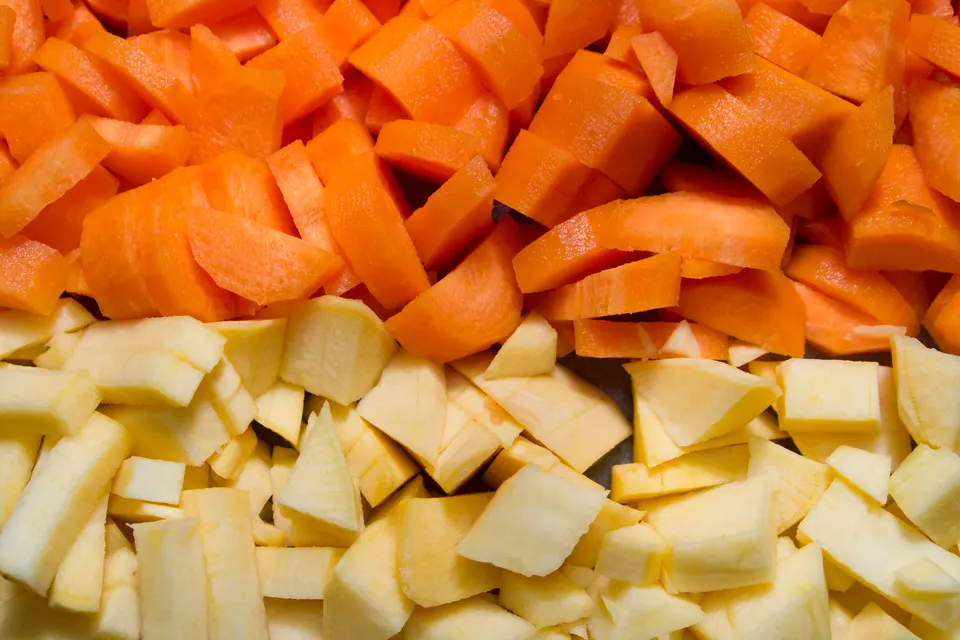
Rutabaga is a cross between cabbage and turnip, grown for its dense, sweet-fleshed root. Unlike most vegetables, it isn't planted off the spring last-frost date at all. It's sown in summer, timed backward from the fall harvest you want.
How rutabaga fits zone 6's season
Zone 6b's frost-free window runs about 173 days, from April 25 to October 15. Rutabaga needs about 90 days from sowing to first harvest.
Rutabaga planting windows in every zone
Zone 6b is highlighted. Useful for comparing against a neighbouring zone, or for a garden somewhere else.
| Zone | Start indoors | Sow or plant out | Harvest |
|---|---|---|---|
| 2a & 2b | Not usually | Jul 22–Jul 29 | Oct 20–Oct 27 |
| 3a & 3b | Not usually | Aug 1–Aug 8 | Oct 30–Nov 6 |
| 4a & 4b | Not usually | Jul 17–Jul 24 | Oct 15–Oct 22 |
| 5a & 5b | Not usually | Jul 12–Jul 19 | Oct 10–Oct 17 |
| 6a & 6b (your zone) | Not usually | Jun 27–Jul 4 | Sep 25–Oct 2 |
| 7a & 7b | Not usually | Jun 12–Jun 19 | Sep 10–Sep 17 |
| 8a & 8b | Not usually | May 27–Jun 3 | Aug 25–Sep 1 |
| 9a & 9b | Not usually | Apr 19–Apr 26 | Jul 18–Jul 25 |
Harvest dates are about 90 days after the sow or plant-out date.
Zone 2 sows before zone 3 here, which looks wrong and is not. USDA zones rank winter cold, not season length, and zone 2 is mostly interior Alaska, where hard winters come with warm summers. More on what a zone measures.
Good companions
- Radish: Radish (including the daikon form) is a documented trap crop for flea beetles, which prefer its mustard oils over other brassicas and can be sacrificed or pulled once infested: the same research cited on the radish page.
Where to buy rutabaga seeds
Botanical Interests · True Leaf Market · Burpee (each supplier's rutabaga seeds)
Varieties we recommend, and where to get them:
- Laurentian (Brassica napus var. napobrassica): The standard rutabaga, and for good reason: it's been the default North American variety since before 1920, and Johnny's Selected Seeds still sells it as the mild, sweet-flavored, uniform round root gardeners expect when they picture a rutabaga. Buy: True Leaf Market Full notes
- Helenor: A round, light-orange-fleshed type Johnny's says colors up earlier in root development than Laurentian, so you can gauge progress sooner, and stores well for up to six months at proper conditions. Buy: High Mowing Organic Seeds Full notes
See why we recommend these suppliers →
As an Amazon Associate we earn from qualifying purchases. Some links on this page also go to other retailers we may earn a commission from as an affiliate, at no extra cost to you. We only recommend products with a clear consensus of positive, independent reviews, or ones we bought and use ourselves. Each item on our gear page says which.
See it growing
Search YouTube for "growing rutabaga" videos → (a live search, not a hand-picked video; results vary and aren't vetted by us)
← Back to the full zone 6b calendar · Plan your beds in the Garden Designer →

Pin this for later
Growing Rutabaga in USDA zone 6b: when to start seeds indoors, when to direct-sow, and when to expect a harvest.
Save to Pinterest