Ammobium (Winged Everlasting) in Zone 2a & 2b
Ammobium alatum
Yes, ammobium (winged everlasting) grows in zones 2a and 2b. Start seeds indoors Apr 8–Apr 15 and plant out May 20–May 27.
When to plant ammobium (winged everlasting) in zone 2b
Zones 2a and 2b share the same average frost dates, so this page covers both.
Method: Start indoors: Start indoors from seed, then transplant outside. It needs a head start most zones can't give it by direct-sowing alone.
| Start indoors | Apr 8–Apr 15 |
|---|---|
| Direct sow / transplant outside | May 20–May 27 |
| Estimated bloom | Aug 8–Aug 15 (~80 days after transplanting) |
Spacing: 4 per square foot (square-foot-gardening spacing). Mature height: 1.5-2 ft.
Plant alongside it in zone 2b
These go outside within two weeks of ammobium (winged everlasting) in zone 2b, so one planting day can cover them.
- NasturtiumMay 27–Jun 3
- MarigoldMay 27–Jun 3
- African DaisyMay 20–May 27
- Amaranthus (Love-Lies-Bleeding)May 20–May 27
- Ammi (False Queen Anne's Lace)May 20–May 27
- California BluebellMay 20–May 27
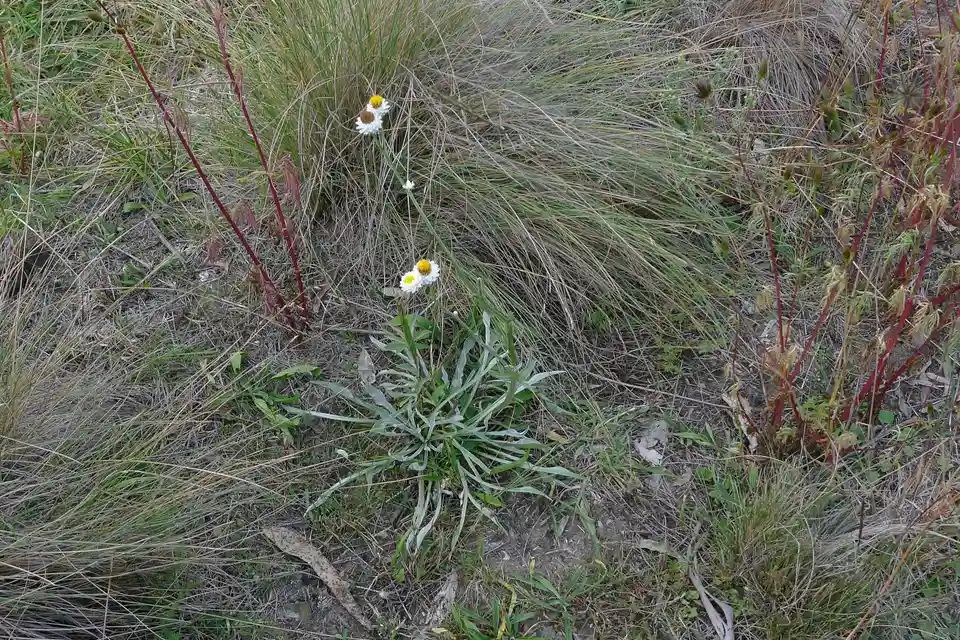
Ammobium, commonly called winged everlasting for the papery white bracts and the winged ridges running down its stems, is an uncommon but easy dried-flower crop worth trying if the more familiar strawflower feels overdone.
How ammobium (winged everlasting) fits zone 2's season
Zone 2b's frost-free window runs about 104 days, from May 20 to September 1. Ammobium (winged everlasting) needs about 80 days from transplant to first bloom.
Ammobium (Winged Everlasting) planting windows in every zone
Zone 2b is highlighted. Useful for comparing against a neighbouring zone, or for a garden somewhere else.
| Zone | Start indoors | Sow or plant out | Bloom |
|---|---|---|---|
| 2a & 2b (your zone) | Apr 8–Apr 15 | May 20–May 27 | Aug 8–Aug 15 |
| 3a & 3b | Apr 18–Apr 25 | May 30–Jun 6 | Aug 18–Aug 25 |
| 4a & 4b | Apr 3–Apr 10 | May 15–May 22 | Aug 3–Aug 10 |
| 5a & 5b | Mar 29–Apr 5 | May 10–May 17 | Jul 29–Aug 5 |
| 6a & 6b | Mar 14–Mar 21 | Apr 25–May 2 | Jul 14–Jul 21 |
| 7a & 7b | Feb 27–Mar 6 | Apr 10–Apr 17 | Jun 29–Jul 6 |
| 8a & 8b | Feb 11–Feb 18 | Mar 25–Apr 1 | Jun 13–Jun 20 |
| 9a & 9b | Jan 4–Jan 11 | Feb 15–Feb 22 | May 6–May 13 |
| 10a & 10b | Dec 19–Dec 26 | Jan 30–Feb 6 | Apr 20–Apr 27 |
| 11a & 11b | Nov 20–Nov 27 | Jan 1–Jan 8 | Mar 22–Mar 29 |
Bloom dates are about 80 days after the sow or plant-out date, not after starting seeds indoors.
Zone 2 sows before zone 3 here, which looks wrong and is not. USDA zones rank winter cold, not season length, and zone 2 is mostly interior Alaska, where hard winters come with warm summers. More on what a zone measures.
Good companions
No well-established companions for ammobium (winged everlasting).
Where to buy ammobium seeds
None of the seed suppliers we list carries ammobium seeds right now. A local garden center or a specialty seed house is the place to look.
See why we recommend these suppliers →
As an Amazon Associate we earn from qualifying purchases. Some links on this page also go to other retailers we may earn a commission from as an affiliate, at no extra cost to you. We only recommend products with a clear consensus of positive, independent reviews, or ones we bought and use ourselves. Each item on our gear page says which.
See it growing
Search YouTube for "growing ammobium (winged everlasting)" videos → (a live search, not a hand-picked video; results vary and aren't vetted by us)
← Back to the full zone 2b calendar · Plan your beds in the Garden Designer →
%20in%20USDA%20zone%202b%3A%20when%20to%20start%20seeds%20indoors%2C%20when%20to%20direct-sow%2C%20and%20when%20to%20expect%20a%20bloom.)
Pin this for later
Growing Ammobium (Winged Everlasting) in USDA zone 2b: when to start seeds indoors, when to direct-sow, and when to expect a bloom.
Save to Pinterest