Growing Turnips: A Complete Profile
By Growing Home Greens Team · July 18, 2026
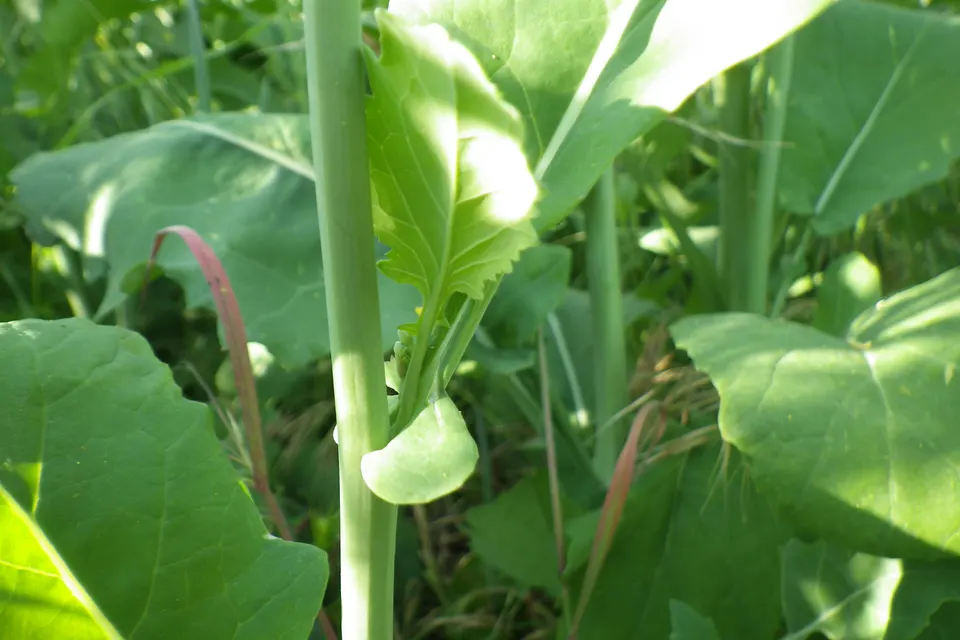
Turnips are an underused fast crop: direct-sown, no transplanting fuss, and ready to eat in under two months. They’re an easy way to fill a bed gap between slower-growing neighbors.
Sowing it into cool soil
Direct-sow turnip seed a few weeks before your last frost; it germinates in cool soil and doesn’t need the head start that slower crops do. At 9 plants per square foot and 50 days to maturity, a single sowing gives you a quick, dense harvest, good reason to succession-sow every few weeks if you want a steady supply instead of one big flush.
Woody roots and flea beetles
Woody or overly sharp-tasting roots almost always mean they sat in the ground too long. Turnips are best pulled small and eaten young rather than left to bulk up. Like other fast brassicas, they’re prone to flea beetle damage on young leaves; row cover at seeding time heads this off before it starts.
A short-season gap filler
Turnips pair well with peas, which fix nitrogen that benefits neighboring root crops. See the full companion guide for turnip. Their short season and high density make them a good “gap filler” in the Garden Designer: sow them into a square that a spring crop just vacated, and they’ll be done before whatever comes next needs the space.
Companion planting guide for Turnip · Find your planting dates
Typically viable in USDA zones 2-9. Not sure your zone? Look it up by ZIP code.
Mature height: 1-1.5 ft
Method: Direct sow: Direct-sow outside. It doesn't transplant well, or doesn't need the extra time indoors.
When to plant turnip, by zone
Every zone turnip grows in. Pick your zone in the header and it will be highlighted here. Each zone links to its full page.
| Zone | Start indoors | Sow or plant out | Harvest |
|---|---|---|---|
| 2a & 2bSpring window | Not usually | Apr 29–May 6 | Jun 18–Jun 25 |
| Fall window | Not usually | Jun 29–Jul 13 | Aug 18–Sep 1 |
| 3a & 3bSpring window | Not usually | May 9–May 16 | Jun 28–Jul 5 |
| Fall window | Not usually | Jul 3–Jul 17 | Aug 22–Sep 5 |
| 4a & 4bSpring window | Not usually | Apr 24–May 1 | Jun 13–Jun 20 |
| Fall window | Not usually | Jul 18–Aug 1 | Sep 6–Sep 20 |
| 5a & 5bSpring window | Not usually | Apr 19–Apr 26 | Jun 8–Jun 15 |
| Fall window | Not usually | Aug 2–Aug 16 | Sep 21–Oct 5 |
| 6a & 6bSpring window | Not usually | Apr 4–Apr 11 | May 24–May 31 |
| Fall window | Not usually | Aug 12–Aug 26 | Oct 1–Oct 15 |
| 7a & 7bSpring window | Not usually | Mar 20–Mar 27 | May 9–May 16 |
| Fall window | Not usually | Aug 22–Sep 5 | Oct 11–Oct 25 |
| 8a & 8bSpring window | Not usually | Mar 4–Mar 11 | Apr 23–Apr 30 |
| Fall window | Not usually | Sep 7–Sep 21 | Oct 27–Nov 10 |
| 9a & 9bSpring window | Not usually | Jan 25–Feb 1 | Mar 16–Mar 23 |
| Fall window | Not usually | Oct 2–Oct 16 | Nov 21–Dec 5 |
Harvest dates are about 50 days after the sow or plant-out date.
Zone 2 sows before zone 3 here, which looks wrong and is not. USDA zones rank winter cold, not season length, and zone 2 is mostly interior Alaska, where hard winters come with warm summers. More on what a zone measures.
See exact start-indoors, direct-sow, and harvest dates for your zone →
How many Turnip plants fit per square foot?
Spacing: 9 per square foot (square-foot-gardening spacing). Mature height: 1-1.5 ft.
Soil & water: pH 6-6.5. Needs well-drained soil. Amend with lime if soil pH falls below 6.
Good companions for turnip
- Pea: Peas fix nitrogen that benefits neighboring root crops.
Full companion guide, including what to keep away from turnip →
Varieties worth considering
- Hakurei: Cornell's Vegetable Varieties for Gardeners database describes it as a white, flat-to-round hybrid best harvested small (up to 2 inches) at around 38 days, noticeably faster and more tender than standard storage turnips. (source) Buy seeds: True Leaf Market
- Purple Top White Globe: On Clemson Extension's list of recommended turnips as a dual-purpose variety, grown for both the root and the greens. It's the familiar purple-topped turnip with a white bottom. (source) Buy seeds: Botanical Interests · True Leaf Market · Burpee · High Mowing Organic Seeds
- Scarlet Queen (F1): A salad turnip like Hakurei but with scarlet skin over white flesh, sold explicitly for eating raw and young; Johnny's rates young radish-sized roots ready in about 30 days. Pairs with Hakurei in a bunch for the color contrast if you're growing for a market stand or just want the bed to look good. (source)
Why each variety is listed comes from the source shown next to it. We haven't grown these ourselves yet, so treat this as a research-backed starting point, not a personal endorsement. The buy links are separate from those sources: they go to seed suppliers that sell that exact variety, and we may earn a commission on some of them.
Where to buy turnip seeds
Botanical Interests · True Leaf Market · Burpee · High Mowing Organic Seeds (each supplier's turnip seeds)
The varieties we recommend above each have their own buy links, for the suppliers that sell that exact variety.
As an Amazon Associate we earn from qualifying purchases. Some links on this page also go to other retailers we may earn a commission from as an affiliate, at no extra cost to you. We only recommend products with a clear consensus of positive, independent reviews, or ones we bought and use ourselves. Each item on our gear page says which.
See it growing
Search YouTube for "growing turnip" videos → (a live search, not a hand-picked video; results vary and aren't vetted by us)

Pin this for later
Growing Turnip: One of the fastest root crops you can grow, direct-sown and ready in under two months, from quick-eating Hakurei to storage varieties.
Save to Pinterest