Growing Summer Squash (Yellow): A Complete Profile
By Growing Home Greens Team · July 29, 2026
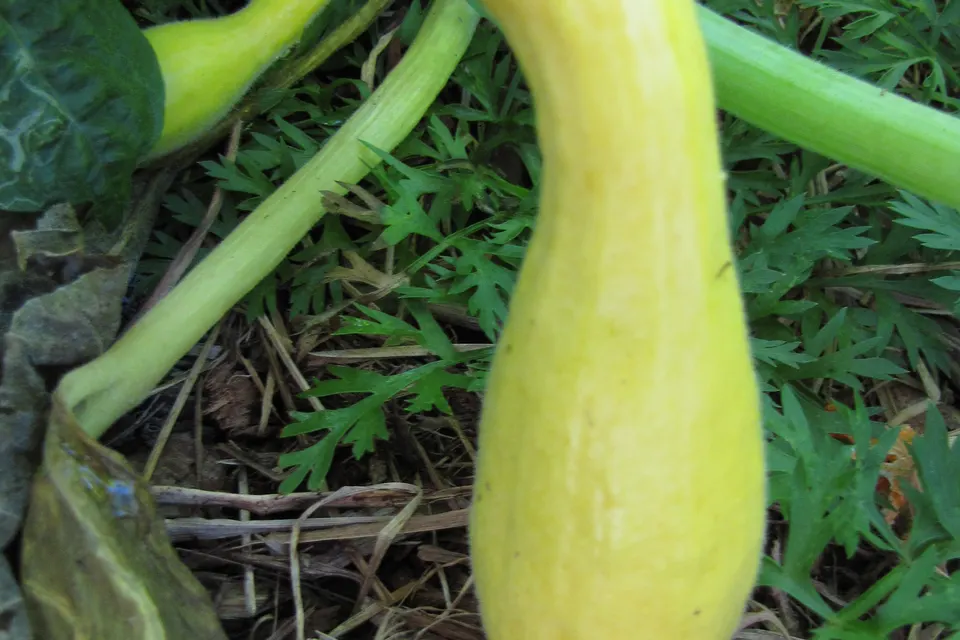
Summer squash (yellow squash) is one of the fastest, most reliably prolific vegetables in a home garden, a single healthy plant can produce more than most households can keep up with once it gets going.
Starting it either way, and giving it room
Summer squash is flexible on start method: start indoors about 3 weeks before your last frost, or direct-sow about a week after it, a half inch to an inch deep. Expect about 55 days to first harvest, though its modest footprint on paper undersells how much room the vines need once they spread; plant it at a bed’s edge or corner so it can sprawl outward without shading out shorter neighbors.
The borer that mimics a watering problem
Squash vine borer is the most serious pest, a moth larva that tunnels into the base of the stem, causing sudden wilting that looks like a watering problem but isn’t. Once a plant’s stem is bored into, there’s little to do beyond removing and destroying it; prevention (a row cover until flowering, or interplanted radish, which is reputed to deter the pest) matters more than treatment after the fact. Powdery mildew shows up on leaves late in the season in most climates and is more cosmetic than fatal once the plant has already produced well.
Keep it away from the zucchini
Nasturtium planted nearby acts as a trap crop, drawing aphids away from the squash, and interplanted radish is reputed to help deter squash vine borer. See the full companion guide for summer squash. Keep it away from zucchini specifically: crowding same-family squash varieties together increases powdery mildew spread, and if you’re saving seed, the two will cross-pollinate. Plan its sprawl into a bed corner in the Garden Designer rather than the middle of a shared square-foot grid.
Companion planting guide for Summer Squash (Yellow) · Find your planting dates
Typically viable in USDA zones 3-11. Not sure your zone? Look it up by ZIP code.
Mature height: 2-3 ft
Method: Either: Start indoors for an earlier harvest, or direct-sow outside for less fuss. Either works.
When to plant summer squash (yellow), by zone
Every zone summer squash (yellow) grows in. Pick your zone in the header and it will be highlighted here. Each zone links to its full page.
| Zone | Start indoors | Sow or plant out | Harvest |
|---|---|---|---|
| 3a & 3b | May 9–May 16 | Jun 6–Jun 13 | Jul 31–Aug 7 |
| 4a & 4b | Apr 24–May 1 | May 22–May 29 | Jul 16–Jul 23 |
| 5a & 5b | Apr 19–Apr 26 | May 17–May 24 | Jul 11–Jul 18 |
| 6a & 6b | Apr 4–Apr 11 | May 2–May 9 | Jun 26–Jul 3 |
| 7a & 7b | Mar 20–Mar 27 | Apr 17–Apr 24 | Jun 11–Jun 18 |
| 8a & 8b | Mar 4–Mar 11 | Apr 1–Apr 8 | May 26–Jun 2 |
| 9a & 9b | Jan 25–Feb 1 | Feb 22–Mar 1 | Apr 18–Apr 25 |
| 10a & 10bSpring window | Jan–Feb | Feb–Mar | ~55 days after transplanting |
| Summer window | Jul–Aug | Aug–Sep | ~55 days after transplanting |
| 11a & 11bSummer window | Not usually | Aug–Mar | ~55 days after planting |
Harvest dates are about 55 days after the sow or plant-out date, not after starting seeds indoors.
See exact start-indoors, direct-sow, and harvest dates for your zone →
How many Summer Squash (Yellow) plants fit per square foot?
Spacing: 1 per square foot (square-foot-gardening spacing). Mature height: 2-3 ft.
Soil & water: pH 6-6.5. Needs well-drained soil. Amend with lime if soil pH falls below 6.
Good companions for summer squash (yellow)
- Nasturtium: An Iowa State study found nasturtium and marigold both reduced squash bug and cucumber beetle damage, drawing the pests onto themselves as a trap crop instead of the squash.
- Radish: Interplanted radish is reputed to deter squash vine borer, though the documented trap-crop research for that pest points to Blue Hubbard squash specifically, not radish: treat this pairing as garden tradition, not measured evidence.
Full companion guide, including what to keep away from summer squash (yellow) →
Varieties worth considering
- Early Prolific Straightneck: Listed among Clemson Cooperative Extension's recommended yellow straightneck cultivars for home gardens, a classic, widely available straightneck with heavy, continuous yields. (source) Buy seeds: Botanical Interests · True Leaf Market · Burpee
- Multipik: Also on Clemson's straightneck list, bred with a 'precocious yellow gene' for prolific fruit set. That heavy set can shrink fruit size in cool weather, worth knowing before you plant it expecting Early Prolific's typical size. (source)
- Dixie: Clemson's pick among yellow crookneck types, rather than straightneck, an early, high-yielding hybrid. The crookneck shape is a different look on the plate if straightneck has gotten repetitive. (source)
Why each variety is listed comes from the source shown next to it. We haven't grown these ourselves yet, so treat this as a research-backed starting point, not a personal endorsement. The buy links are separate from those sources: they go to seed suppliers that sell that exact variety, and we may earn a commission on some of them.
Where to buy summer squash seeds
Botanical Interests · True Leaf Market · Burpee · High Mowing Organic Seeds (each supplier's summer squash seeds)
The varieties we recommend above each have their own buy links, for the suppliers that sell that exact variety.
As an Amazon Associate we earn from qualifying purchases. Some links on this page also go to other retailers we may earn a commission from as an affiliate, at no extra cost to you. We only recommend products with a clear consensus of positive, independent reviews, or ones we bought and use ourselves. Each item on our gear page says which.
See it growing
Search YouTube for "growing summer squash (yellow)" videos → (a live search, not a hand-picked video; results vary and aren't vetted by us)

Pin this for later
Growing Summer Squash (Yellow): A fast, prolific producer that needs plenty of room to sprawl, and a spot away from zucchini if you're planning to save seed.
Save to Pinterest