Growing Shiso (Perilla): A Complete Profile
By Growing Home Greens Team · July 25, 2026
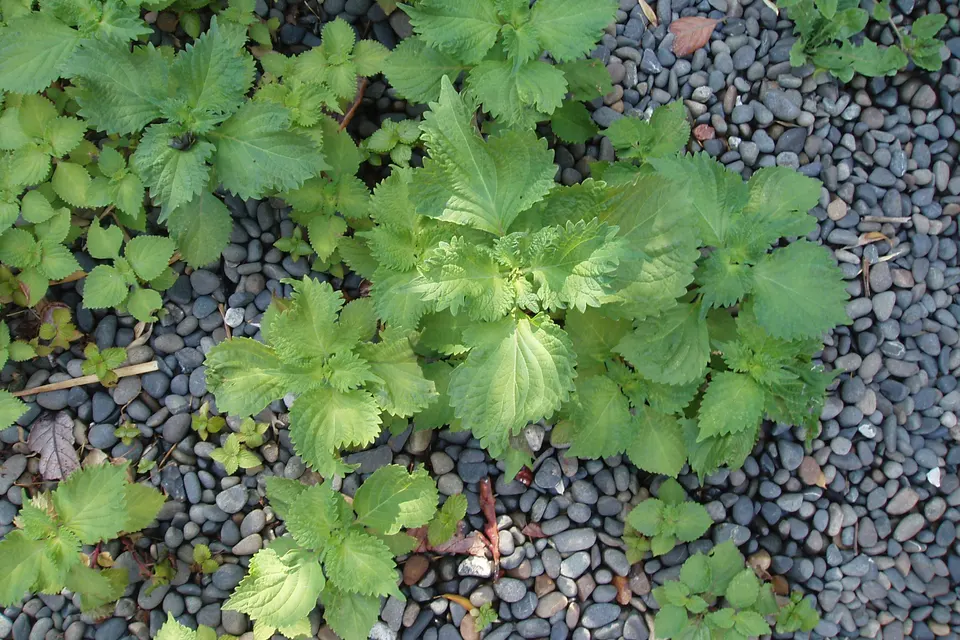
Shiso is one of the best arguments for growing your own. It’s cheap and easy from seed, it’s almost impossible to buy fresh outside a Japanese or Korean grocer, and it goes limp within a day of picking, so the shop-bought version is never as good as the one you walked outside for.
The flavour is hard to describe: somewhere between mint and basil, with anise and something almost citrus behind it. It’s a member of the mint family, which explains both the flavour and the behaviour.
Read this before you plant it
Shiso self-seeds prolifically, and NC State’s Extension Gardener Plant Toolbox lists it as invasive in North Carolina, Virginia, West Virginia, Tennessee and Kentucky. The seed is wind-dispersed and the plant is heat- and drought-tolerant, which is a combination that escapes gardens easily.
That doesn’t mean don’t grow it. It means grow it deliberately: cut the flower spikes off before they set seed, and don’t let a plant stand through autumn because it looked nice. In those five states in particular, treat it as a herb you harvest and remove, not one you let go to seed for next year.
Also worth knowing: it’s toxic to cattle. Irrelevant in most gardens, relevant if you have land.
Getting it going
Seed needs light to germinate, so press it onto the surface and barely cover it, if at all. Germination improves noticeably if you chill the seed first (a spell in the freezer before sowing is the standard trick), and an eight to twelve hour soak helps too.
Direct-sow about a week after your last frost, once the soil has warmed, or start indoors and transplant once nights stay above 45°F. Around 80-85 days to a usable harvest.
It grows one to three feet tall and about a foot wide, in full sun to part shade, and it is not fussy about soil. Heat doesn’t bother it, which makes it useful in a midsummer bed where the basil is sulking.
Keeping it productive
Pinch the growing tips regularly, exactly as you would with basil. This does two jobs at once: it makes the plant bushier and more productive, and it delays flowering, which is what you want anyway for the reasons above.
Once shiso flowers the leaves toughen and the flavour drops off. The flower spikes themselves are edible and used as a garnish in Japan, so there’s a use for what you cut.
Where to put it
Same conditions as basil, so the two are natural bed-mates: warm soil, sun, steady moisture. Give it a spot where you’ll see it often enough to keep pinching, because an unwatched shiso is a shiso that has already set seed.
Sources: Perilla frutescens, NC State Extension Gardener Plant Toolbox; Shiso, Johnny’s Selected Seeds.
Companion planting guide for Shiso (Perilla) · Find your planting dates
Typically viable in USDA zones 3-11. Not sure your zone? Look it up by ZIP code.
Mature height: 1-3 ft
Method: Direct sow: Direct-sow outside. It doesn't transplant well, or doesn't need the extra time indoors.
When to plant shiso (perilla), by zone
Every zone shiso (perilla) grows in. Pick your zone in the header and it will be highlighted here. Each zone links to its full page.
| Zone | Start indoors | Sow or plant out | Harvest |
|---|---|---|---|
| 3a & 3b | Not usually | Jun 6–Jun 13 | Aug 27–Sep 3 |
| 4a & 4b | Not usually | May 22–May 29 | Aug 12–Aug 19 |
| 5a & 5b | Not usually | May 17–May 24 | Aug 7–Aug 14 |
| 6a & 6b | Not usually | May 2–May 9 | Jul 23–Jul 30 |
| 7a & 7b | Not usually | Apr 17–Apr 24 | Jul 8–Jul 15 |
| 8a & 8b | Not usually | Apr 1–Apr 8 | Jun 22–Jun 29 |
| 9a & 9b | Not usually | Feb 22–Mar 1 | May 15–May 22 |
| 10a & 10b | Not usually | Feb 6–Feb 13 | Apr 29–May 6 |
| 11a & 11b | Not usually | Jan 8–Jan 15 | Mar 31–Apr 7 |
Harvest dates are about 82 days after the sow or plant-out date.
See exact start-indoors, direct-sow, and harvest dates for your zone →
How many Shiso (Perilla) plants fit per square foot?
Spacing: 4 per square foot (square-foot-gardening spacing). Mature height: 1-3 ft.
Varieties worth considering
- Green shiso (aojiso): The one to grow if you're eating it fresh. Bright, between mint and basil with an anise edge. This is the leaf served whole under sashimi, wrapped around rice, or shredded into cold noodles. (source) Buy seeds: True Leaf Market
- Red shiso (akajiso): More bitter and more astringent than green, and mostly used cooked or pickled rather than raw. It's what turns umeboshi plums and pickled ginger pink, and the colour is a genuine dye, not a garnish. (source) Buy seeds: True Leaf Market
- Ruffled types (chirimen-jiso): Frilled, crinkled leaves in both colours. Grown as much for looks as flavour, and the texture holds up better in a salad than the flat forms. (source)
Why each variety is listed comes from the source shown next to it. We haven't grown these ourselves yet, so treat this as a research-backed starting point, not a personal endorsement. The buy links are separate from those sources: they go to seed suppliers that sell that exact variety, and we may earn a commission on some of them.
Where to buy shiso seeds
True Leaf Market · High Mowing Organic Seeds (each supplier's shiso seeds)
The varieties we recommend above each have their own buy links, for the suppliers that sell that exact variety.
As an Amazon Associate we earn from qualifying purchases. Some links on this page also go to other retailers we may earn a commission from as an affiliate, at no extra cost to you. We only recommend products with a clear consensus of positive, independent reviews, or ones we bought and use ourselves. Each item on our gear page says which.
See it growing
Search YouTube for "growing shiso (perilla)" videos → (a live search, not a hand-picked video; results vary and aren't vetted by us)
%3A%20Shiso%20is%20easy%20to%20grow%2C%20hard%20to%20buy%2C%20and%20invasive%20in%20five%20US%20states.%20Green%20versus%20red%2C%20how%20to%20germinate%20it%2C%20and%20why%20you%20must%20deadhead%20it.)
Pin this for later
Growing Shiso (Perilla): Shiso is easy to grow, hard to buy, and invasive in five US states. Green versus red, how to germinate it, and why you must deadhead it.
Save to Pinterest