Growing Rosemary: A Complete Profile
By Growing Home Greens Team · July 18, 2026
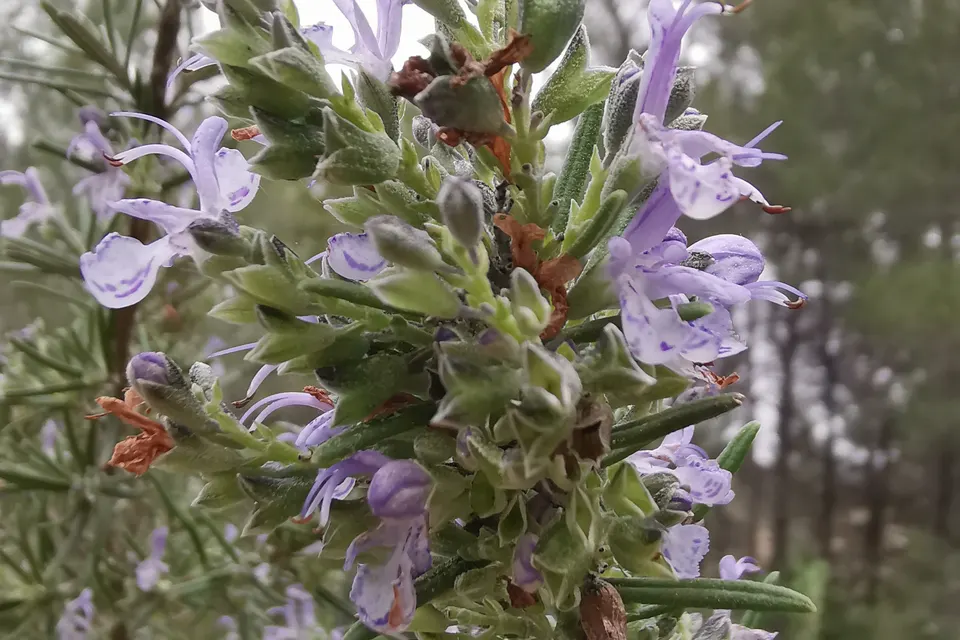
Rosemary is a woody Mediterranean shrub, not a tender annual herb. Treat it more like a small perennial landscape plant than something you replant every spring. In the right climate, one plant can keep producing for years.
Slow to germinate, which is why most start from a cutting
Rosemary is perennial in zones 4-11, though what that means varies a lot by zone: in milder climates it grows into a substantial woody shrub that survives winter outdoors, while in colder zones it needs either a sheltered spot, heavy winter mulch, or bringing indoors as a container plant to survive the cold months. Start seed indoors around 10 weeks before your last frost. Germination is slow and can be uneven, which is why many gardeners start rosemary from a nursery cutting instead. Established plants prefer to dry out between waterings; rosemary is far more likely to suffer from overwatering than drought.
Yellowing needles mean drainage, not nutrients
Yellowing or dropping needles are usually a drainage problem, not a nutrient one. Rosemary in heavy, wet soil struggles even when everything else about its care is right. In colder zones, winterkill is the most common way gardeners lose an otherwise-healthy plant; a hardier cultivar and a wind-sheltered spot both help.
A permanent neighbor for the brassicas
Rosemary’s scent is a documented deterrent for cabbage moths, making it a useful neighbor for brassicas. See the full companion guide for rosemary. Because it’s a long-lived perennial rather than a seasonal crop, give it a permanent spot in the Garden Designer, at 1 plant per square foot it doesn’t need much room, but it shouldn’t be planned around like an annual that rotates out each year.
Companion planting guide for Rosemary · Find your planting dates
Typically viable in USDA zones 4-11. Not sure your zone? Look it up by ZIP code.
Mature height: 2-4 ft
Method: Start indoors: Start indoors from seed, then transplant outside. It needs a head start most zones can't give it by direct-sowing alone.
When to plant rosemary, by zone
Every zone rosemary grows in. Pick your zone in the header and it will be highlighted here. Each zone links to its full page.
| Zone | Start indoors | Sow or plant out | Harvest |
|---|---|---|---|
| 4a & 4b | Mar 6–Mar 13 | May 29–Jun 5 | Aug 27–Sep 3 |
| 5a & 5b | Mar 1–Mar 8 | May 24–May 31 | Aug 22–Aug 29 |
| 6a & 6b | Feb 14–Feb 21 | May 9–May 16 | Aug 7–Aug 14 |
| 7a & 7b | Jan 30–Feb 6 | Apr 24–May 1 | Jul 23–Jul 30 |
| 8a & 8b | Jan 14–Jan 21 | Apr 8–Apr 15 | Jul 7–Jul 14 |
| 9a & 9b | Dec 7–Dec 14 | Mar 1–Mar 8 | May 30–Jun 6 |
| 10a & 10bSpring window | Not usually | Feb–Apr | ~90 days after transplanting |
| Fall window | Not usually | Oct–Nov | ~90 days after transplanting |
| 11a & 11b | Oct 23–Oct 30 | Jan 15–Jan 22 | Apr 15–Apr 22 |
Harvest dates are about 90 days after the sow or plant-out date, not after starting seeds indoors.
See exact start-indoors, direct-sow, and harvest dates for your zone →
How many Rosemary plants fit per square foot?
Spacing: 1 per square foot (square-foot-gardening spacing). Mature height: 2-4 ft.
Good companions for rosemary
- Cabbage: Rosemary's scent is reputed to deter cabbage moths, the same role thyme and sage play, though rosemary itself hasn't been specifically tested the way thyme and sage have: treat this as garden tradition rather than a directly measured result.
Full companion guide, including what to keep away from rosemary →
Varieties worth considering
- 'Arp': NC State Extension's Plant Toolbox lists 'Arp' among rosemary cultivars as the hardiest, with bright blue flowers and growth up to 4 feet, the variety to look for if you're pushing rosemary's cold limits outdoors. (source)
- 'Tuscan Blue': NC State lists deep blue-violet flowers, reddish stems and fast growth on this cultivar, introduced from Tuscany before 1948. Less cold-hardy than Arp, so treat it as the pick for a mild-winter garden rather than one pushing zone limits. (source)
- 'Salem': A smaller, upright cultivar NC State lists at 24-36 inches with pale blue flowers, more compact than Tuscan Blue's rangier habit. A better fit for a square-foot bed than a cultivar bred to sprawl into a 4-7 foot shrub. (source)
- Trailing rosemary (Prostratus Group) (best for: groundcover, containers): Gardening Know How describes arching stems reaching 3 feet tall but spreading 4-8 feet wide, a groundcover habit unlike Arp, Tuscan Blue or Salem's upright shrub forms. Still culinary-grade leaves, but grown for spilling over a wall or container edge rather than as a kitchen hedge, and hardy only to zone 8. (source)
Why each variety is listed comes from the source shown next to it. We haven't grown these ourselves yet, so treat this as a research-backed starting point, not a personal endorsement. The buy links are separate from those sources: they go to seed suppliers that sell that exact variety, and we may earn a commission on some of them.
Where to buy rosemary seeds
Botanical Interests · True Leaf Market · Burpee · High Mowing Organic Seeds (each supplier's rosemary seeds)
As an Amazon Associate we earn from qualifying purchases. Some links on this page also go to other retailers we may earn a commission from as an affiliate, at no extra cost to you. We only recommend products with a clear consensus of positive, independent reviews, or ones we bought and use ourselves. Each item on our gear page says which.
See it growing
Search YouTube for "growing rosemary" videos → (a live search, not a hand-picked video; results vary and aren't vetted by us)

Pin this for later
Growing Rosemary: A woody Mediterranean perennial that comes back year after year in mild climates but needs winter protection or containers everywhere colder.
Save to Pinterest