Growing Rhubarb: A Complete Profile
By Growing Home Greens Team · July 29, 2026
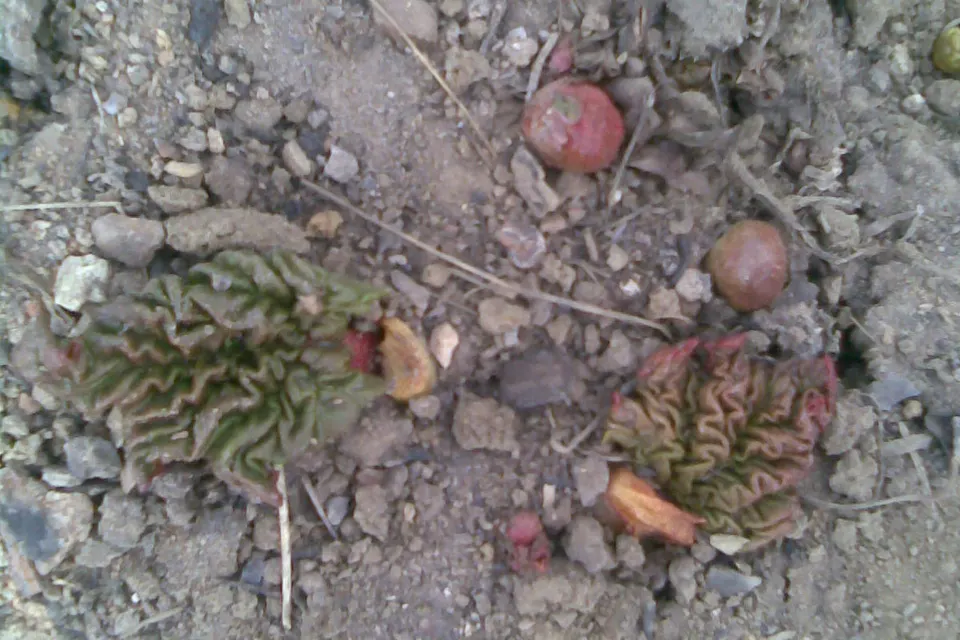
Rhubarb is a perennial vegetable, though it’s used like a fruit in the kitchen, and it’s one of the more patient long-term investments in a garden: the crown planted this spring won’t give a harvest for a few years, but a well-sited planting can then keep producing for a decade or more.
Planting a crown, not a seed
Rhubarb is planted from a crown, not seed: set it with the bud 1 to 2 inches below the soil surface, about 2 weeks before your last frost. It needs room despite its small footprint on paper, roughly one plant per 10 square feet. There’s no harvest in year one, a light harvest in year two, and full harvest from year three onward. Rhubarb needs sustained winter chill to thrive and doesn’t perform well in hot, mild-winter climates. It’s not a good fit for the low desert or similar year-round-warm regions.
The leaves are toxic, the stalks aren’t
Only the stalks are edible, the leaves are toxic and should never be eaten, though they’re safe to compost. Thin, weak stalks in an established planting usually mean the crown needs dividing; rhubarb crowns get congested every several years and benefit from being split and replanted with fresh spacing.
A decade-long commitment, not a rotation
Rhubarb pairs traditionally with cabbage, making good use of the space around its large leaves, and with onion, which is traditionally planted nearby without competing for space. See the full companion guide for rhubarb. As a long-lived perennial, give it a permanent spot in the Garden Designer rather than planning to rotate anything else through that square.
Sources: Rhubarb, Rheum rhabarbarum, Wisconsin Horticulture (University of Wisconsin-Madison Extension).
Companion planting guide for Rhubarb · Find your planting dates
Typically viable in USDA zones 3-8. Not sure your zone? Look it up by ZIP code.
Mature height: 2-3 ft
Method: Direct sow: Direct-sow outside. It doesn't transplant well, or doesn't need the extra time indoors.
When to plant rhubarb, by zone
Every zone rhubarb grows in. Pick your zone in the header and it will be highlighted here. Each zone links to its full page.
| Zone | Start indoors | Sow or plant out | Harvest |
|---|---|---|---|
| 3a & 3b | Not usually | May 16–May 23 | First real harvest in year 3 |
| 4a & 4b | Not usually | May 1–May 8 | First real harvest in year 3 |
| 5a & 5b | Not usually | Apr 26–May 3 | First real harvest in year 3 |
| 6a & 6b | Not usually | Apr 11–Apr 18 | First real harvest in year 3 |
| 7a & 7b | Not usually | Mar 27–Apr 3 | First real harvest in year 3 |
| 8a & 8b | Not usually | Mar 11–Mar 18 | First real harvest in year 3 |
See exact start-indoors, direct-sow, and harvest dates for your zone →
How many Rhubarb plants fit per square foot?
Spacing: about 10 square feet per plant (square-foot-gardening spacing). Mature height: 2-3 ft.
Soil & water: pH 5.5-6.5. Needs well-drained soil. Amend with lime if soil pH falls below 5.5.
Good companions for rhubarb
- Cabbage: Traditional companion pairing that makes good use of the space around rhubarb's large leaves.
- Onion: Alliums planted nearby are traditionally paired with rhubarb without competing for space.
Full companion guide, including what to keep away from rhubarb →
Varieties worth considering
- Valentine (Rheum rhabarbarum): University of Wisconsin horticulturists point out that red stalk color and sweetness aren't linked, so plenty of red-stalked rhubarb still cooks down to a dull brownish green. Valentine is the one they call out as keeping a good rosy color once cooked, which is the trait that matters if you're making it into something you'll want to look at, like a pie filling or a jar of jam. (source)
- 'Victoria': Wisconsin Extension describes this as a speckled type, medium stalks with light green color developing pink speckling toward the base, a visually different look from Valentine's solid color rather than a color that necessarily cooks better. (source) Buy seeds: True Leaf Market
- 'Canada Red': Also on Wisconsin's list: shorter, more slender stalks than most varieties, but tender, very sweet, and good red color, with few seed stalks. Worth it specifically if bolting to seed has been a recurring nuisance with other varieties. (source)
Why each variety is listed comes from the source shown next to it. We haven't grown these ourselves yet, so treat this as a research-backed starting point, not a personal endorsement. The buy links are separate from those sources: they go to seed suppliers that sell that exact variety, and we may earn a commission on some of them.
Where to buy rhubarb seeds
True Leaf Market (each supplier's rhubarb seeds)
The varieties we recommend above each have their own buy links, for the suppliers that sell that exact variety.
As an Amazon Associate we earn from qualifying purchases. Some links on this page also go to other retailers we may earn a commission from as an affiliate, at no extra cost to you. We only recommend products with a clear consensus of positive, independent reviews, or ones we bought and use ourselves. Each item on our gear page says which.
See it growing
Search YouTube for "growing rhubarb" videos → (a live search, not a hand-picked video; results vary and aren't vetted by us)

Pin this for later
Growing Rhubarb: A cold-climate perennial that needs sustained winter cold to thrive, and only the stalks are safe to eat.
Save to Pinterest