Growing Okra: A Complete Profile
By Growing Home Greens Team · July 18, 2026
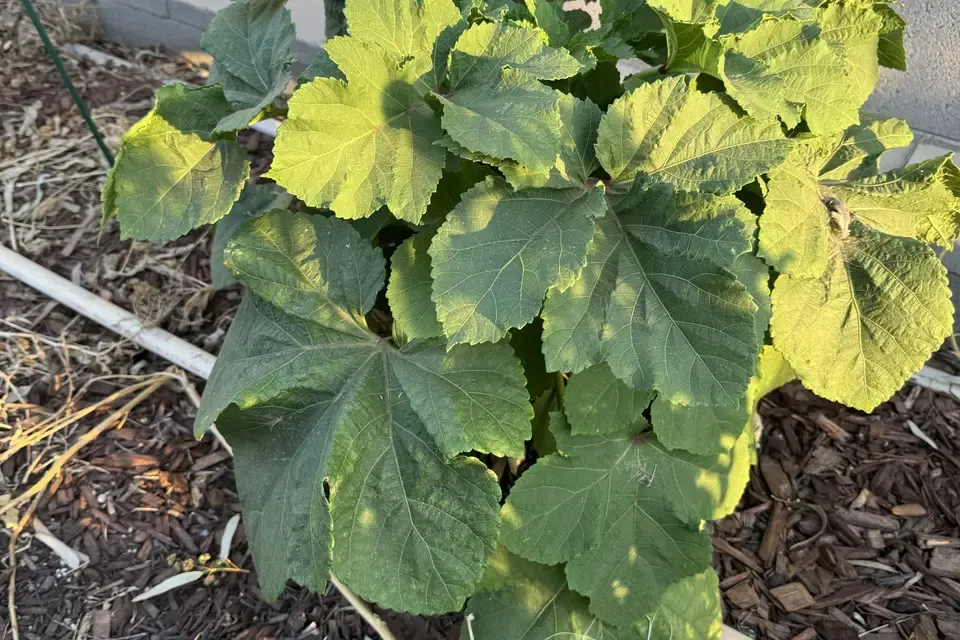
Okra thrives in exactly the conditions that shut down cooler-season crops: intense heat, and plenty of it. Where lettuce bolts and beans stall, okra keeps flowering and setting pods, making it one of the few reliable producers during the hottest weeks of summer.
Sowing it once the soil has warmed
Okra can be started indoors a few weeks before last frost or sown directly once the soil has warmed. Cold soil is the most common reason seed fails to germinate. Plants grow tall, often reaching 5–6 feet, so give it the north side of the bed so it doesn’t shade shorter neighbors. Pods grow fast once flowering starts and go from tender to woody within a couple of days, so check plants daily and harvest young, at just a few inches long.
Woody pods are a harvest-timing problem
Tough, fibrous pods are almost always a harvest-timing problem, not a growing problem. Okra left on the plant even a day or two too long turns woody and inedible. If you’ve already got some, see what to do with okra pods that got too big, which covers harvest timing, drying woody pods into powder, and saving seed. Slow or spotty germination usually traces back to soil that’s still too cool; okra is far less forgiving of cold soil than most warm-season crops.
Tall enough to need the north side
Okra shares heat and water needs with peppers, and basil planted nearby may help repel some of the aphids that target both. See the full companion guide for okra. Because it grows tall, the Garden Designer places it on a bed’s north side by default so it doesn’t cast shade over shorter crops.
Companion planting guide for Okra · Find your planting dates
Typically viable in USDA zones 6-11. Not sure your zone? Look it up by ZIP code.
Mature height: 5-6 ft
Method: Either: Start indoors for an earlier harvest, or direct-sow outside for less fuss. Either works.
When to plant okra, by zone
Every zone okra grows in. Pick your zone in the header and it will be highlighted here. Each zone links to its full page.
| Zone | Start indoors | Sow or plant out | Harvest |
|---|---|---|---|
| 6a & 6b | Mar 28–Apr 4 | May 9–May 16 | Jul 6–Jul 13 |
| 7a & 7b | Mar 13–Mar 20 | Apr 24–May 1 | Jun 21–Jun 28 |
| 8a & 8b | Feb 25–Mar 4 | Apr 8–Apr 15 | Jun 5–Jun 12 |
| 9a & 9b | Jan 18–Jan 25 | Mar 1–Mar 8 | Apr 28–May 5 |
| 10a & 10bSpring window | Feb–May | Mar–Jun | ~58 days after transplanting |
| 11a & 11bSummer window | Not usually | Aug–Oct | ~58 days after planting |
Harvest dates are about 58 days after the sow or plant-out date, not after starting seeds indoors.
See exact start-indoors, direct-sow, and harvest dates for your zone →
How many Okra plants fit per square foot?
Spacing: 1 per square foot (square-foot-gardening spacing). Mature height: 5-6 ft.
Good companions for okra
- Bell Pepper: Similar heat and water needs make them easy bed-mates.
- Basil: Reputed to repel aphids that also target okra, though this specific pairing hasn't been tested: the closest controlled trial found no pest-reduction benefit from basil on a related crop, so treat this as unproven garden tradition.
Full companion guide, including what to keep away from okra →
Varieties worth considering
- Clemson Spineless: Listed as a suggested home-garden variety by University of Georgia Extension, an open-pollinated, spineless standard with dark green pods, and the most widely available starting point for first-time okra growers. (source) Buy seeds: Burpee
- Jambalaya 2.0 (F1): Early and fast at about 50 days from transplant, with very uniform, dark green pods and productive enough to work well in a container, per Johnny's. The pick if Clemson Spineless has felt slow to get going for you. (source)
- Carmine Splendor (F1): A red okra, deep red pods fading to pink as they size up, at about 51 days. Purely a difference in color and a pink-tinted edible flower, not a growing-condition change, but it makes the plant easy to spot in a mixed bed and the pods easy to see against green foliage before they go woody. (source)
Why each variety is listed comes from the source shown next to it. We haven't grown these ourselves yet, so treat this as a research-backed starting point, not a personal endorsement. The buy links are separate from those sources: they go to seed suppliers that sell that exact variety, and we may earn a commission on some of them.
Where to buy okra seeds
Botanical Interests · Burpee · High Mowing Organic Seeds (each supplier's okra seeds)
The varieties we recommend above each have their own buy links, for the suppliers that sell that exact variety.
As an Amazon Associate we earn from qualifying purchases. Some links on this page also go to other retailers we may earn a commission from as an affiliate, at no extra cost to you. We only recommend products with a clear consensus of positive, independent reviews, or ones we bought and use ourselves. Each item on our gear page says which.
See it growing
Search YouTube for "growing okra" videos → (a live search, not a hand-picked video; results vary and aren't vetted by us)

Pin this for later
Growing Okra: A heat-loving Southern staple that keeps producing through summer weather that stalls out most other vegetables.
Save to Pinterest