Growing Eggplant: A Complete Profile
By Growing Home Greens Team · July 18, 2026
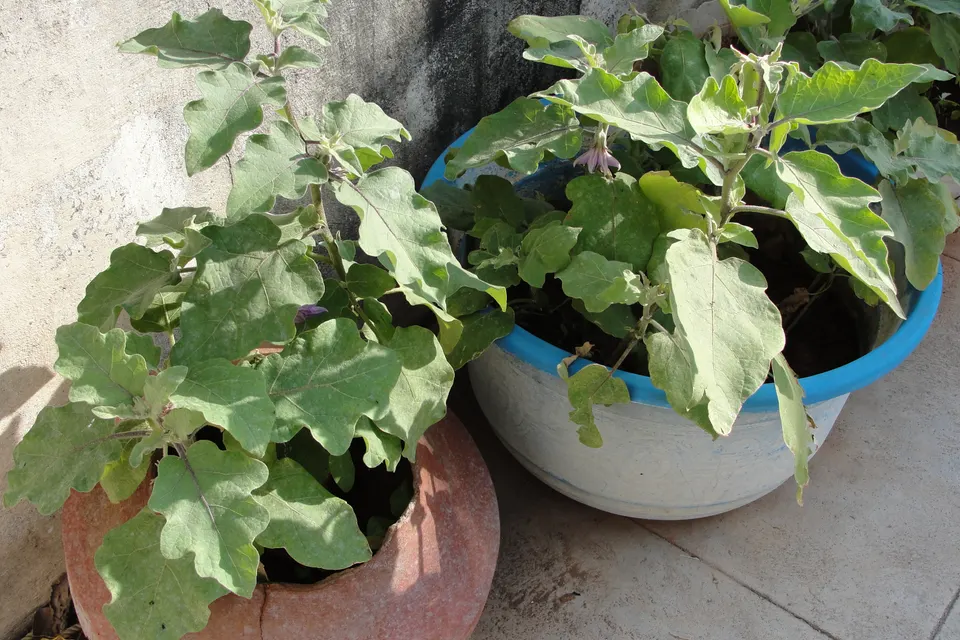
Eggplant is a slow, deliberate grower. It needs a longer head start indoors than tomatoes or peppers, and it won’t hurry once it’s in the ground either. The payoff is a long, steady harvest of glossy fruit through the hottest part of summer, once the plant finally gets going.
Starting it eight weeks early
Start seed indoors a full eight weeks before your last frost. Eggplant is slower to size up than other nightshades and needs that lead time to be transplant-ready when it’s warm enough to go outside. It’s a heavy feeder, so pairing it with nitrogen-fixing beans in the same bed gives it something to draw on besides fertilizer. Fruit set slows in extended heat waves above the mid-90s, so don’t panic if flowering pauses during the peak of summer. It typically picks back up as temperatures ease.
Flea beetles, and bitterness from a dry spell
Flea beetles are eggplant’s most persistent early-season pest, riddling young leaves with small shot-holes; seedlings can outgrow minor damage, but a heavy early infestation on small transplants can stall growth for weeks. Fruit that stays small or bitter is often a watering issue. Eggplant wants consistent moisture, and drought stress concentrates bitterness in the flesh.
A nightshade that beds well with peppers
Eggplant shares the same nightshade family and care routine as peppers, making them easy to bed together, while nearby beans help feed its heavy nitrogen appetite. See the full companion guide for eggplant. At one plant per square foot, the Garden Designer treats it like a standard interior crop rather than one that needs edge space.
Companion planting guide for Eggplant · Find your planting dates
Typically viable in USDA zones 4-11. Not sure your zone? Look it up by ZIP code.
Mature height: 2-3 ft
Method: Start indoors: Start indoors from seed, then transplant outside. It needs a head start most zones can't give it by direct-sowing alone.
When to plant eggplant, by zone
Every zone eggplant grows in. Pick your zone in the header and it will be highlighted here. Each zone links to its full page.
| Zone | Start indoors | Sow or plant out | Harvest |
|---|---|---|---|
| 4a & 4b | Mar 20–Mar 27 | May 29–Jun 5 | Aug 12–Aug 19 |
| 5a & 5b | Mar 15–Mar 22 | May 24–May 31 | Aug 7–Aug 14 |
| 6a & 6b | Feb 28–Mar 7 | May 9–May 16 | Jul 23–Jul 30 |
| 7a & 7b | Feb 13–Feb 20 | Apr 24–May 1 | Jul 8–Jul 15 |
| 8a & 8b | Jan 28–Feb 4 | Apr 8–Apr 15 | Jun 22–Jun 29 |
| 9a & 9b | Dec 21–Dec 28 | Mar 1–Mar 8 | May 15–May 22 |
| 10a & 10bSpring window | Dec–Feb | Mar–Apr | ~75 days after transplanting |
| Summer window | May–Jul | Jul–Sep | ~75 days after transplanting |
| 11a & 11bSummer window | Jun–Dec | Aug–Feb | ~75 days after transplanting |
Harvest dates are about 75 days after the sow or plant-out date, not after starting seeds indoors.
See exact start-indoors, direct-sow, and harvest dates for your zone →
How many Eggplant plants fit per square foot?
Spacing: 1 per square foot (square-foot-gardening spacing). Mature height: 2-3 ft.
Soil & water: pH 6-6.5. Needs well-drained soil. Amend with lime if soil pH falls below 6.
Good companions for eggplant
- Bush Beans: Beans fix nitrogen that heavy-feeding eggplant uses.
- Bell Pepper: Same nightshade family, same care routine, easy to bed together.
Full companion guide, including what to keep away from eggplant →
Varieties worth considering
- Cloud Nine: Listed among Iowa State University Extension's suggested eggplant varieties, a white-skinned cultivar with a milder flavor than standard purple types, a good option if you want to try something different from the classic Black Beauty shape. (source)
- Black Beauty: The classic Iowa State Extension names alongside Cloud Nine: oval, 6-7 inches long, purple-black. The shape and color most people picture when they hear "eggplant," and the safest default if you don't have a reason to pick something else. (source) Buy seeds: Botanical Interests · Burpee · High Mowing Organic Seeds
- Rosita: Also on Iowa State's list, a teardrop-shaped fruit in rose pink rather than purple-black, about 8 inches long. Worth growing for the color alone if a bed of identical dark purple fruit feels monotonous. (source)
Why each variety is listed comes from the source shown next to it. We haven't grown these ourselves yet, so treat this as a research-backed starting point, not a personal endorsement. The buy links are separate from those sources: they go to seed suppliers that sell that exact variety, and we may earn a commission on some of them.
Where to buy eggplant seeds
Botanical Interests · True Leaf Market · Burpee · High Mowing Organic Seeds (each supplier's eggplant seeds)
The varieties we recommend above each have their own buy links, for the suppliers that sell that exact variety.
As an Amazon Associate we earn from qualifying purchases. Some links on this page also go to other retailers we may earn a commission from as an affiliate, at no extra cost to you. We only recommend products with a clear consensus of positive, independent reviews, or ones we bought and use ourselves. Each item on our gear page says which.
See it growing
Search YouTube for "growing eggplant" videos → (a live search, not a hand-picked video; results vary and aren't vetted by us)

Pin this for later
Growing Eggplant: A slow-starting nightshade that rewards an early indoor start and steady heat with glossy, productive fruit all summer.
Save to Pinterest