Growing Edamame (Soybean): A Complete Profile
By Growing Home Greens Team · July 29, 2026
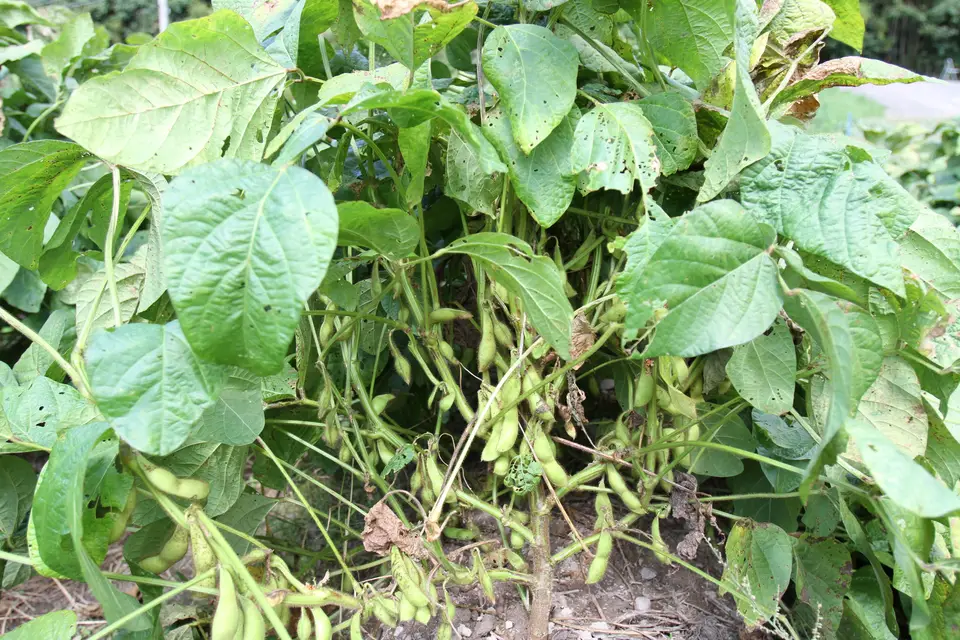
Edamame is a soybean harvested young, while the pods are still green and the beans inside are tender rather than dried and hard. It behaves like other legumes in the garden but has one important difference at the kitchen counter: unlike green beans, edamame pods need to be cooked before eating.
Direct-sowing only, no indoor start
Direct-sow only. Edamame doesn’t transplant well, so skip starting it indoors. Sow about a week after your last frost, 1 to 1.5 inches deep. Expect about 85 days to harvest, picking pods while they’re still bright green and full, before they yellow and dry out. ‘Envy’ is a reliable pick for shorter seasons since it’s one of the earliest-maturing varieties commonly available.
Flat pods mean pollination or watering, not disease
Pods that stay flat and never fill out are usually a pollination or watering issue rather than a disease. Consistent moisture during flowering and pod-fill matters more for edamame than for many other beans. Remember pods need cooking (typically a quick boil or steam) before eating; treating them like raw-edible green beans is a mistake worth avoiding.
A nitrogen source for a heavy-feeding neighbor
Edamame planted near corn is a classic legume/grain pairing, the soybean fixes nitrogen that heavy-feeding corn uses. The relationship runs the other way with onion and garlic: alliums inhibit the nitrogen-fixing bacteria on legume roots, the same conflict as with other beans, so keep it away from either. See the full companion guide for edamame. It fills a bed efficiently in the Garden Designer alongside a nitrogen-hungry neighbor like corn.
Sources: What is Edamame and Should I Grow It?, Utah State University Extension.
Companion planting guide for Edamame (Soybean) · Find your planting dates
Typically viable in USDA zones 3-10. Not sure your zone? Look it up by ZIP code.
Mature height: 2-3 ft
Method: Direct sow: Direct-sow outside. It doesn't transplant well, or doesn't need the extra time indoors.
When to plant edamame (soybean), by zone
Every zone edamame (soybean) grows in. Pick your zone in the header and it will be highlighted here. Each zone links to its full page.
| Zone | Start indoors | Sow or plant out | Harvest |
|---|---|---|---|
| 3a & 3b | Not usually | Jun 6–Jun 13 | Aug 30–Sep 6 |
| 4a & 4b | Not usually | May 22–May 29 | Aug 15–Aug 22 |
| 5a & 5b | Not usually | May 17–May 24 | Aug 10–Aug 17 |
| 6a & 6b | Not usually | May 2–May 9 | Jul 26–Aug 2 |
| 7a & 7b | Not usually | Apr 17–Apr 24 | Jul 11–Jul 18 |
| 8a & 8b | Not usually | Apr 1–Apr 8 | Jun 25–Jul 2 |
| 9a & 9b | Not usually | Feb 22–Mar 1 | May 18–May 25 |
| 10a & 10bSpring window | Not usually | Mar–Apr | ~85 days after direct-sowing |
| Summer window | Not usually | Aug–Sep | ~85 days after direct-sowing |
Harvest dates are about 85 days after the sow or plant-out date.
See exact start-indoors, direct-sow, and harvest dates for your zone →
How many Edamame (Soybean) plants fit per square foot?
Spacing: 4 per square foot (square-foot-gardening spacing). Mature height: 2-3 ft.
Good companions for edamame (soybean)
- Sweet Corn: Classic legume/grain pairing. Soybean fixes nitrogen that heavy-feeding corn uses.
Full companion guide, including what to keep away from edamame (soybean) →
Varieties worth considering
- 'Envy': Utah State Extension ranks it among the earliest-ripening edamame varieties gardeners commonly grow, ahead of bigger-podded types like Midori Giant. A short-season variety matters more for edamame than for snap beans, since the whole plant ripens at once rather than producing over weeks, so an early-maturing pick gets you a full harvest before fall weather turns against pod fill. (source)
- 'Early Hakucho': Utah State Extension lists this earlier in its ripening-order list than Envy, making it the fastest option among the varieties the school names for home gardens. Worth trying if even Envy's season felt tight. (source)
- 'Midori Giant': Also on Utah State's list, later-ripening than Envy with larger pods, per the school's own ordering. The tradeoff for the bigger harvest is a longer season, so plant it only if your frost-free window has the room. (source)
Why each variety is listed comes from the source shown next to it. We haven't grown these ourselves yet, so treat this as a research-backed starting point, not a personal endorsement. The buy links are separate from those sources: they go to seed suppliers that sell that exact variety, and we may earn a commission on some of them.
Where to buy edamame seeds
None of the seed suppliers we list carries edamame seeds right now. A local garden center or a specialty seed house is the place to look.
As an Amazon Associate we earn from qualifying purchases. Some links on this page also go to other retailers we may earn a commission from as an affiliate, at no extra cost to you. We only recommend products with a clear consensus of positive, independent reviews, or ones we bought and use ourselves. Each item on our gear page says which.
See it growing
Search YouTube for "growing edamame (soybean)" videos → (a live search, not a hand-picked video; results vary and aren't vetted by us)

Pin this for later
Growing Edamame (Soybean): A soybean grown to eat at the immature, green-pod stage: direct-sown only, and never eaten raw.
Save to Pinterest