Growing Calendula: A Complete Profile
By Growing Home Greens Team · July 18, 2026
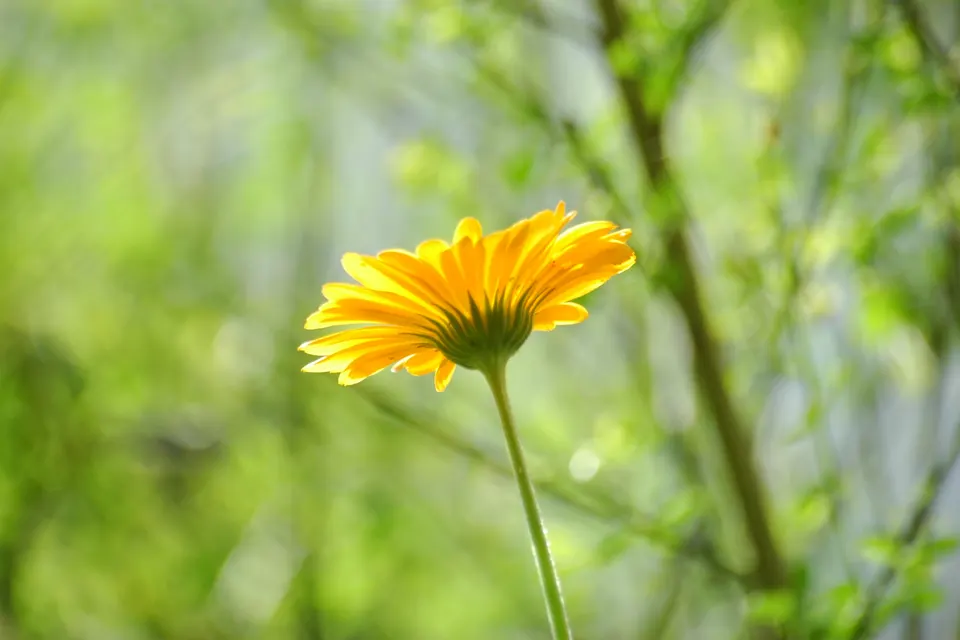
Calendula is one of the earliest things you can get in the ground. It tolerates a light frost and is often started before most of the garden is even planted, and it earns its keep once established, commonly reported to draw in the predatory insects that prey on tomato hornworms. What you get for the trouble is a low, 12- to 18-inch mound covered in simple daisy-like blooms in orange or yellow.
Getting it in the ground before anything else
Calendula can be started indoors 7 weeks before last frost or direct-sown as early as 2 weeks before that date, earlier than nearly anything else in a flower bed. It matures fast, in around 50 days, and packs in at one plant per square foot. It’s a cool-season plant at heart: expect it to slow down and stop flowering well once summer heat sets in, which is normal rather than a sign of a problem.
Midsummer heat slows it, but doesn’t kill it
Calendula that stops blooming in midsummer heat isn’t dying, it’s just doing what cool-season annuals do. Deadhead it, keep it watered, and it will often pick back up as temperatures ease in fall. Powdery mildew can show up late in the season on stressed or crowded plants; spacing and morning watering (not evening) help keep it in check.
A hornworm-predator draw for the tomatoes
Calendula is commonly reported to help attract predators of tomato hornworms, which is why it’s a frequent pairing near tomatoes. See the full companion guide for calendula. Its dense, one-per-square-foot habit and early planting window make it a good filler in the Garden Designer for beds that won’t be fully planted until after last frost.
Companion planting guide for Calendula · Find your planting dates
Typically viable in USDA zones 2-11. Not sure your zone? Look it up by ZIP code.
Mature height: 1-2 ft
Method: Either: Start indoors for an earlier harvest, or direct-sow outside for less fuss. Either works.
When to plant calendula, by zone
Every zone calendula grows in. Pick your zone in the header and it will be highlighted here. Each zone links to its full page.
| Zone | Start indoors | Sow or plant out | Bloom |
|---|---|---|---|
| 2a & 2b | Apr 1–Apr 8 | May 6–May 13 | Jun 25–Jul 2 |
| 3a & 3b | Apr 11–Apr 18 | May 16–May 23 | Jul 5–Jul 12 |
| 4a & 4b | Mar 27–Apr 3 | May 1–May 8 | Jun 20–Jun 27 |
| 5a & 5b | Mar 22–Mar 29 | Apr 26–May 3 | Jun 15–Jun 22 |
| 6a & 6b | Mar 7–Mar 14 | Apr 11–Apr 18 | May 31–Jun 7 |
| 7a & 7b | Feb 20–Feb 27 | Mar 27–Apr 3 | May 16–May 23 |
| 8a & 8b | Feb 4–Feb 11 | Mar 11–Mar 18 | Apr 30–May 7 |
| 9a & 9b | Dec 28–Jan 4 | Feb 1–Feb 8 | Mar 23–Mar 30 |
| 10a & 10bFall window | Aug–Sep | Sep–Nov | ~50 days after transplanting |
| 11a & 11b | Nov 13–Nov 20 | Dec 18–Dec 25 | Feb 6–Feb 13 |
Bloom dates are about 50 days after the sow or plant-out date, not after starting seeds indoors.
Zone 2 sows before zone 3 here, which looks wrong and is not. USDA zones rank winter cold, not season length, and zone 2 is mostly interior Alaska, where hard winters come with warm summers. More on what a zone measures.
See exact start-indoors, direct-sow, and harvest dates for your zone →
How many Calendula plants fit per square foot?
Spacing: 1 per square foot (square-foot-gardening spacing). Mature height: 1-2 ft.
Good companions for calendula
- Tomato: Penn State Extension confirms calendula attracts beneficial insects that prey on aphids: the more specific claim that it targets hornworm predators isn't what that research shows, so treat calendula as a general aphid-predator draw near tomatoes rather than a hornworm-specific one.
Full companion guide, including what to keep away from calendula →
Varieties worth considering
- 'Pacific Beauty': Utah State University Extension notes this variety, along with 'Coronet', has increased heat tolerance compared to other calendula, useful if your garden runs warmer than calendula's preferred cool-season range. (source) Buy seeds: Botanical Interests · True Leaf Market · High Mowing Organic Seeds
- 'Resina': Utah State University Extension notes this variety has high resin content in the blooms, the pick specifically if you're growing calendula for its traditional medicinal/skin-care use rather than as a cutting or bedding flower. (source) Buy seeds: Botanical Interests · High Mowing Organic Seeds
- 'Erfurter Orangefarbige': Also noted by Utah State for high resin content, alongside Resina. A second option in that same high-resin category if Resina specifically isn't available where you buy seed. (source)
Why each variety is listed comes from the source shown next to it. We haven't grown these ourselves yet, so treat this as a research-backed starting point, not a personal endorsement. The buy links are separate from those sources: they go to seed suppliers that sell that exact variety, and we may earn a commission on some of them.
Where to buy calendula seeds
Botanical Interests · True Leaf Market · Burpee · High Mowing Organic Seeds (each supplier's calendula seeds)
The varieties we recommend above each have their own buy links, for the suppliers that sell that exact variety.
As an Amazon Associate we earn from qualifying purchases. Some links on this page also go to other retailers we may earn a commission from as an affiliate, at no extra cost to you. We only recommend products with a clear consensus of positive, independent reviews, or ones we bought and use ourselves. Each item on our gear page says which.
See it growing
Search YouTube for "growing calendula" videos → (a live search, not a hand-picked video; results vary and aren't vetted by us)

Pin this for later
Growing Calendula: A cool-tolerant, edible-flowered annual planted early to draw in the predatory insects that help control tomato hornworms.
Save to Pinterest