Bigtooth Aspen
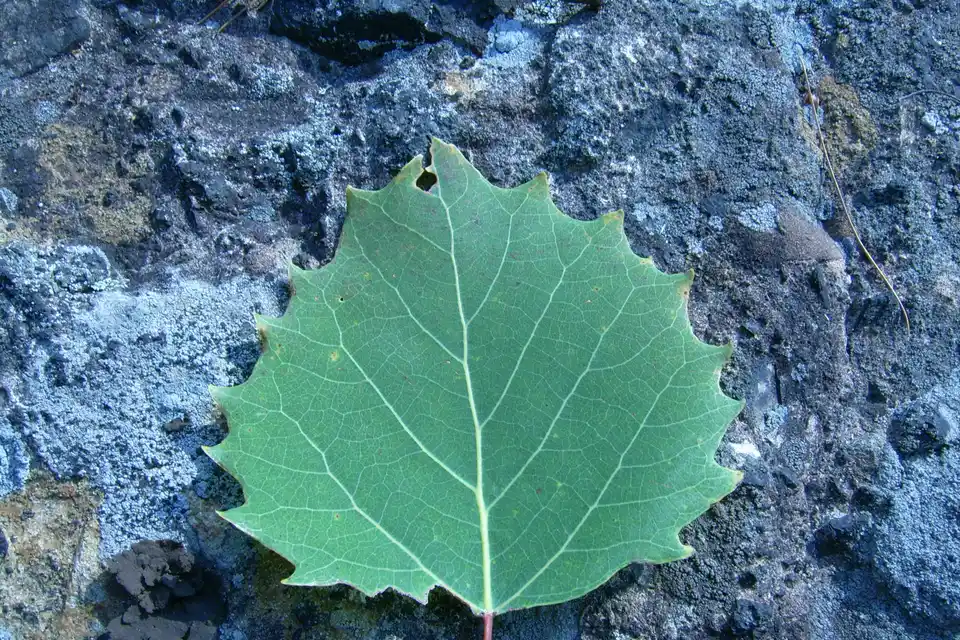
Populus grandidentata, also called Largetooth aspen
- Hardiness
- USDA zones 3-6
- Mature size
- 50 to 70 feet tall and 20 to 40 feet wide
- Native to
- Northeastern US, southeastern Canada and the Great Lakes, from Virginia to Maine and west to Minnesota
- Sun
- Full sun to part shade, though FEIS rates it very shade intolerant in the forest.
- Soil
- Best on sands and sandy loams that stay moist but well aerated; found on almost any soil. Tolerates drier sites than quaking aspen.
- Growth
- Fast. Stands start to decline after 50 to 70 years; individual trees can reach 100.
Before you plant one
- Spreads by root suckers into a clonal grove.
- Shallow, wide-spreading roots: 33 to 66 feet across in a forest.
- Short-lived compared with most shade trees.
Growing bigtooth aspen
Like quaking aspen but with larger, coarsely toothed leaves, and more tolerant of dry ground and of disease. The University of Minnesota suggests it as an ornamental or shade tree when grown in clusters.
Common problems
Hypoxylon canker is the most serious disease; leaf and shoot blight, rots and root decay also occur. Oystershell scale. Spongy moth (formerly gypsy moth) favors it, and heavy defoliation followed by Armillaria root rot can kill it.
Questions people ask
What zones can I grow bigtooth aspen in?
USDA hardiness zones 3-6.
How big does bigtooth aspen get?
50 to 70 feet tall and 20 to 40 feet wide at maturity. Fast. Stands start to decline after 50 to 70 years; individual trees can reach 100.