Growing Sweet Cherry: A Complete Profile
By Growing Home Greens Team · August 11, 2026
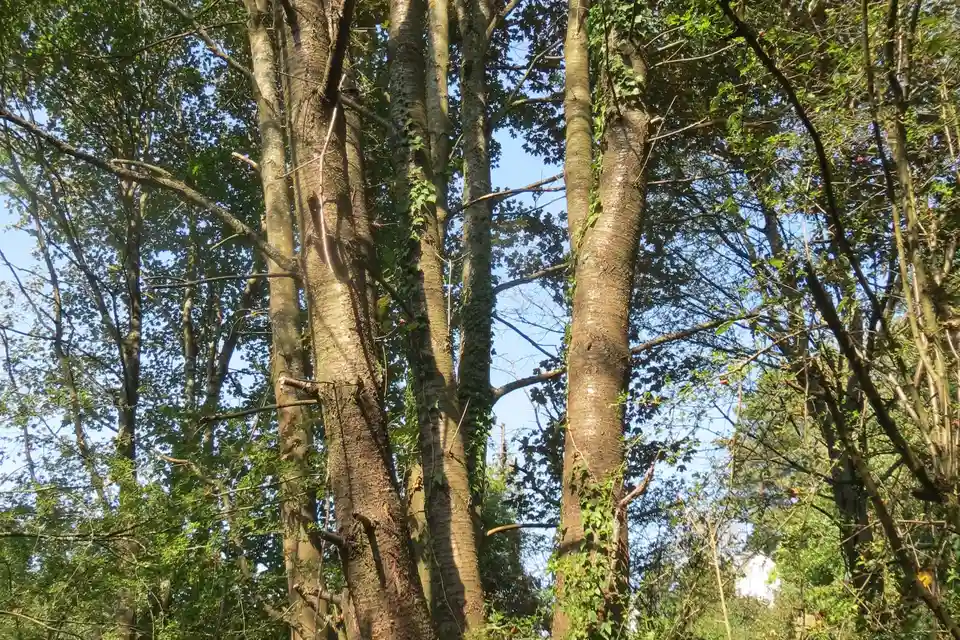
Sweet cherry (Prunus avium) is the fresh-eating cherry, distinct from tart cherry, a separate species covered in its own profile and grown mostly for baking rather than fresh eating. Most sweet cherry varieties need a second, compatible variety nearby to fruit.
Most varieties need a partner
A handful of named varieties, Stella, Lapins, Sweetheart, and Black Gold among them, are self-fruitful and can serve as a universal pollen source for other varieties planted nearby. Everything else in the sweet cherry world is self-unfruitful and needs a compatible partner blooming at the same time within about 100 feet.
Birds, not pests, are the main threat
Once fruit starts to ripen, birds are usually the single biggest source of crop loss, ahead of insects or disease. Netting the tree as fruit begins to color is often the only reliable protection; scare devices alone tend to lose effectiveness within days as birds get used to them.
Full sun and drainage matter more here
Sweet cherry is less tolerant of standing water around the roots than most other fruit trees; poor drainage kills a cherry tree faster than it does apple, pear, or plum. It’s also slower to bear and somewhat less cold-hardy than tart cherry, so a marginal-zone yard may do better with tart cherry instead.
Sweet cherry has no well-established companion pairings, and nothing it needs to be kept away from. See the self-fruitful vs. self-unfruitful explainer for the general mechanics behind why some varieties need a partner and others don’t.
Source: Pollination – Sweet Cherry, Washington State University Tree Fruit.
Companion planting guide for Sweet Cherry · Find your planting dates
Typically viable in USDA zones 5-8. Not sure your zone? Look it up by ZIP code.
Mature height: 16-20 ft
Method: Buy as a start: Buy as a nursery start and transplant outside. It's slow or unreliable from seed, so most gardeners skip seed-starting it entirely.
When to plant sweet cherry, by zone
Every zone sweet cherry grows in. Pick your zone in the header and it will be highlighted here. Each zone links to its full page.
| Zone | Start indoors | Sow or plant out | Harvest |
|---|---|---|---|
| 5a & 5b | Buy as a start | Apr 26–May 3 | First real harvest in year 5 |
| 6a & 6b | Buy as a start | Apr 11–Apr 18 | First real harvest in year 5 |
| 7a & 7b | Buy as a start | Mar 27–Apr 3 | First real harvest in year 5 |
| 8a & 8b | Buy as a start | Mar 11–Mar 18 | First real harvest in year 5 |
See exact start-indoors, direct-sow, and harvest dates for your zone →
How many Sweet Cherry plants fit per square foot?
Spacing: about 50 square feet per plant (square-foot-gardening spacing). Mature height: 16-20 ft.
Varieties worth considering
- 'Stella' sweet cherry (best for: self-fruitful, universal pollinator): One of the named self-fruitful sweet cherry varieties, able to set a crop alone and also serve as a compatible pollen source for many self-unfruitful varieties nearby, useful if only one or two trees fit the space. (source)
- 'Emperor Francis' sweet cherry (best for: preserving, maraschino-style cherries): Stark Bro's Nursery describes this as the cherry that makes the best homemade maraschino cherries, firm and crack-resistant with yellow-blushed-red fruit, also good fresh or in jams. Needs a compatible second variety to fruit, unlike self-fruitful Stella above. (source)
Why each variety is listed comes from the source shown next to it. We haven't grown these ourselves yet, so treat this as a research-backed starting point, not a personal endorsement. The buy links are separate from those sources: they go to seed suppliers that sell that exact variety, and we may earn a commission on some of them.
Where to buy sweet cherry starts
Sweet cherry is almost always bought as a nursery start rather than seeded. Check a local nursery or garden center; we haven't vetted online start/plant suppliers yet.
As an Amazon Associate we earn from qualifying purchases. Some links on this page also go to other retailers we may earn a commission from as an affiliate, at no extra cost to you. We only recommend products with a clear consensus of positive, independent reviews, or ones we bought and use ourselves. Each item on our gear page says which.
See it growing
Search YouTube for "growing sweet cherry" videos → (a live search, not a hand-picked video; results vary and aren't vetted by us)

Pin this for later
Growing Sweet Cherry: Most sweet cherry varieties need a second, compatible variety to fruit, and birds are usually the bigger threat to the crop than any pest or disease.
Save to Pinterest