Growing Sweet Annie (Artemisia): A Complete Profile
By Growing Home Greens Team · August 10, 2026
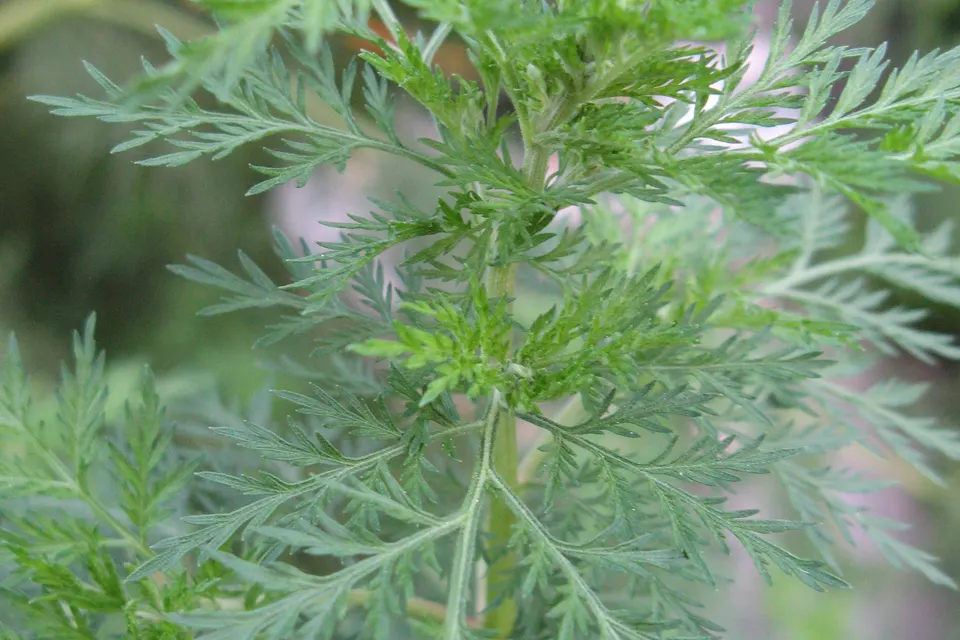
Sweet Annie is not the culinary tarragon already covered on this site, though the two share a genus. This one is grown for its sweetly aromatic, feathery foliage, a favorite for wreaths and as a fragrant filler in dried arrangements.
Two sowing options
Transplant, sowing seed 5 to 6 weeks before planting out, barely covered. Direct-seeding after frost danger passes also works, seed covered lightly; broadcast seeding isn’t recommended, since it makes thinning to proper spacing difficult. Germination takes 7 to 21 days at 70-75°F. Space plants 12 to 24 inches apart; mature plants reach a tall 4 to 6 feet.
Harvest
Cut fresh or for drying once flower heads have developed on the stems.
Sweet Annie has no well-established companion pairings, and nothing it needs to be kept away from. At 1 plant per square foot and standing tall, it works well at the back of a fragrant cutting row in the Garden Designer.
Source: Artemisia (Sweet Annie): Key Growing Information, Johnny’s Selected Seeds.
Companion planting guide for Sweet Annie (Artemisia) · Find your planting dates
Typically viable in USDA zones 2-11. Not sure your zone? Look it up by ZIP code.
Mature height: 4-6 ft
Method: Either: Start indoors for an earlier harvest, or direct-sow outside for less fuss. Either works.
When to plant sweet annie (artemisia), by zone
Every zone sweet annie (artemisia) grows in. Pick your zone in the header and it will be highlighted here. Each zone links to its full page.
| Zone | Start indoors | Sow or plant out | Bloom |
|---|---|---|---|
| 2a & 2b | Apr 8–Apr 15 | May 20–May 27 | Aug 28–Sep 4 |
| 3a & 3b | Apr 18–Apr 25 | May 30–Jun 6 | Sep 7–Sep 14 |
| 4a & 4b | Apr 3–Apr 10 | May 15–May 22 | Aug 23–Aug 30 |
| 5a & 5b | Mar 29–Apr 5 | May 10–May 17 | Aug 18–Aug 25 |
| 6a & 6b | Mar 14–Mar 21 | Apr 25–May 2 | Aug 3–Aug 10 |
| 7a & 7b | Feb 27–Mar 6 | Apr 10–Apr 17 | Jul 19–Jul 26 |
| 8a & 8b | Feb 11–Feb 18 | Mar 25–Apr 1 | Jul 3–Jul 10 |
| 9a & 9b | Jan 4–Jan 11 | Feb 15–Feb 22 | May 26–Jun 2 |
| 10a & 10b | Dec 19–Dec 26 | Jan 30–Feb 6 | May 10–May 17 |
| 11a & 11b | Nov 20–Nov 27 | Jan 1–Jan 8 | Apr 11–Apr 18 |
Bloom dates are about 100 days after the sow or plant-out date, not after starting seeds indoors.
Zone 2 sows before zone 3 here, which looks wrong and is not. USDA zones rank winter cold, not season length, and zone 2 is mostly interior Alaska, where hard winters come with warm summers. More on what a zone measures.
See exact start-indoors, direct-sow, and harvest dates for your zone →
How many Sweet Annie (Artemisia) plants fit per square foot?
Spacing: 1 per square foot (square-foot-gardening spacing). Mature height: 4-6 ft.
Varieties worth considering
- Straight-species sweet Annie (Artemisia annua): Johnny's Selected Seeds sells this species as an organic seed offering, described as a sweetly aromatic everlasting used in wreaths and as a bouquet filler; there's no meaningful named-cultivar market for it. (source)
Why each variety is listed comes from the source shown next to it. We haven't grown these ourselves yet, so treat this as a research-backed starting point, not a personal endorsement. The buy links are separate from those sources: they go to seed suppliers that sell that exact variety, and we may earn a commission on some of them.
Where to buy sweet annie seeds
Botanical Interests (sweet annie seeds)
As an Amazon Associate we earn from qualifying purchases. Some links on this page also go to other retailers we may earn a commission from as an affiliate, at no extra cost to you. We only recommend products with a clear consensus of positive, independent reviews, or ones we bought and use ourselves. Each item on our gear page says which.
See it growing
Search YouTube for "growing sweet annie (artemisia)" videos → (a live search, not a hand-picked video; results vary and aren't vetted by us)
%3A%20Not%20the%20culinary%20tarragon%2C%20though%20it%20shares%20the%20genus%3B%20sweet%20Annie%20is%20grown%20for%20its%20sweetly%20aromatic%2C%20feathery%20foliage%2C%20popular%20dried%20in%20wreaths%20and%20as%20a%20fragrant%20bouquet%20filler.)
Pin this for later
Growing Sweet Annie (Artemisia): Not the culinary tarragon, though it shares the genus; sweet Annie is grown for its sweetly aromatic, feathery foliage, popular dried in wreaths and as a fragrant bouquet filler.
Save to Pinterest