Growing Strawberries: A Complete Profile
By Growing Home Greens Team · August 6, 2026
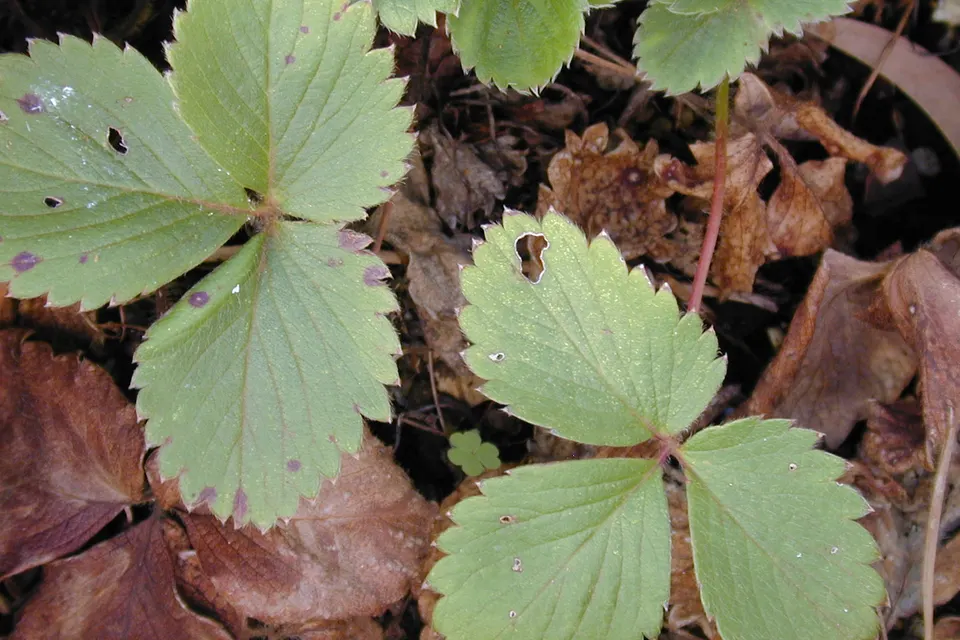
Strawberries are the one fruit that fits properly in a raised bed. One plant per square foot, low enough to shade nothing, and productive within a year of planting rather than the three or four a bush takes.
They’re also the fruit people most often grow badly, and it usually traces back to one decision made before planting.
June-bearing or everbearing
This is the choice that determines everything else, and the tag in the pot often doesn’t make it obvious.
June-bearing gives you one concentrated crop over two or three weeks in early summer. It runs hard, sending out daughter plants that root themselves and fill the bed. That’s what you want for a dedicated strawberry patch and for making jam.
Everbearing gives two lighter flushes, early summer and autumn, and makes far fewer runners. Easier to keep in one square foot.
Day-neutral keeps producing as long as it isn’t too hot. Best in a container or a tight bed where you want a handful every few days.
Ohio State’s factsheet and OSU Extension’s guide both come down the same way on spacing: June-bearing wants about 18 inches because it’s going to spread, everbearing about 12.
The counterintuitive first year
Pinch the flowers off a June-bearing planting in its first season. All of them.
It feels wrong, and it’s the single biggest difference between a bed that produces for four years and one that limps. A first-year plant allowed to fruit puts its energy into a dozen small berries instead of into the crown and root system that carry the next three crops. Strip the flowers, let it run, and take the full harvest the following June.
Everbearing and day-neutral types are less strict about this; a light first-year picking is fine.
What goes wrong
Berries rot on the underside. They’re touching soil. Straw underneath the fruit is where the name comes from and it’s still the fix. Netting or a strawberry mat works too.
Loads of leaf, no fruit. Too much nitrogen, or plants too crowded after a few years of unchecked runners. Thin them.
Birds get there first. They always get there first. Netting is the only thing that works, and it needs to be on before the fruit colours, not after you notice.
Production falls off after year three. Normal, not a failure. A strawberry bed is productive for three to five years and then wants replacing. The good news is it replaces itself: peg down a few runners into pots in late summer, and those become next year’s bed somewhere else.
Where to put it
Full sun, decent drainage, and somewhere you can reach every square. In the Garden Designer it takes one square foot per plant, which makes a 4x4 bed sixteen plants, which is a useful amount of fruit.
Don’t plant into ground that has just grown tomatoes, peppers, potatoes or aubergines. They share verticillium wilt, and the fungus persists in soil.
Sources: Growing Strawberries in the Home Garden, Ohio State University Extension; Growing strawberries in your home garden, Oregon State University Extension.
Companion planting guide for Strawberry · Find your planting dates
Typically viable in USDA zones 3-10. Not sure your zone? Look it up by ZIP code.
Mature height: 6-8 in
Method: Buy as a start: Buy as a nursery start and transplant outside. It's slow or unreliable from seed, so most gardeners skip seed-starting it entirely.
When to plant strawberry, by zone
Every zone strawberry grows in. Pick your zone in the header and it will be highlighted here. Each zone links to its full page.
| Zone | Start indoors | Sow or plant out | Harvest |
|---|---|---|---|
| 3a & 3b | Buy as a start | May 9–May 16 | First real harvest the season after planting |
| 4a & 4b | Buy as a start | Apr 24–May 1 | First real harvest the season after planting |
| 5a & 5b | Buy as a start | Apr 19–Apr 26 | First real harvest the season after planting |
| 6a & 6b | Buy as a start | Apr 4–Apr 11 | First real harvest the season after planting |
| 7a & 7b | Buy as a start | Mar 20–Mar 27 | First real harvest the season after planting |
| 8a & 8b | Buy as a start | Mar 4–Mar 11 | First real harvest the season after planting |
| 9a & 9b | Buy as a start | Jan 25–Feb 1 | First real harvest the season after planting |
| 10a & 10b | Buy as a start | Jan 9–Jan 16 | First real harvest the season after planting |
See exact start-indoors, direct-sow, and harvest dates for your zone →
How many Strawberry plants fit per square foot?
Spacing: 1 per square foot (square-foot-gardening spacing). Mature height: 6-8 in.
Soil & water: pH 5.8-6.2. Needs well-drained soil. Amend with lime if soil pH falls below 5.8.
Good companions for strawberry
- Lettuce: Shallow-rooted and quick, so it uses the gaps between young strawberry plants before they knit together.
- Borage: Long-standing pairing in kitchen gardens, grown to draw pollinators to the strawberry flowers.
Full companion guide, including what to keep away from strawberry →
Varieties worth considering
- June-bearing: One heavy crop over two or three weeks in early summer. This is the type to grow if you want to make jam, because you get enough at once to be worth heating a pan for. Plant 18 inches apart; they throw runners hard and fill in. (source)
- Everbearing: Two lighter crops, roughly early summer and again in autumn. Fewer runners, so a tidier plant for a raised bed. Plant about 12 inches apart, or one per square foot. (source)
- Day-neutral: Fruits steadily through the season rather than in flushes, as long as temperatures stay moderate. The best pick for containers and for eating a handful at a time rather than harvesting a bowl. (source)
- 'Albion' (day-neutral) (best for: disease resistance, large fruit): Johnny's describes this day-neutral cultivar as bearing very large, firm, conical berries with resistance to Verticillium wilt and Phytophthora crown rot plus partial resistance to Anthracnose, a stronger disease package than a generic day-neutral planting. A named cultivar worth seeking out specifically rather than buying unlabeled day-neutral starts. (source)
Why each variety is listed comes from the source shown next to it. We haven't grown these ourselves yet, so treat this as a research-backed starting point, not a personal endorsement. The buy links are separate from those sources: they go to seed suppliers that sell that exact variety, and we may earn a commission on some of them.
Where to buy strawberry starts
Strawberry is almost always bought as a nursery start rather than seeded. Check a local nursery or garden center; we haven't vetted online start/plant suppliers yet.
As an Amazon Associate we earn from qualifying purchases. Some links on this page also go to other retailers we may earn a commission from as an affiliate, at no extra cost to you. We only recommend products with a clear consensus of positive, independent reviews, or ones we bought and use ourselves. Each item on our gear page says which.
See it growing
Search YouTube for "growing strawberry" videos → (a live search, not a hand-picked video; results vary and aren't vetted by us)

Pin this for later
Growing Strawberry: June-bearing or everbearing decides everything else about how you grow strawberries. Which to pick, why to strip the first year's flowers, and when to start over.
Save to Pinterest