Growing Salsify: A Complete Profile
By Growing Home Greens Team · July 24, 2026
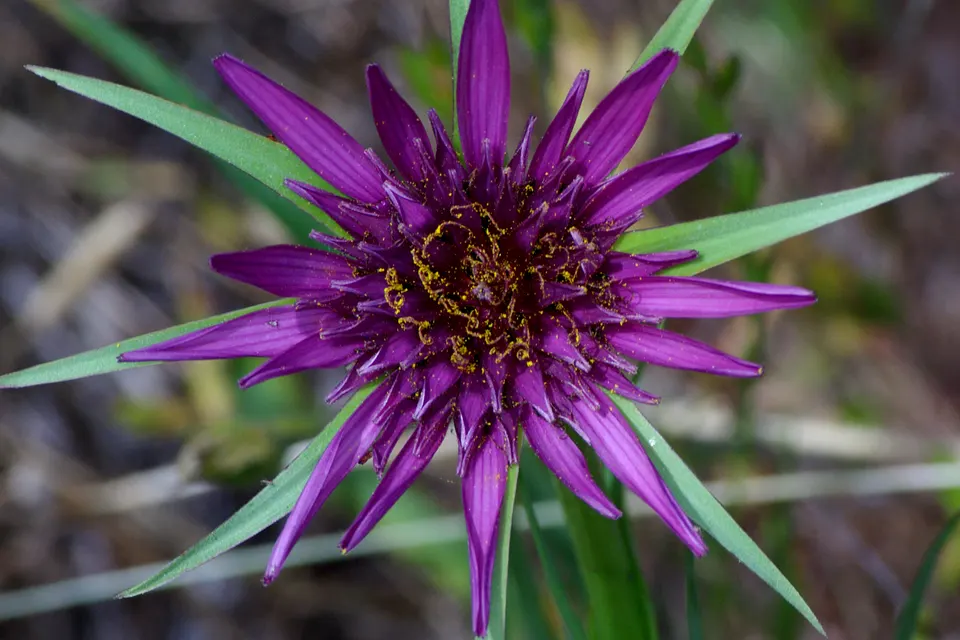
Salsify is a long, slender root vegetable that’s mostly fallen out of mainstream gardens but keeps a loyal following for its unusual, delicate flavor. It’s a genuine long-season crop. Plan on it occupying its bed space from spring through late fall.
Sowing and the long wait
Direct-sow seed in early to mid spring, 1/2 inch deep, then thin seedlings to 2-3 inches apart. Salsify is slow and steady: roots aren’t dug until late fall, after a long season of growth, and the first fall frosts improve the flavor. The foliage is edible too, and in its second year (if left in the ground) the plant produces attractive edible flowers.
Don’t disturb the taproot
Like other long taproots, salsify resents being transplanted or disturbed once established: direct-sow only, and thin early rather than letting roots compete. Letting the soil dry out before seedlings emerge is the most common cause of a spotty stand.
The same deep bed as carrots and parsnips
Salsify wants the same deep, friable, well-drained soil as carrots and parsnips, and can be treated similarly for succession and storage. Roots keep well in the ground over winter or in a cold, humid root cellar.
Sources: Salsify and Scorzonera Growing Information, Johnny’s Selected Seeds; Mammoth Sandwich Island Salsify Seed, Johnny’s Selected Seeds.
Companion planting guide for Salsify · Find your planting dates
Typically viable in USDA zones 3-9. Not sure your zone? Look it up by ZIP code.
Mature height: 1-2 ft
Method: Direct sow: Direct-sow outside. It doesn't transplant well, or doesn't need the extra time indoors.
When to plant salsify, by zone
Every zone salsify grows in. Pick your zone in the header and it will be highlighted here. Each zone links to its full page.
| Zone | Start indoors | Sow or plant out | Harvest |
|---|---|---|---|
| 3a & 3b | Not usually | May 30–Jun 6 | Sep 27–Oct 4 |
| 4a & 4b | Not usually | May 15–May 22 | Sep 12–Sep 19 |
| 5a & 5b | Not usually | May 10–May 17 | Sep 7–Sep 14 |
| 6a & 6b | Not usually | Apr 25–May 2 | Aug 23–Aug 30 |
| 7a & 7b | Not usually | Apr 10–Apr 17 | Aug 8–Aug 15 |
| 8a & 8b | Not usually | Mar 25–Apr 1 | Jul 23–Jul 30 |
| 9a & 9b | Not usually | Feb 15–Feb 22 | Jun 15–Jun 22 |
Harvest dates are about 120 days after the sow or plant-out date.
See exact start-indoors, direct-sow, and harvest dates for your zone →
How many Salsify plants fit per square foot?
Spacing: 4 per square foot (square-foot-gardening spacing). Mature height: 1-2 ft.
Varieties worth considering
- Mammoth Sandwich Island (Tragopogon porrifolius): There isn't much of a decision to make here. Salsify has stayed a niche crop, so seed catalogs mostly carry one variety, and it's this one: an open-pollinated heirloom that Johnny's Selected Seeds still calls the classic, with long tapered roots that store and overwinter well. Buying salsify seed at all usually means buying this. (source) Buy seeds: True Leaf Market
Why each variety is listed comes from the source shown next to it. We haven't grown these ourselves yet, so treat this as a research-backed starting point, not a personal endorsement. The buy links are separate from those sources: they go to seed suppliers that sell that exact variety, and we may earn a commission on some of them.
Where to buy salsify seeds
True Leaf Market (each supplier's salsify seeds)
The varieties we recommend above each have their own buy links, for the suppliers that sell that exact variety.
As an Amazon Associate we earn from qualifying purchases. Some links on this page also go to other retailers we may earn a commission from as an affiliate, at no extra cost to you. We only recommend products with a clear consensus of positive, independent reviews, or ones we bought and use ourselves. Each item on our gear page says which.
See it growing
Search YouTube for "growing salsify" videos → (a live search, not a hand-picked video; results vary and aren't vetted by us)

Pin this for later
Growing Salsify: An old-fashioned root vegetable whose flavor is often compared to oysters or artichoke hearts, a long-season crop for patient gardeners.
Save to Pinterest