Growing Ranunculus: A Complete Profile
By Growing Home Greens Team · July 18, 2026
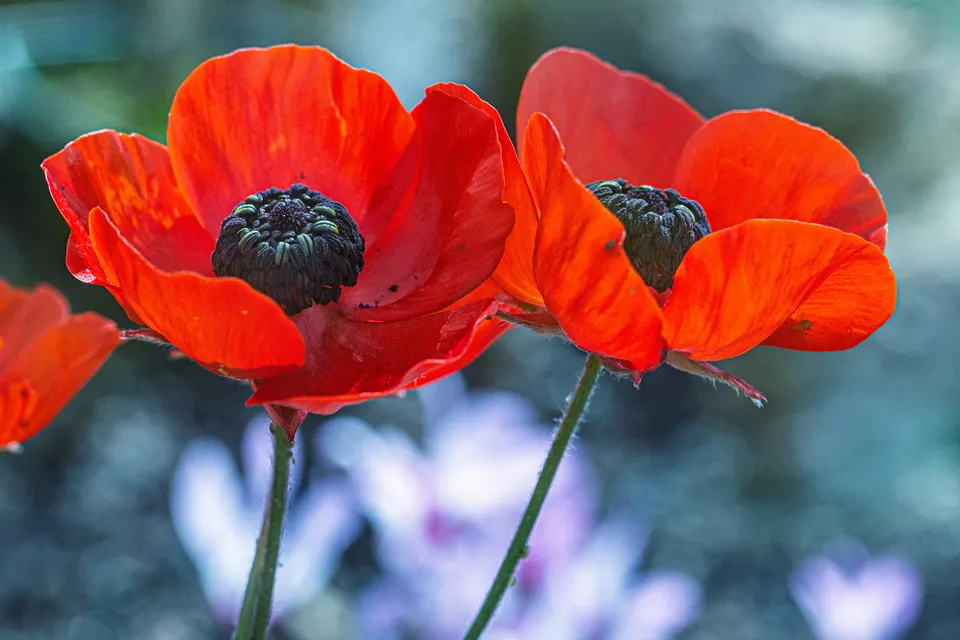
Ranunculus produces some of the most densely petaled, rose-like blooms of any corm in this group, but it comes with a genuine climate split: gardeners in mild-winter zones plant it in fall like the hardy bulbs, while everyone in colder zones plants it in spring instead.
Soaking the corms
Before planting, soak the small claw-shaped corms in water for 4 to 12 hours, until they roughly double in size. Skipping this step is the most common reason ranunculus corms fail to sprout at all. In zones 2-7, plant in spring after hard frost danger has passed, the same general timing as gladiolus. In zones 8-10, plant in fall instead, timed like the hardy bulbs, for bloom in late winter or early spring. Whichever season applies to your zone, expect bloom roughly 100 days after planting.
Rot is the main risk
Corms that never sprout are almost always a soaking problem. Dry corms planted straight into the ground take up water too slowly and often rot before they can grow. In the fall-planting zones (8-10), corms can perennialize in well-drained soil, but return bloom isn’t guaranteed the way it is with daffodils, so don’t count on the same planting coming back reliably for years. Rot in general traces back to soil that stays wet. This corm is unusually sensitive to waterlogging even by bulb standards.
A cut-flower corm on its own seasonal schedule
Ranunculus’s long bloom stems and dense petal count make it a popular cut-flower choice, worth planning alongside other cut-and-come-again flowers, which is also why the Tecolote strain is worth seeking out by name rather than buying an unlabeled mix. See the full companion guide for ranunculus for what pairs well. Because its planting season flips between spring and fall depending on your zone, double-check the Garden Designer and the zone-specific planting calendar before assuming it follows the same schedule as other corms in your garden.
Sources: Ranunculus Tecolote Merlot, Longfield Gardens.
Companion planting guide for Ranunculus · Find your planting dates
Typically viable in USDA zones 2-10. Not sure your zone? Look it up by ZIP code.
Mature height: 1-1.5 ft
Method: Direct sow: Direct-sow outside. It doesn't transplant well, or doesn't need the extra time indoors.
When to plant ranunculus, by zone
Every zone ranunculus grows in. Pick your zone in the header and it will be highlighted here. Each zone links to its full page.
| Zone | Start indoors | Sow or plant out | Bloom |
|---|---|---|---|
| 2a & 2b | Not usually | May 13–May 20 | Aug 26–Sep 2 |
| 3a & 3b | Not usually | May 23–May 30 | Sep 5–Sep 12 |
| 4a & 4b | Not usually | May 8–May 15 | Aug 21–Aug 28 |
| 5a & 5b | Not usually | May 3–May 10 | Aug 16–Aug 23 |
| 6a & 6b | Not usually | Apr 18–Apr 25 | Aug 1–Aug 8 |
| 7a & 7b | Not usually | Apr 3–Apr 10 | Jul 17–Jul 24 |
| 8a & 8bFall window | Not usually | Oct–Dec | ~105 days after direct-sowing |
| 9a & 9bFall window | Not usually | Oct–Dec | ~105 days after direct-sowing |
| 10a & 10bFall window | Not usually | Oct–Nov | ~105 days after direct-sowing |
| Spring window | Not usually | Feb–Mar | ~105 days after direct-sowing |
Bloom dates are about 105 days after the sow or plant-out date.
Zone 2 sows before zone 3 here, which looks wrong and is not. USDA zones rank winter cold, not season length, and zone 2 is mostly interior Alaska, where hard winters come with warm summers. More on what a zone measures.
See exact start-indoors, direct-sow, and harvest dates for your zone →
How many Ranunculus plants fit per square foot?
Spacing: 5 per square foot (square-foot-gardening spacing). Mature height: 1-1.5 ft.
Varieties worth considering
- Tecolote strain (Ranunculus asiaticus): Plain 'ranunculus corms' sold by size grade can be any strain. Tecolote was bred specifically for the cut flower market, and it shows: 5-inch blooms with enough extra petals to look full even cut and in a vase, rather than the smaller, sparser flowers of an unnamed mix meant for bedding display. (source)
- Tecolote Salmon: The same Tecolote cut-flower breeding in a peach-pink color, at the same giant 5 inch bloom size as Merlot. Worth choosing over Merlot's wine tones specifically for a softer, warmer palette. (source)
- Tomer strain: A separate strain from Tecolote, medium-sized rose-pink blooms with layered petals per Longfield Gardens, sold on the same fall-planting schedule for mild-winter zones. A reasonable alternative if Tecolote corms specifically aren't in stock. (source)
Why each variety is listed comes from the source shown next to it. We haven't grown these ourselves yet, so treat this as a research-backed starting point, not a personal endorsement. The buy links are separate from those sources: they go to seed suppliers that sell that exact variety, and we may earn a commission on some of them.
Where to buy ranunculus bulbs
We haven't vetted bulb/tuber suppliers yet. Our seed-supplier list doesn't carry these.
As an Amazon Associate we earn from qualifying purchases. Some links on this page also go to other retailers we may earn a commission from as an affiliate, at no extra cost to you. We only recommend products with a clear consensus of positive, independent reviews, or ones we bought and use ourselves. Each item on our gear page says which.
See it growing
Search YouTube for "growing ranunculus" videos → (a live search, not a hand-picked video; results vary and aren't vetted by us)

Pin this for later
Growing Ranunculus: A corm with a soak-before-planting step and a planting season that flips depending on how mild your winters are.
Save to Pinterest