Growing Quince: A Complete Profile
By Growing Home Greens Team · August 10, 2026
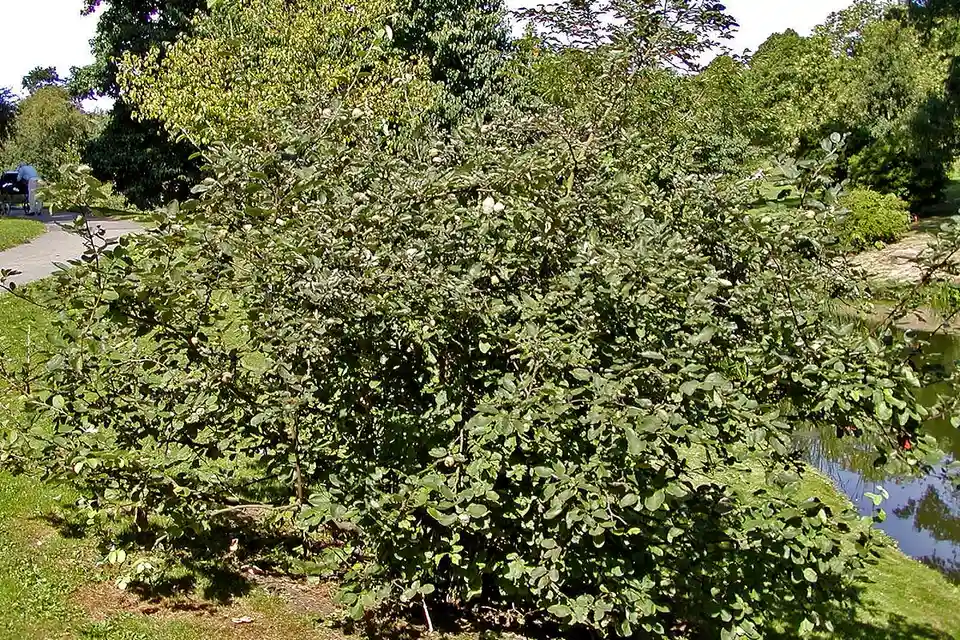
Quince is easy to confuse with the thornier, purely ornamental flowering quince (Chaenomeles) sold for its spring blooms, but this is the true fruiting quince, grown for its intensely fragrant, golden fruit used almost entirely for jelly and preserves rather than eaten fresh off the tree.
A tree that needs shelter and a partner
Plant in a protected site; quince responds poorly to rapid swings in temperature and exposure, so an open, wind-exposed spot works against it. It needs a second variety nearby for cross-pollination and good fruiting. Trees prefer full sun and a fertile, moist but well-drained soil, though quince tolerates wet soil and drought slightly better than apples do. It’s hardy in zones 5-9, though flowers can suffer winter injury below about -15°F.
Watch the fireblight risk
Keep nitrogen fertilizer light and pruning to a minimum on mature trees, since both excess nitrogen and heavy pruning increase the risk of fireblight, a real disease pressure for this crop. Cornell notes that pest problems, including fireblight, borers, codling moth, curculio, scale, and tent caterpillars, mean quince needs an active maintenance program if grown seriously.
Harvest and form
Harvest fruit once it turns golden yellow. As trees mature, they take on a distinctive gnarled, twisted form, part of the plant’s ornamental appeal beyond the fruit itself.
Quince has no well-established companion pairings, and nothing it needs to be kept away from. Given its need for shelter and a pollinator partner, it needs deliberate placement in the Garden Designer rather than an exposed, standalone spot.
Source: Quinces, Cornell University Fruit Resources.
Companion planting guide for Quince · Find your planting dates
Typically viable in USDA zones 5-9. Not sure your zone? Look it up by ZIP code.
Mature height: 10-15 ft
Method: Buy as a start: Buy as a nursery start and transplant outside. It's slow or unreliable from seed, so most gardeners skip seed-starting it entirely.
When to plant quince, by zone
Every zone quince grows in. Pick your zone in the header and it will be highlighted here. Each zone links to its full page.
| Zone | Start indoors | Sow or plant out | Harvest |
|---|---|---|---|
| 5a & 5b | Buy as a start | May 10–May 17 | First real harvest in year 4 |
| 6a & 6b | Buy as a start | Apr 25–May 2 | First real harvest in year 4 |
| 7a & 7b | Buy as a start | Apr 10–Apr 17 | First real harvest in year 4 |
| 8a & 8b | Buy as a start | Mar 25–Apr 1 | First real harvest in year 4 |
| 9a & 9b | Buy as a start | Feb 15–Feb 22 | First real harvest in year 4 |
See exact start-indoors, direct-sow, and harvest dates for your zone →
How many Quince plants fit per square foot?
Spacing: about 50 square feet per plant (square-foot-gardening spacing). Mature height: 10-15 ft.
Varieties worth considering
- 'Smyrna' quince: Cornell University's fruit resources page lists this among the quince varieties generally available in the trade, alongside Angers, Orange, Pineapple, and Champion. (source)
Why each variety is listed comes from the source shown next to it. We haven't grown these ourselves yet, so treat this as a research-backed starting point, not a personal endorsement. The buy links are separate from those sources: they go to seed suppliers that sell that exact variety, and we may earn a commission on some of them.
Where to buy quince starts
Quince is almost always bought as a nursery start rather than seeded. Check a local nursery or garden center; we haven't vetted online start/plant suppliers yet.
As an Amazon Associate we earn from qualifying purchases. Some links on this page also go to other retailers we may earn a commission from as an affiliate, at no extra cost to you. We only recommend products with a clear consensus of positive, independent reviews, or ones we bought and use ourselves. Each item on our gear page says which.
See it growing
Search YouTube for "growing quince" videos → (a live search, not a hand-picked video; results vary and aren't vetted by us)

Pin this for later
Growing Quince: The true fruiting quince, grown for its intensely fragrant, golden fruit used almost entirely for jelly and preserves, not the thornier ornamental flowering quince.
Save to Pinterest