Growing Pawpaw: A Complete Profile
By Growing Home Greens Team · August 10, 2026
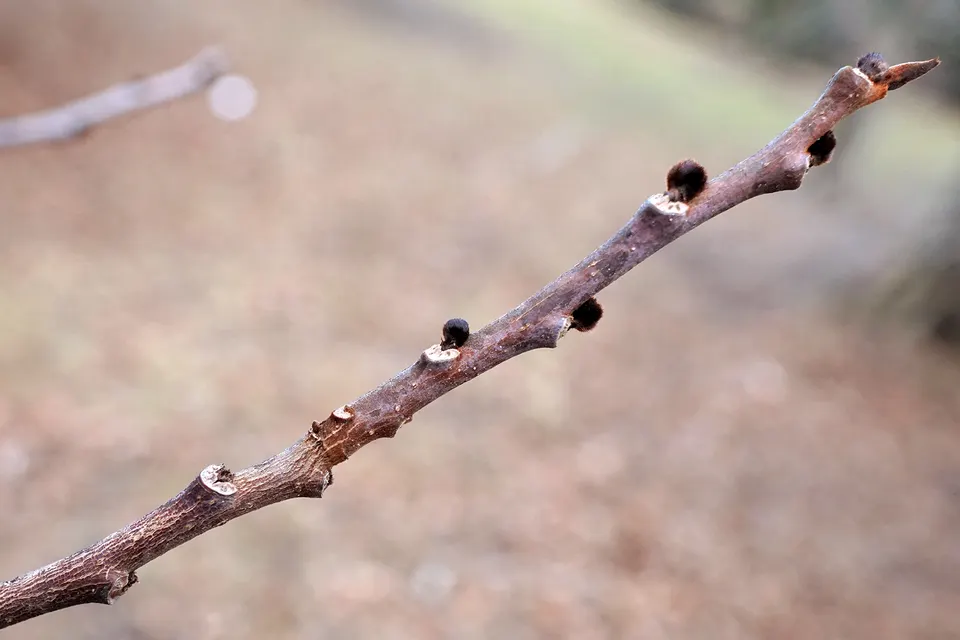
Pawpaw is a native North American understory tree that produces the largest edible fruit native to the continent, with a custard-like pulp whose flavor is often compared to mango, banana, papaya, and citrus all at once.
Two different trees, not one
Pawpaw flowers are perfect but protogynous, meaning the female part matures before the pollen sheds, which pushes the plant toward needing cross-pollination. A single named variety planted alone, however desirable its fruit, is a well-documented and avoidable mistake; two genetically different trees are needed nearby for reliable fruit set.
An understory tree by nature
As a naturally occurring understory species in eastern hardwood forests, pawpaw tolerates partial shade better than most fruit trees, though full sun improves yield and fruit quality. It thrives in deep, moist, well-drained soil and is hardy in zones 5-9, reaching 20 to 35 feet at maturity.
A short harvest window
Fruit ripens in a compact 3-to-5-week window in September. Tree-ripened fruit only lasts a few days at room temperature, which is why most of the pawpaw industry centers on processed pulp rather than fresh whole-fruit sales. Few pests or diseases trouble this plant, a real advantage over more commonly grown tree fruit.
Pawpaw has no well-established companion pairings, and nothing it needs to be kept away from. Given its shade tolerance and eventual large size, it’s a good candidate for the partly shaded edge of the Garden Designer that full-sun fruit trees would struggle in, with a second tree planned in from the start.
Source: Pawpaws: An Alternative Fruit Crop in the Midwest, Ohio State University Extension (Ohioline).
Companion planting guide for Pawpaw · Find your planting dates
Typically viable in USDA zones 5-9. Not sure your zone? Look it up by ZIP code.
Mature height: 15-20 ft
Method: Buy as a start: Buy as a nursery start and transplant outside. It's slow or unreliable from seed, so most gardeners skip seed-starting it entirely.
When to plant pawpaw, by zone
Every zone pawpaw grows in. Pick your zone in the header and it will be highlighted here. Each zone links to its full page.
| Zone | Start indoors | Sow or plant out | Harvest |
|---|---|---|---|
| 5a & 5b | Buy as a start | May 10–May 17 | First real harvest in year 5 |
| 6a & 6b | Buy as a start | Apr 25–May 2 | First real harvest in year 5 |
| 7a & 7b | Buy as a start | Apr 10–Apr 17 | First real harvest in year 5 |
| 8a & 8b | Buy as a start | Mar 25–Apr 1 | First real harvest in year 5 |
| 9a & 9b | Buy as a start | Feb 15–Feb 22 | First real harvest in year 5 |
See exact start-indoors, direct-sow, and harvest dates for your zone →
How many Pawpaw plants fit per square foot?
Spacing: about 50 square feet per plant (square-foot-gardening spacing). Mature height: 15-20 ft.
Varieties worth considering
- 'Sunflower' pawpaw: Ohio State University Extension lists this among the popular cultivars found in Ohio orchards, selected for fruit quality and suitability for orchard establishment; plant it alongside a genetically different second variety for pollination. (source)
- 'Shenandoah' pawpaw (best for: second variety for pollination): Ohio State University Extension lists Shenandoah as another popular cultivar found in Ohio orchards, a genetically distinct option worth pairing with Sunflower above for reliable cross-pollination. (source)
Why each variety is listed comes from the source shown next to it. We haven't grown these ourselves yet, so treat this as a research-backed starting point, not a personal endorsement. The buy links are separate from those sources: they go to seed suppliers that sell that exact variety, and we may earn a commission on some of them.
Where to buy pawpaw starts
Pawpaw is almost always bought as a nursery start rather than seeded. Check a local nursery or garden center; we haven't vetted online start/plant suppliers yet.
As an Amazon Associate we earn from qualifying purchases. Some links on this page also go to other retailers we may earn a commission from as an affiliate, at no extra cost to you. We only recommend products with a clear consensus of positive, independent reviews, or ones we bought and use ourselves. Each item on our gear page says which.
See it growing
Search YouTube for "growing pawpaw" videos → (a live search, not a hand-picked video; results vary and aren't vetted by us)

Pin this for later
Growing Pawpaw: A native understory tree producing the largest edible fruit native to North America, with a custard-like pulp often compared to mango, banana, and papaya.
Save to Pinterest