Growing Pansies: A Complete Profile
By Growing Home Greens Team · July 18, 2026
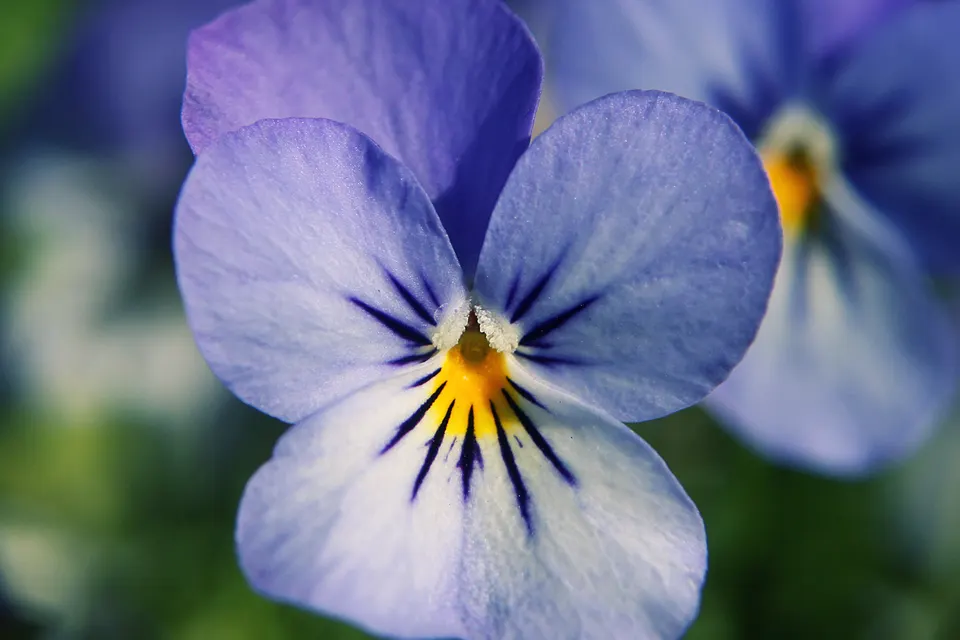
Pansies have a reputation as an easy, cheerful bedding flower, which undersells how far ahead of the season you have to start them: seed goes in about 12 weeks before your last frost date, and it needs darkness to germinate, so this isn’t a plant you can just scatter on a windowsill and forget. What you’re waiting on is a low, 6- to 8-inch plant covered in flat, five-petaled blooms, most with a dark blotch marking that reads as a face, across a wide range of colors. Get through that indoor stretch and pansies more than make up for the wait by tolerating hard frost outdoors.
Starting it indoors, in the dark
Sow indoors roughly 12 weeks before your last frost, keeping the seed covered and dark until it sprouts. Light germination inhibitors are the opposite of what most flowers need, which trips people up. Transplants can go outside about 2 weeks before your last frost since established plants shrug off a light frost without damage. In low-desert zones, treat pansies as a fall-through-spring winter bedding flower rather than a summer one; the heat that arrives by early summer will finish them off regardless of care. Plant 2 per square foot.
Leggy indoors, bleached outdoors
Leggy, stretched seedlings indoors are almost always a light problem. Pansy starts need strong, direct light or they’ll stretch toward a window and flop. Outdoors, plants that stall or bleach out in place are usually hitting heat stress rather than a pest or disease issue; pansies are a cool-season flower first, and nothing about their care compensates for planting them into a hot stretch.
A cool-season border, not a summer bed
Pansies have no well-established companion pairings, and nothing they need to be kept away from. At 2 per square foot they work well as a dense, low border filling in the edges of a bed in the Garden Designer during the cool months when summer vegetables haven’t gone in yet.
Sources: Matrix, Delta pansies are great cool-season colors, Mississippi State University Extension Service.
Companion planting guide for Pansy / Viola · Find your planting dates
Typically viable in USDA zones 2-11. Not sure your zone? Look it up by ZIP code.
Mature height: 6-9 in
Method: Start indoors: Start indoors from seed, then transplant outside. It needs a head start most zones can't give it by direct-sowing alone.
When to plant pansy / viola, by zone
Every zone pansy / viola grows in. Pick your zone in the header and it will be highlighted here. Each zone links to its full page.
| Zone | Start indoors | Sow or plant out | Bloom |
|---|---|---|---|
| 2a & 2b | Feb 25–Mar 4 | May 6–May 13 | Jul 10–Jul 17 |
| 3a & 3b | Mar 7–Mar 14 | May 16–May 23 | Jul 20–Jul 27 |
| 4a & 4b | Feb 20–Feb 27 | May 1–May 8 | Jul 5–Jul 12 |
| 5a & 5b | Feb 15–Feb 22 | Apr 26–May 3 | Jun 30–Jul 7 |
| 6a & 6b | Jan 31–Feb 7 | Apr 11–Apr 18 | Jun 15–Jun 22 |
| 7a & 7b | Jan 16–Jan 23 | Mar 27–Apr 3 | May 31–Jun 7 |
| 8a & 8b | Dec 31–Jan 7 | Mar 11–Mar 18 | May 15–May 22 |
| 9a & 9b | Nov 23–Nov 30 | Feb 1–Feb 8 | Apr 7–Apr 14 |
| 10a & 10bFall window | Aug–Nov | Oct–Jan | ~65 days after transplanting |
| 11a & 11b | Oct 9–Oct 16 | Dec 18–Dec 25 | Feb 21–Feb 28 |
Bloom dates are about 65 days after the sow or plant-out date, not after starting seeds indoors.
Zone 2 sows before zone 3 here, which looks wrong and is not. USDA zones rank winter cold, not season length, and zone 2 is mostly interior Alaska, where hard winters come with warm summers. More on what a zone measures.
See exact start-indoors, direct-sow, and harvest dates for your zone →
How many Pansy / Viola plants fit per square foot?
Spacing: 2 per square foot (square-foot-gardening spacing). Mature height: 6-9 in.
Varieties worth considering
- Matrix series (Viola x wittrockiana): Mississippi State University Extension singles out Matrix for flowering earlier than other pansies, with big blooms held above the foliage on strong stems instead of flopping into the leaves. That stem strength is the part worth paying for: a pansy with weak stems still blooms, it just looks beaten down after the first hard rain. (source)
- 'Sorbet XP' series pansy (best for: early, heavy bloom): Johnny's Selected Seeds describes this series as early and profuse bloomers, sold in a wide range of named colors, a good early-season alternative to Matrix. (source)
- 'Aalsmeer King Size Mix' pansy (best for: old-fashioned mixed color): Johnny's Selected Seeds lists this as an old-fashioned mix with vigorous plants, an open-pollinated option distinct from the hybrid series above. (source)
Why each variety is listed comes from the source shown next to it. We haven't grown these ourselves yet, so treat this as a research-backed starting point, not a personal endorsement. The buy links are separate from those sources: they go to seed suppliers that sell that exact variety, and we may earn a commission on some of them.
Where to buy pansy / viola seeds
None of the seed suppliers we list carries pansy / viola seeds right now. A local garden center or a specialty seed house is the place to look.
As an Amazon Associate we earn from qualifying purchases. Some links on this page also go to other retailers we may earn a commission from as an affiliate, at no extra cost to you. We only recommend products with a clear consensus of positive, independent reviews, or ones we bought and use ourselves. Each item on our gear page says which.
See it growing
Search YouTube for "growing pansy / viola" videos → (a live search, not a hand-picked video; results vary and aren't vetted by us)

Pin this for later
Growing Pansy / Viola: A cool-season flower that starts indoors in the dead of winter, almost twelve weeks before it ever sees your garden.
Save to Pinterest