Growing Oregano: A Complete Profile
By Growing Home Greens Team · July 18, 2026
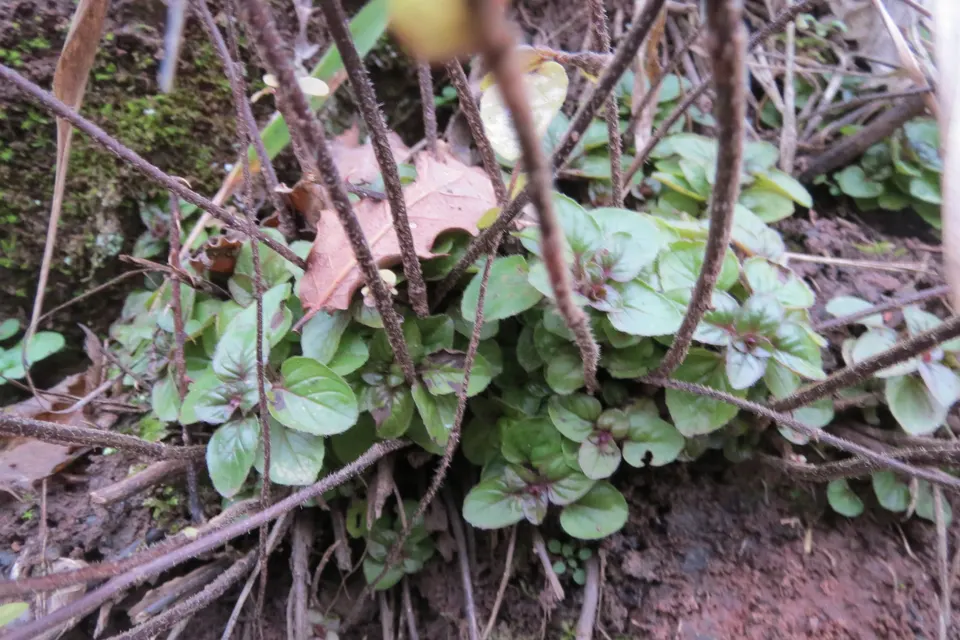
Oregano is a low, spreading perennial in the mint family, and one of the more forgiving herbs you can grow. It performs better in lean, dry soil than in rich, well-watered beds.
Starting it, and letting it spread on its own
Start seed indoors around 8 weeks before your last frost, then move transplants out shortly after that date. As a perennial in zones 4-11, oregano returns each spring once established and spreads gradually via underground runners, filling in more each year rather than needing to be replanted. It wants full sun and soil on the dry side. This is one of the few plants in a vegetable garden where you should hold back on watering and fertilizer rather than push it.
Bland oregano is an overwatering problem
Weak, bland-tasting oregano is usually the result of too much water, too much shade, or too much fertilizer. All three push the plant toward leafy growth at the expense of the essential oils that give it flavor. Sprawling, floppy growth after a couple of seasons is normal; a hard cutback in spring keeps it compact instead of leggy.
A permanent filler around the peppers
Oregano’s low, spreading habit fills gaps around peppers without competing for light. See the full companion guide for oregano. At 4 plants per square foot, it works well as a living edge or filler in the Garden Designer, and since it’s a perennial, plan its spot as permanent rather than something you’ll rotate a different crop into next season.
Companion planting guide for Oregano · Find your planting dates
Typically viable in USDA zones 4-11. Not sure your zone? Look it up by ZIP code.
Mature height: 1-1.5 ft
Method: Start indoors: Start indoors from seed, then transplant outside. It needs a head start most zones can't give it by direct-sowing alone.
When to plant oregano, by zone
Every zone oregano grows in. Pick your zone in the header and it will be highlighted here. Each zone links to its full page.
| Zone | Start indoors | Sow or plant out | Harvest |
|---|---|---|---|
| 4a & 4b | Mar 20–Mar 27 | May 22–May 29 | Aug 10–Aug 17 |
| 5a & 5b | Mar 15–Mar 22 | May 17–May 24 | Aug 5–Aug 12 |
| 6a & 6b | Feb 28–Mar 7 | May 2–May 9 | Jul 21–Jul 28 |
| 7a & 7b | Feb 13–Feb 20 | Apr 17–Apr 24 | Jul 6–Jul 13 |
| 8a & 8b | Jan 28–Feb 4 | Apr 1–Apr 8 | Jun 20–Jun 27 |
| 9a & 9b | Dec 21–Dec 28 | Feb 22–Mar 1 | May 13–May 20 |
| 10a & 10bSpring window | Not usually | Feb–Apr | ~80 days after transplanting |
| Fall window | Not usually | Oct–Nov | ~80 days after transplanting |
| 11a & 11b | Nov 6–Nov 13 | Jan 8–Jan 15 | Mar 29–Apr 5 |
Harvest dates are about 80 days after the sow or plant-out date, not after starting seeds indoors.
See exact start-indoors, direct-sow, and harvest dates for your zone →
How many Oregano plants fit per square foot?
Spacing: 4 per square foot (square-foot-gardening spacing). Mature height: 1-1.5 ft.
Good companions for oregano
- Bell Pepper: Low, spreading habit fills gaps without competing for light.
Full companion guide, including what to keep away from oregano →
Varieties worth considering
- Greek Oregano: Illinois Extension states plainly that if you want to plant "true" oregano, Greek oregano is the one to plant. Common marjoram, often sold nearby, is described as more ornamental and inferior for cooking. (source) Buy seeds: Botanical Interests · True Leaf Market · Burpee · High Mowing Organic Seeds
- Hopley's Purple: One of the ornamental types Illinois Extension lists alongside Syrian, Turkestan and Mexican oregano, grown for its purple bracts rather than culinary strength. Worth knowing about mainly to avoid buying it by accident when you wanted a cooking herb. (source)
- Hot and Spicy: A stronger-flavored Origanum vulgare selection with a jalapeño-like heat behind the usual oregano taste, per specialty nursery Plant Delights. Illinois Extension's broader warning applies here too: seed-propagated oregano often doesn't come true to type, so buy this one as a plant grown from a cutting, not a seed packet. (source)
Why each variety is listed comes from the source shown next to it. We haven't grown these ourselves yet, so treat this as a research-backed starting point, not a personal endorsement. The buy links are separate from those sources: they go to seed suppliers that sell that exact variety, and we may earn a commission on some of them.
Where to buy oregano seeds
Botanical Interests · True Leaf Market · Burpee · High Mowing Organic Seeds (each supplier's oregano seeds)
The varieties we recommend above each have their own buy links, for the suppliers that sell that exact variety.
As an Amazon Associate we earn from qualifying purchases. Some links on this page also go to other retailers we may earn a commission from as an affiliate, at no extra cost to you. We only recommend products with a clear consensus of positive, independent reviews, or ones we bought and use ourselves. Each item on our gear page says which.
See it growing
Search YouTube for "growing oregano" videos → (a live search, not a hand-picked video; results vary and aren't vetted by us)

Pin this for later
Growing Oregano: A low, spreading Mediterranean perennial that's nearly impossible to overwater into failure, the risk runs the other way.
Save to Pinterest