Growing Oca: A Complete Profile
By Growing Home Greens Team · August 10, 2026
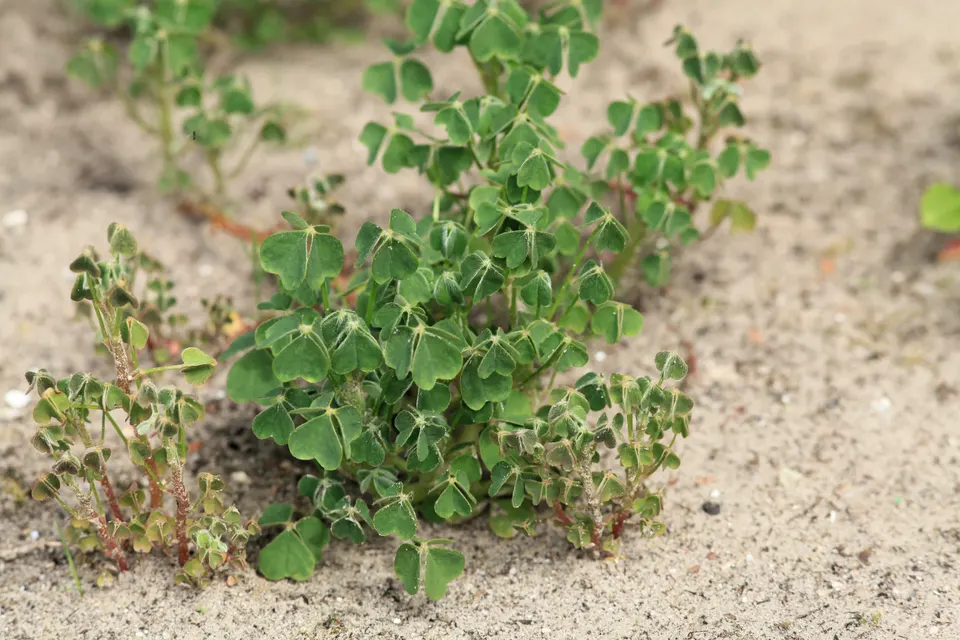
Oca is an Andean tuber crop, a relative of potato with vividly colored roots in reds, yellows, and oranges, and a genuine growing quirk that sets it apart from anything else here.
It waits for short days to start tubering
Most oca varieties won’t begin forming tubers until day length drops to 12 hours or less, which doesn’t happen until after the fall equinox around September 22. From there it needs about 6 more weeks of frost-free growth to size the tubers up, which lands a typical good harvest around late November in most of the US. That makes a gardener’s job less about total days to maturity and more about keeping the plant alive and frost-free deep into fall.
Cool summers, not hot ones
Oca thrives where summer temperatures stay under 85°F for extended periods, and tolerates daytime heat far better if nights cool into the low 70s or below. It’s most reliable in cool-maritime climates like the Pacific Northwest west of the Cascades; elsewhere, some afternoon shade during the hottest part of summer helps it along. Zones with mild but hot summers, even within its hardiness range, can leave it sulking through July and August before it picks back up in fall.
Grow it and dig it like a potato
Plant whole tubers, or seed pieces with at least two eyes, about 2 to 3 inches deep after the last frost, spaced roughly 18 inches apart in the row. It’s only reliably winter-hardy to about zone 9a, so in almost the entire country it’s grown as an annual: dig the tubers in late fall, store them, and replant the following spring, the same rhythm as potato.
Oca has no well-established companion pairings, and nothing it needs to be kept away from. In the Garden Designer, plan on it occupying its space through a long fall season rather than freeing up the bed early.
Source: Oca (Oxalis tuberosa), Cultivariable.
Companion planting guide for Oca · Find your planting dates
Typically viable in USDA zones 6-9. Not sure your zone? Look it up by ZIP code.
Mature height: 0.5-1.5 ft
Method: Direct sow: Direct-sow outside. It doesn't transplant well, or doesn't need the extra time indoors.
When to plant oca, by zone
Every zone oca grows in. Pick your zone in the header and it will be highlighted here. Each zone links to its full page.
| Zone | Start indoors | Sow or plant out | Harvest |
|---|---|---|---|
| 6a & 6b | Not usually | Apr 25–May 2 | Nov 21–Nov 28 |
| 7a & 7b | Not usually | Apr 10–Apr 17 | Nov 6–Nov 13 |
| 8a & 8b | Not usually | Mar 25–Apr 1 | Oct 21–Oct 28 |
| 9a & 9b | Not usually | Feb 15–Feb 22 | Sep 13–Sep 20 |
Harvest dates are about 210 days after the sow or plant-out date.
See exact start-indoors, direct-sow, and harvest dates for your zone →
How many Oca plants fit per square foot?
Spacing: 1 per square foot (square-foot-gardening spacing). Mature height: 0.5-1.5 ft.
Varieties worth considering
- 'New Zealand Red': Cultivariable reports this large variety produced their greatest yields on wider, 24-inch spacing, more room than the standard 18-inch spacing most oca wants. (source)
Why each variety is listed comes from the source shown next to it. We haven't grown these ourselves yet, so treat this as a research-backed starting point, not a personal endorsement. The buy links are separate from those sources: they go to seed suppliers that sell that exact variety, and we may earn a commission on some of them.
Where to buy oca seeds
None of the seed suppliers we list carries oca seeds right now. A local garden center or a specialty seed house is the place to look.
As an Amazon Associate we earn from qualifying purchases. Some links on this page also go to other retailers we may earn a commission from as an affiliate, at no extra cost to you. We only recommend products with a clear consensus of positive, independent reviews, or ones we bought and use ourselves. Each item on our gear page says which.
See it growing
Search YouTube for "growing oca" videos → (a live search, not a hand-picked video; results vary and aren't vetted by us)

Pin this for later
Growing Oca: An Andean relative of potato with vividly colored tubers and a genuine climate quirk: it only starts bulking up tubers after the fall equinox.
Save to Pinterest