Growing Love-in-a-Mist (Nigella): A Complete Profile
By Growing Home Greens Team · July 29, 2026
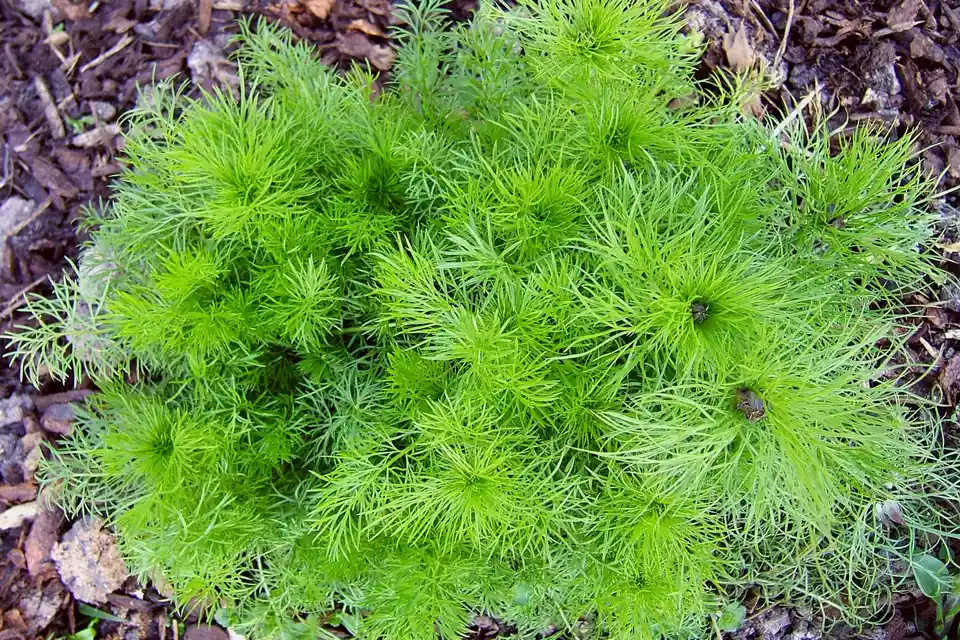
Nigella, commonly sold as love-in-a-mist, is grown for its delicate, ferny foliage and pale blue or white blooms, followed by ornamental seed pods that are often as valued as the flower itself.
Sowing it where it will stay
Direct-sow only. Nigella’s taproot resents disturbance, so starting it indoors for later transplant doesn’t work well. Sow about 2 weeks before your last frost, a quarter inch deep. Expect about 75 days to first bloom. Sow a fresh batch every few weeks through the cool part of the season for continuous bloom instead of one single flush.
Low-maintenance, with one rule
Nigella asks for little beyond resisting the urge to start it indoors or transplant volunteer seedlings. Leave it where it sprouts. The seed pods that follow the blooms are worth leaving in place rather than deadheading away; they provide late-season shelter for beneficial insects and are popular cut for dried arrangements.
Direct-sow it where it will stay for good
Nigella has no well-established companion pairings, and nothing it needs to be kept away from. Because it dislikes disturbance, direct-sow it in its final spot in the Garden Designer from the start rather than planning to move it later.
Sources: Love-in-a-Mist, Nigella damascena, Wisconsin Horticulture (University of Wisconsin-Madison Extension).
Companion planting guide for Love-in-a-Mist (Nigella) · Find your planting dates
Typically viable in USDA zones 2-10. Not sure your zone? Look it up by ZIP code.
Mature height: 1-2 ft
Method: Direct sow: Direct-sow outside. It doesn't transplant well, or doesn't need the extra time indoors.
When to plant love-in-a-mist (nigella), by zone
Every zone love-in-a-mist (nigella) grows in. Pick your zone in the header and it will be highlighted here. Each zone links to its full page.
| Zone | Start indoors | Sow or plant out | Bloom |
|---|---|---|---|
| 2a & 2b | Not usually | May 6–May 13 | Jul 20–Jul 27 |
| 3a & 3b | Not usually | May 16–May 23 | Jul 30–Aug 6 |
| 4a & 4b | Not usually | May 1–May 8 | Jul 15–Jul 22 |
| 5a & 5b | Not usually | Apr 26–May 3 | Jul 10–Jul 17 |
| 6a & 6b | Not usually | Apr 11–Apr 18 | Jun 25–Jul 2 |
| 7a & 7b | Not usually | Mar 27–Apr 3 | Jun 10–Jun 17 |
| 8a & 8b | Not usually | Mar 11–Mar 18 | May 25–Jun 1 |
| 9a & 9b | Not usually | Feb 1–Feb 8 | Apr 17–Apr 24 |
| 10a & 10bFall window | Not usually | Oct–Mar | ~75 days after direct-sowing |
Bloom dates are about 75 days after the sow or plant-out date.
Zone 2 sows before zone 3 here, which looks wrong and is not. USDA zones rank winter cold, not season length, and zone 2 is mostly interior Alaska, where hard winters come with warm summers. More on what a zone measures.
See exact start-indoors, direct-sow, and harvest dates for your zone →
How many Love-in-a-Mist (Nigella) plants fit per square foot?
Spacing: 4 per square foot (square-foot-gardening spacing). Mature height: 1-2 ft.
Varieties worth considering
- Miss Jekyll (Nigella damascena): The University of Wisconsin's horticulture program calls it the result of many years of careful selection and the most commonly offered nigella cultivar, which is a useful shortcut: it's what most seed racks default to, with soft blue, semi-double flowers, so you're unlikely to end up disappointed by an unnamed mix. (source) Buy seeds: Botanical Interests
- 'Persian Jewels' series: Wisconsin Extension describes a mixture of mauve, lavender, purple, rose, light blue and white double flowers, a wider color range than Miss Jekyll's soft blue if you want variety in a single planting rather than one consistent color. (source)
- 'Oxford Blue': Also listed by Wisconsin Extension as a tall variety with dark seed pods and deep blue flowers, a richer blue than Miss Jekyll and with showier pods for the dried-arrangement use this plant is partly grown for. (source)
Why each variety is listed comes from the source shown next to it. We haven't grown these ourselves yet, so treat this as a research-backed starting point, not a personal endorsement. The buy links are separate from those sources: they go to seed suppliers that sell that exact variety, and we may earn a commission on some of them.
Where to buy love-in-a-mist seeds
The varieties we recommend above each have their own buy links, for the suppliers that sell that exact variety.
As an Amazon Associate we earn from qualifying purchases. Some links on this page also go to other retailers we may earn a commission from as an affiliate, at no extra cost to you. We only recommend products with a clear consensus of positive, independent reviews, or ones we bought and use ourselves. Each item on our gear page says which.
See it growing
Search YouTube for "growing love-in-a-mist (nigella)" videos → (a live search, not a hand-picked video; results vary and aren't vetted by us)

Pin this for later
Growing Love-in-a-Mist (Nigella): A direct-sow-only flower with a taproot that resents disturbance, and seed pods worth leaving up after the bloom fades.
Save to Pinterest