Growing Mâche (Corn Salad): A Complete Profile
By Growing Home Greens Team · August 10, 2026
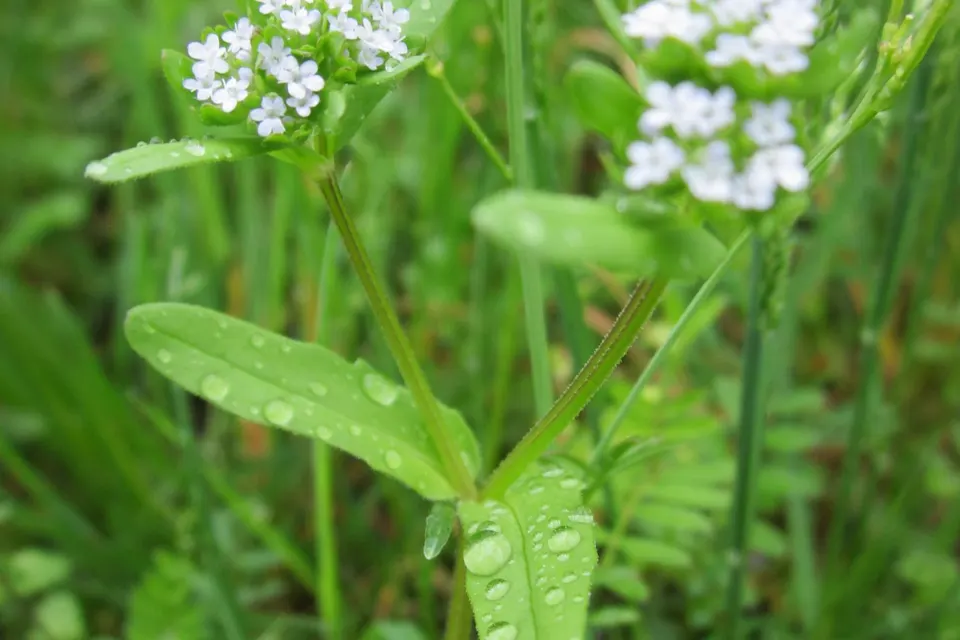
Mâche, also called corn salad or lamb’s lettuce, is a mild, nutty winter salad green with an unusual quirk: it prefers cold over heat, and its seed goes dormant above 70°F rather than simply germinating slowly.
A cold-weather specialist
Direct-seed only, any time soil temperatures sit between 41 and 68°F. Do not sow once soil has exceeded 68°F, since germination stalls out entirely. Germination itself is slow even in ideal conditions, taking 10 to 14 days. Sow 1 inch apart in rows 4 to 18 inches apart, thinned to 3 inches. This temperature preference makes mâche a strong candidate for a cold frame, unheated tunnel, or open winter field in mild climates, where warmer-season greens would simply refuse to sprout.
Harvest whole young rosettes
Cut young rosettes at the root attachment when they reach 2 to 3 inches tall, taking the entire small plant rather than individual leaves. Mâche works well eaten alone or blended into a salad mix.
Mâche has no well-established companion pairings, and nothing it needs to be kept away from. At 9 plants per square foot, it’s a dense, cold-season crop for the Garden Designer, best planned for the coldest stretch of the growing calendar rather than alongside summer greens.
Source: Mâche / Corn Salad: Key Growing Information, Johnny’s Selected Seeds.
Companion planting guide for Mâche (Corn Salad) · Find your planting dates
Typically viable in USDA zones 2-11. Not sure your zone? Look it up by ZIP code.
Mature height: 2-4 in
Method: Direct sow: Direct-sow outside. It doesn't transplant well, or doesn't need the extra time indoors.
When to plant mâche (corn salad), by zone
Every zone mâche (corn salad) grows in. Pick your zone in the header and it will be highlighted here. Each zone links to its full page.
| Zone | Start indoors | Sow or plant out | Harvest |
|---|---|---|---|
| 2a & 2b | Not usually | Apr 22–Apr 29 | Jun 11–Jun 18 |
| 3a & 3b | Not usually | May 2–May 9 | Jun 21–Jun 28 |
| 4a & 4b | Not usually | Apr 17–Apr 24 | Jun 6–Jun 13 |
| 5a & 5b | Not usually | Apr 12–Apr 19 | Jun 1–Jun 8 |
| 6a & 6b | Not usually | Mar 28–Apr 4 | May 17–May 24 |
| 7a & 7b | Not usually | Mar 13–Mar 20 | May 2–May 9 |
| 8a & 8b | Not usually | Feb 25–Mar 4 | Apr 16–Apr 23 |
| 9a & 9b | Not usually | Jan 18–Jan 25 | Mar 9–Mar 16 |
| 10a & 10b | Not usually | Jan 2–Jan 9 | Feb 21–Feb 28 |
| 11a & 11b | Not usually | Dec 4–Dec 11 | Jan 23–Jan 30 |
Harvest dates are about 50 days after the sow or plant-out date.
Zone 2 sows before zone 3 here, which looks wrong and is not. USDA zones rank winter cold, not season length, and zone 2 is mostly interior Alaska, where hard winters come with warm summers. More on what a zone measures.
See exact start-indoors, direct-sow, and harvest dates for your zone →
How many Mâche (Corn Salad) plants fit per square foot?
Spacing: 9 per square foot (square-foot-gardening spacing). Mature height: 2-4 in.
Varieties worth considering
- 'Vit' mâche: Johnny's Selected Seeds' primary mâche offering, described as mild-tasting and slightly nutty, called the ideal winter salad item; there's little named-cultivar diversity beyond it in the seed trade this plant is sold through. (source) Buy seeds: Burpee · High Mowing Organic Seeds
Why each variety is listed comes from the source shown next to it. We haven't grown these ourselves yet, so treat this as a research-backed starting point, not a personal endorsement. The buy links are separate from those sources: they go to seed suppliers that sell that exact variety, and we may earn a commission on some of them.
Where to buy mâche seeds
High Mowing Organic Seeds (each supplier's mâche seeds)
The varieties we recommend above each have their own buy links, for the suppliers that sell that exact variety.
As an Amazon Associate we earn from qualifying purchases. Some links on this page also go to other retailers we may earn a commission from as an affiliate, at no extra cost to you. We only recommend products with a clear consensus of positive, independent reviews, or ones we bought and use ourselves. Each item on our gear page says which.
See it growing
Search YouTube for "growing mâche (corn salad)" videos → (a live search, not a hand-picked video; results vary and aren't vetted by us)

Pin this for later
Growing Mâche (Corn Salad): A mild, nutty winter salad green that prefers cold over heat, with seed that goes dormant above 70F, the opposite problem most greens have.
Save to Pinterest