Growing Luffa Gourd: A Complete Profile
By Growing Home Greens Team · August 10, 2026
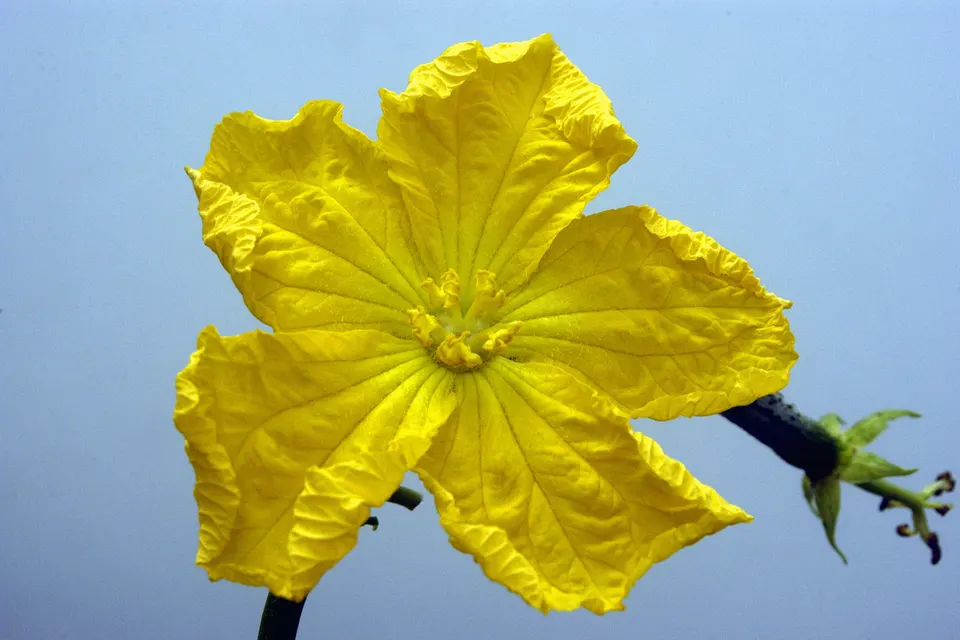
Luffa gourd is a dual-purpose crop: pick the fruit young and it eats like a mild summer squash, or leave it on the vine to mature and dry, at which point the inside cures into the fibrous, all-natural sponge sold in stores.
A long-season crop, start warm
This is a 125-day crop, long by cucurbit standards, so northern gardeners should start it as a transplant in a warm location rather than direct-seeding, which doesn’t leave enough season to spare. Space plants 36 to 48 inches apart. The vines are long and vigorous, with a natural tolerance to many of the diseases and pests that trouble other cucurbits.
Give it something to climb
A trellis or other support is worth setting up before the vines take off. It keeps the maturing gourds off the ground, which makes both harvest and the eventual sponge-curing process easier than fishing fruit out of a sprawling vine on the soil.
Two harvest paths
Pick immature fruit young to eat, similar to zucchini or another summer squash. For sponges, let the fruit mature and dry fully on the vine before curing; average mature weight runs 1 to 1.5 pounds.
Luffa gourd has no well-established companion pairings, and nothing it needs to be kept away from. Given its long vine and trellis need, it fits the Garden Designer best along a fence line or dedicated vertical structure rather than a compact bed.
Source: Luffa Gourd, Johnny’s Selected Seeds.
Companion planting guide for Luffa Gourd · Find your planting dates
Typically viable in USDA zones 4-11. Not sure your zone? Look it up by ZIP code.
Mature height: 8-15 ft
Method: Either: Start indoors for an earlier harvest, or direct-sow outside for less fuss. Either works.
When to plant luffa gourd, by zone
Every zone luffa gourd grows in. Pick your zone in the header and it will be highlighted here. Each zone links to its full page.
| Zone | Start indoors | Sow or plant out | Harvest |
|---|---|---|---|
| 4a & 4b | Apr 17–Apr 24 | May 22–May 29 | Sep 24–Oct 1 |
| 5a & 5b | Apr 12–Apr 19 | May 17–May 24 | Sep 19–Sep 26 |
| 6a & 6b | Mar 28–Apr 4 | May 2–May 9 | Sep 4–Sep 11 |
| 7a & 7b | Mar 13–Mar 20 | Apr 17–Apr 24 | Aug 20–Aug 27 |
| 8a & 8b | Feb 25–Mar 4 | Apr 1–Apr 8 | Aug 4–Aug 11 |
| 9a & 9b | Jan 18–Jan 25 | Feb 22–Mar 1 | Jun 27–Jul 4 |
| 10a & 10b | Jan 2–Jan 9 | Feb 6–Feb 13 | Jun 11–Jun 18 |
| 11a & 11b | Dec 4–Dec 11 | Jan 8–Jan 15 | May 13–May 20 |
Harvest dates are about 125 days after the sow or plant-out date, not after starting seeds indoors.
See exact start-indoors, direct-sow, and harvest dates for your zone →
How many Luffa Gourd plants fit per square foot?
Spacing: about 4 square feet per plant (square-foot-gardening spacing). Mature height: 8-15 ft.
Varieties worth considering
- Straight-species luffa (Luffa aegyptiaca): Johnny's Selected Seeds sells this species plain, open-pollinated, without competing named cultivars; the growing habit and dual-purpose fruit are traits of the species itself. (source)
Why each variety is listed comes from the source shown next to it. We haven't grown these ourselves yet, so treat this as a research-backed starting point, not a personal endorsement. The buy links are separate from those sources: they go to seed suppliers that sell that exact variety, and we may earn a commission on some of them.
Where to buy luffa gourd seeds
Botanical Interests (luffa gourd seeds)
As an Amazon Associate we earn from qualifying purchases. Some links on this page also go to other retailers we may earn a commission from as an affiliate, at no extra cost to you. We only recommend products with a clear consensus of positive, independent reviews, or ones we bought and use ourselves. Each item on our gear page says which.
See it growing
Search YouTube for "growing luffa gourd" videos → (a live search, not a hand-picked video; results vary and aren't vetted by us)

Pin this for later
Growing Luffa Gourd: A dual-purpose cucurbit vine: pick it young to eat like summer squash, or let it mature and dry on the vine to cure into the all-natural sponge sold in stores.
Save to Pinterest