Growing Lemon Balm: A Complete Profile
By Growing Home Greens Team · July 29, 2026
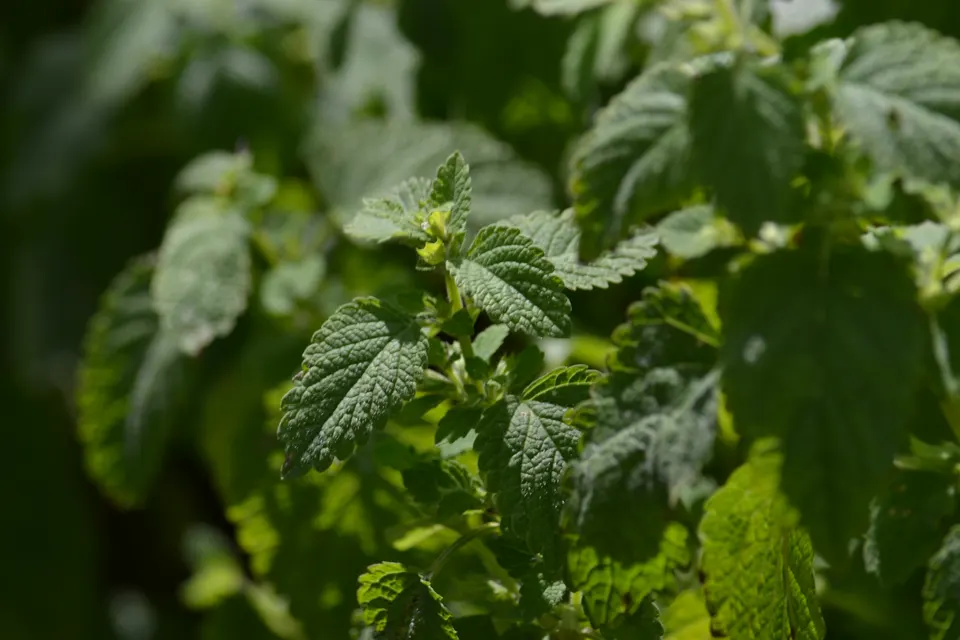
Lemon balm is a member of the mint family, and it shares mint’s biggest garden habit along with its fast growth and pleasant citrus scent: left unchecked, it spreads. If self-seeding is the part that bothers you most, the sterile ‘Compacta’ cultivar is worth seeking out over a generic packet.
Starting it and keeping it contained
Start indoors about 5 weeks before your last frost, or direct, either way sow on the soil surface and leave it uncovered, since it needs light to germinate. Set out about a week after frost. It’s fast, reaching usable size in about 65 days, and it both self-seeds and spreads by rhizome once established, a container is the simplest way to keep it from taking over a shared bed.
Reviving a tired patch
A patch that’s gone leggy or stopped producing fresh, fragrant growth just needs a hard cutback. Lemon balm bounces back quickly from a hard prune, and it’s the standard way to reinvigorate a tired-looking plant rather than replacing it.
Where to grow it
Lemon balm has no well-established companion pairings, and nothing it needs to be kept away from. Given how readily it spreads, growing it in a container placed within the Garden Designer layout is the more practical approach than planting it directly in a shared bed.
Sources: Lemon Balm, Illinois Extension.
Companion planting guide for Lemon Balm · Find your planting dates
Typically viable in USDA zones 3-10. Not sure your zone? Look it up by ZIP code.
Mature height: 1.5-2 ft
Method: Start indoors: Start indoors from seed, then transplant outside. It needs a head start most zones can't give it by direct-sowing alone.
When to plant lemon balm, by zone
Every zone lemon balm grows in. Pick your zone in the header and it will be highlighted here. Each zone links to its full page.
| Zone | Start indoors | Sow or plant out | Harvest |
|---|---|---|---|
| 3a & 3b | Apr 25–May 2 | Jun 6–Jun 13 | Aug 10–Aug 17 |
| 4a & 4b | Apr 10–Apr 17 | May 22–May 29 | Jul 26–Aug 2 |
| 5a & 5b | Apr 5–Apr 12 | May 17–May 24 | Jul 21–Jul 28 |
| 6a & 6b | Mar 21–Mar 28 | May 2–May 9 | Jul 6–Jul 13 |
| 7a & 7b | Mar 6–Mar 13 | Apr 17–Apr 24 | Jun 21–Jun 28 |
| 8a & 8b | Feb 18–Feb 25 | Apr 1–Apr 8 | Jun 5–Jun 12 |
| 9a & 9b | Jan 11–Jan 18 | Feb 22–Mar 1 | Apr 28–May 5 |
| 10a & 10bSpring window | Not usually | Feb–Apr | ~65 days after transplanting |
| Fall window | Not usually | Oct–Nov | ~65 days after transplanting |
Harvest dates are about 65 days after the sow or plant-out date, not after starting seeds indoors.
See exact start-indoors, direct-sow, and harvest dates for your zone →
How many Lemon Balm plants fit per square foot?
Spacing: 1 per square foot (square-foot-gardening spacing). Mature height: 1.5-2 ft.
Varieties worth considering
- 'Compacta' (Melissa officinalis): Illinois Extension notes 'Compacta' is sterile, its flowers don't set viable seed, so it skips half of lemon balm's spreading problem. It still runs by rhizome like any lemon balm, so a container still matters, but you won't be pulling seedlings out of the whole bed by August. (source)
- 'Aurea': Illinois Extension lists 'Aurea' among lemon balm's popular varieties for its variegated yellow foliage in spring and fall, distinct from Compacta's plain green, sterile-flowered habit. Grow it where the foliage color itself is part of the point, such as a mixed herb bed viewed up close. (source)
- Straight-species lemon balm (Melissa officinalis): The plain species most seed catalogs sell, plain green leaves without Compacta's sterility or Aurea's variegation. It self-seeds and spreads by rhizome more readily than either named cultivar, so it's the one to skip if spreading is your main concern. (source)
Why each variety is listed comes from the source shown next to it. We haven't grown these ourselves yet, so treat this as a research-backed starting point, not a personal endorsement. The buy links are separate from those sources: they go to seed suppliers that sell that exact variety, and we may earn a commission on some of them.
Where to buy lemon balm seeds
Botanical Interests · True Leaf Market · Burpee · High Mowing Organic Seeds (each supplier's lemon balm seeds)
As an Amazon Associate we earn from qualifying purchases. Some links on this page also go to other retailers we may earn a commission from as an affiliate, at no extra cost to you. We only recommend products with a clear consensus of positive, independent reviews, or ones we bought and use ourselves. Each item on our gear page says which.
See it growing
Search YouTube for "growing lemon balm" videos → (a live search, not a hand-picked video; results vary and aren't vetted by us)

Pin this for later
Growing Lemon Balm: A fast, citrus-scented mint relative that spreads readily, best kept in a container unless you want it filling the whole bed.
Save to Pinterest