Growing Lavender: A Complete Profile
By Growing Home Greens Team · July 29, 2026
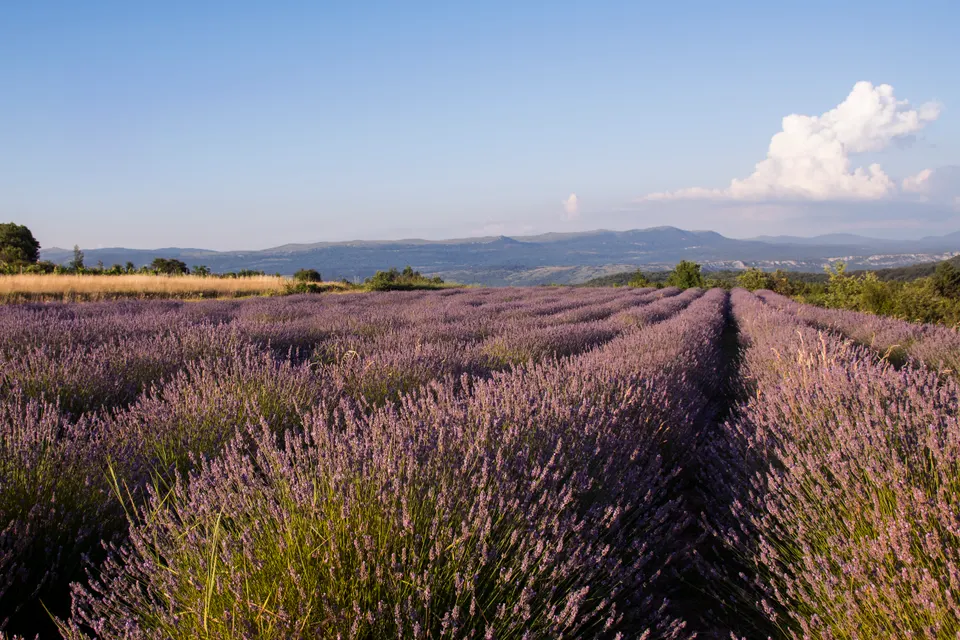
Lavender is grown as much for its fragrance and pollinator appeal as for culinary use, and it’s one of the few herbs on this site where getting the soil conditions right matters more than getting the timing right.
Which type to plant
Nurseries sell lavender under a lot of names, and not all of them are suited to an ordinary garden bed. ‘Munstead’ and ‘Hidcote’ are both English lavenders (Lavandula angustifolia), the group most tolerant of cold and humidity, and either is a reasonable default. ‘Munstead’ has plain green foliage, lighter blue-purple flowers, and blooms slightly ahead of ‘Hidcote’. ‘Hidcote’ has silver-gray foliage, darker purple flowers, and a more compact habit. Pick on looks and bloom timing rather than worrying about hardiness, since both perform well across the same range. Hybrid types like ‘Grosso’ (a lavandin) grow bigger and are prized for oil production, but they’re less cold-hardy and a poorer fit for a home herb bed.
Starting a plant
Lavender is almost always grown from a nursery start or a rooted cutting rather than seed. Seed germination is slow and unreliable, and many named cultivars don’t come true from seed anyway. Set transplants out about a week after your last frost, and expect around 100 days to a full first flush of bloom. It needs full sun and sharp drainage above almost everything else; heavy or consistently damp soil is a bigger threat to lavender than cold ever is.
What goes wrong
Root rot from wet feet is the most common way to lose a lavender plant, almost always from soil that holds too much moisture rather than from cold or pests. If drainage is a concern in your yard, a raised bed or a mound of well-draining soil is worth the extra step. Established plants are otherwise low-maintenance and drought-tolerant.
Where to put it
Lavender planted near cabbage is reputed to help repel moths, aphids, and whiteflies from nearby brassicas. See the full companion guide for lavender. Given its need for sharp drainage, place it at a bed’s driest, sunniest edge in the Garden Designer rather than mixed in with moisture-loving vegetables.
Sources: Lavender, Illinois Extension.
Companion planting guide for Lavender · Find your planting dates
Typically viable in USDA zones 5-10. Not sure your zone? Look it up by ZIP code.
Mature height: 1-2.5 ft
Method: Buy as a start: Buy as a nursery start and transplant outside. It's slow or unreliable from seed, so most gardeners skip seed-starting it entirely.
When to plant lavender, by zone
Every zone lavender grows in. Pick your zone in the header and it will be highlighted here. Each zone links to its full page.
| Zone | Start indoors | Sow or plant out | Harvest |
|---|---|---|---|
| 5a & 5b | Buy as a start | May 17–May 24 | Aug 25–Sep 1 |
| 6a & 6b | Buy as a start | May 2–May 9 | Aug 10–Aug 17 |
| 7a & 7b | Buy as a start | Apr 17–Apr 24 | Jul 26–Aug 2 |
| 8a & 8b | Buy as a start | Apr 1–Apr 8 | Jul 10–Jul 17 |
| 9a & 9b | Buy as a start | Feb 22–Mar 1 | Jun 2–Jun 9 |
| 10a & 10bFall window | Buy as a start | Oct–Apr | ~100 days after transplanting |
Harvest dates are about 100 days after the sow or plant-out date.
See exact start-indoors, direct-sow, and harvest dates for your zone →
How many Lavender plants fit per square foot?
Spacing: 1 per square foot (square-foot-gardening spacing). Mature height: 1-2.5 ft.
Good companions for lavender
- Cabbage: Reputed to repel moths, aphids, and whiteflies near brassicas.
Full companion guide, including what to keep away from lavender →
Varieties worth considering
- 'Munstead' or 'Hidcote' (Lavandula angustifolia): Illinois Extension lists both as compact English lavenders bred for exactly the conditions most home gardens can offer. 'Munstead' has green foliage and lighter lavender-blue flowers and blooms a little earlier; 'Hidcote' has silver-gray foliage and deeper purple flowers and stays more compact. Either is a safer bet than an unnamed seed packet, since named English cultivars are the ones best suited to garden zones 5 and up. (source) Buy seeds: Botanical Interests · True Leaf Market
- 'Phenomenal' (Lavandula x intermedia): Illinois Extension lists 'Phenomenal' as an extremely vigorous lavandin, highly tolerant of heat and humidity and resistant to common root and foliar diseases, tougher than either English cultivar in a humid climate. Choose it over Munstead or Hidcote specifically where summer humidity has killed lavender before. (source)
Why each variety is listed comes from the source shown next to it. We haven't grown these ourselves yet, so treat this as a research-backed starting point, not a personal endorsement. The buy links are separate from those sources: they go to seed suppliers that sell that exact variety, and we may earn a commission on some of them.
Where to buy lavender starts
Lavender is almost always bought as a nursery start rather than seeded. Check a local nursery or garden center; we haven't vetted online start/plant suppliers yet.
As an Amazon Associate we earn from qualifying purchases. Some links on this page also go to other retailers we may earn a commission from as an affiliate, at no extra cost to you. We only recommend products with a clear consensus of positive, independent reviews, or ones we bought and use ourselves. Each item on our gear page says which.
See it growing
Search YouTube for "growing lavender" videos → (a live search, not a hand-picked video; results vary and aren't vetted by us)

Pin this for later
Growing Lavender: A perennial herb that wants exactly the opposite of rich, moist garden soil: sun and sharp drainage are non-negotiable.
Save to Pinterest