Growing Hyssop: A Complete Profile
By Growing Home Greens Team · August 10, 2026
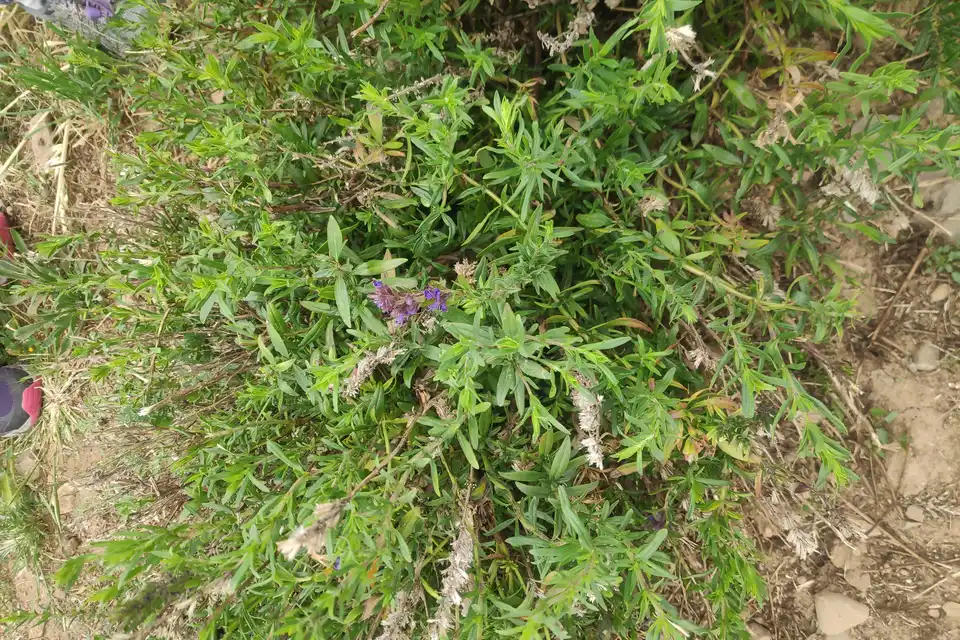
Hyssop is a woody, semi-evergreen perennial in the mint family with a strong, minty-bitter flavor that’s historically shown up more in liqueurs like Chartreuse and in potpourri than in everyday cooking. It’s grown as much for its spikes of blue flowers and the bees they attract as for any culinary use.
Sowing it
Direct-sow 1/4 inch deep in spring, or start indoors in early spring and transplant once seedlings are a few inches tall. Germination is slow and uneven, taking anywhere from 5 to 21 days. Space plants 6 to 12 inches apart; mature plants reach 16 to 24 inches tall.
It’s hardy in zones 3-9 and, once established, behaves like a small, semi-woody shrub rather than a soft annual herb.
Full sun keeps it compact
Hyssop wants full sun and light, well-drained, even rocky soil. Planted in part shade, it stretches and gets leggy fast, losing the tidy, bushy habit that makes it useful as a low hedge or border plant. If a hyssop planting looks thin and floppy, insufficient sun is almost always the reason.
Harvest at the start of bloom
Gather flowering tops, or entire plants, just as blooming begins, usually in midsummer, and hang them to dry in a shaded spot. That timing captures the essential oils at their strongest, whether the goal is tea, a liqueur infusion, or dried potpourri.
Hyssop has no well-established companion pairings, and nothing it needs to be kept away from. Its compact, shrubby habit works well as a low border or hedge plant in the Garden Designer, given a permanent spot since it’s a long-lived perennial.
Source: Hyssop: Key Growing Information, Johnny’s Selected Seeds.
Companion planting guide for Hyssop · Find your planting dates
Typically viable in USDA zones 3-9. Not sure your zone? Look it up by ZIP code.
Mature height: 1.5-2 ft
Method: Either: Start indoors for an earlier harvest, or direct-sow outside for less fuss. Either works.
When to plant hyssop, by zone
Every zone hyssop grows in. Pick your zone in the header and it will be highlighted here. Each zone links to its full page.
| Zone | Start indoors | Sow or plant out | Harvest |
|---|---|---|---|
| 3a & 3b | Apr 4–Apr 11 | Jun 6–Jun 13 | Aug 30–Sep 6 |
| 4a & 4b | Mar 20–Mar 27 | May 22–May 29 | Aug 15–Aug 22 |
| 5a & 5b | Mar 15–Mar 22 | May 17–May 24 | Aug 10–Aug 17 |
| 6a & 6b | Feb 28–Mar 7 | May 2–May 9 | Jul 26–Aug 2 |
| 7a & 7b | Feb 13–Feb 20 | Apr 17–Apr 24 | Jul 11–Jul 18 |
| 8a & 8b | Jan 28–Feb 4 | Apr 1–Apr 8 | Jun 25–Jul 2 |
| 9a & 9b | Dec 21–Dec 28 | Feb 22–Mar 1 | May 18–May 25 |
Harvest dates are about 85 days after the sow or plant-out date, not after starting seeds indoors.
See exact start-indoors, direct-sow, and harvest dates for your zone →
How many Hyssop plants fit per square foot?
Spacing: 1 per square foot (square-foot-gardening spacing). Mature height: 1.5-2 ft.
Good companions for hyssop
- Cabbage: Penn State Extension's herb-companion roundup lists hyssop as a traditional cole-crop companion, without describing a specific tested mechanism the way it does for basil/tomato or thyme/cole-crop pairings on the same page. Treat this as extension-repeated garden tradition, not a measured result.
Full companion guide, including what to keep away from hyssop →
Varieties worth considering
- Straight-species hyssop (Hyssopus officinalis): Johnny's Selected Seeds sells it as the plain species. A few color forms exist in specialty catalogs (pink- and white-flowered types alongside the standard blue), but the straight species is what most seed packets sell and what most gardens grow. (source)
Why each variety is listed comes from the source shown next to it. We haven't grown these ourselves yet, so treat this as a research-backed starting point, not a personal endorsement. The buy links are separate from those sources: they go to seed suppliers that sell that exact variety, and we may earn a commission on some of them.
Where to buy hyssop seeds
Botanical Interests · True Leaf Market (each supplier's hyssop seeds)
As an Amazon Associate we earn from qualifying purchases. Some links on this page also go to other retailers we may earn a commission from as an affiliate, at no extra cost to you. We only recommend products with a clear consensus of positive, independent reviews, or ones we bought and use ourselves. Each item on our gear page says which.
See it growing
Search YouTube for "growing hyssop" videos → (a live search, not a hand-picked video; results vary and aren't vetted by us)

Pin this for later
Growing Hyssop: A woody, semi-evergreen mint relative grown more for liqueurs and potpourri than the kitchen, with a strong, minty-bitter flavor that isn't for everyone.
Save to Pinterest