Growing Hyacinth Bean Vine: A Complete Profile
By Growing Home Greens Team · July 18, 2026
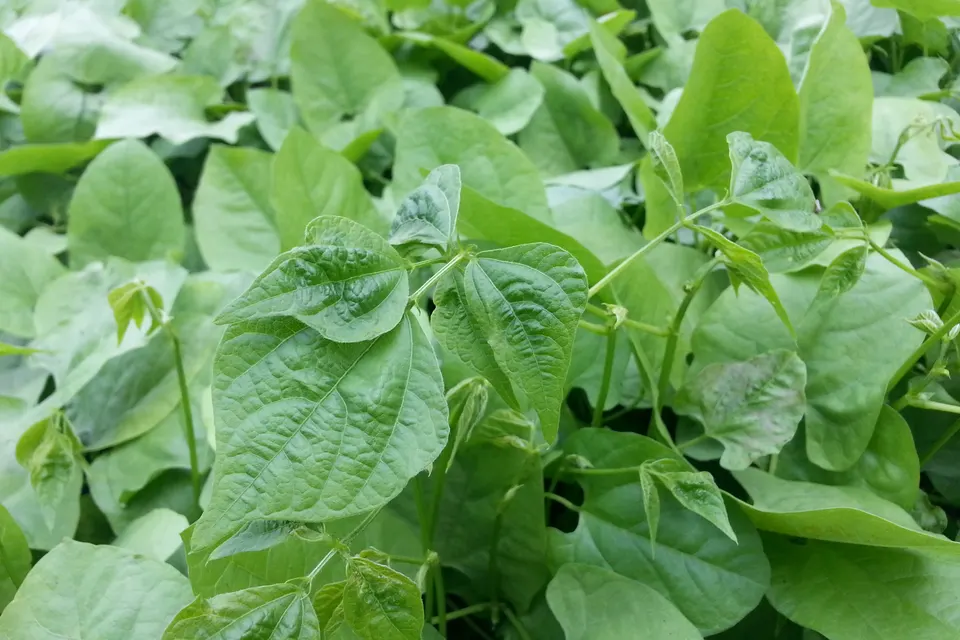
Hyacinth bean is a climbing vine, not a bush, and it needs to be treated that way from the start: this is a vigorous twiner that reaches 6-12 feet in a season and will look for the nearest support to grab onto, so a sturdy trellis has to be in place before or at planting, not added later as an afterthought.
Soaking the seed, and waiting for warm soil
Soak seed overnight before sowing, and don’t rush the timing. This vine germinates poorly in cool soil, so wait until about 3 weeks after your last frost when the ground has warmed. Once it takes off, expect fast, twining growth that needs a real trellis or fence to climb, not a token stake. It’s only a true perennial in zones 10-11; everywhere else, it’s grown fresh each year as an annual. Plant 1 per square foot at the base of its support.
Weak germination traces back to cold soil
Weak or absent germination is almost always a soil-temperature issue. If seed was sown into soil that hadn’t fully warmed, or wasn’t soaked first, expect a poor stand. A vine that’s sprawling across the ground instead of climbing usually means the trellis went in too late or wasn’t sturdy enough for how aggressively this plant grows once established.
A trellis plant, not open bed space
Hyacinth bean has no well-established companion pairings, and nothing it needs to be kept away from. Because it needs a trellis, plan its placement in the Garden Designer against a fence, arbor, or dedicated support structure rather than in open bed space shared with low-growing vegetables.
Companion planting guide for Hyacinth Bean Vine · Find your planting dates
Typically viable in USDA zones 2-11. Not sure your zone? Look it up by ZIP code.
Mature height: 6-12 ft
Method: Direct sow: Direct-sow outside. It doesn't transplant well, or doesn't need the extra time indoors.
When to plant hyacinth bean vine, by zone
Every zone hyacinth bean vine grows in. Pick your zone in the header and it will be highlighted here. Each zone links to its full page.
| Zone | Start indoors | Sow or plant out | Bloom |
|---|---|---|---|
| 2a & 2b | Not usually | Jun 10–Jun 17 | Sep 8–Sep 15 |
| 3a & 3b | Not usually | Jun 20–Jun 27 | Sep 18–Sep 25 |
| 4a & 4b | Not usually | Jun 5–Jun 12 | Sep 3–Sep 10 |
| 5a & 5b | Not usually | May 31–Jun 7 | Aug 29–Sep 5 |
| 6a & 6b | Not usually | May 16–May 23 | Aug 14–Aug 21 |
| 7a & 7b | Not usually | May 1–May 8 | Jul 30–Aug 6 |
| 8a & 8b | Not usually | Apr 15–Apr 22 | Jul 14–Jul 21 |
| 9a & 9b | Not usually | Mar 8–Mar 15 | Jun 6–Jun 13 |
| 10a & 10b | Not usually | Feb 20–Feb 27 | May 21–May 28 |
| 11a & 11b | Not usually | Jan 22–Jan 29 | Apr 22–Apr 29 |
Bloom dates are about 90 days after the sow or plant-out date.
Zone 2 sows before zone 3 here, which looks wrong and is not. USDA zones rank winter cold, not season length, and zone 2 is mostly interior Alaska, where hard winters come with warm summers. More on what a zone measures.
See exact start-indoors, direct-sow, and harvest dates for your zone →
How many Hyacinth Bean Vine plants fit per square foot?
Spacing: 1 per square foot (square-foot-gardening spacing). Mature height: 6-12 ft.
Varieties worth considering
- Ruby Moon: Johnny's Selected Seeds' heirloom variety, grown for its purple stems, lilac-rose blooms, and glossy magenta seed pods, good for gardeners who want ornamental and cut-flower value alongside quick coverage. (source) Buy seeds: Botanical Interests
- 'Alba': NC State Extension's Plant Toolbox describes this white-flowered cultivar as vigorous and good in summer heat. The pick if Ruby Moon's purple stems and lilac-rose blooms don't fit the color scheme you're after. (source)
- 'Giganteus': A robust type NC State lists with large tropical-looking leaves and purple flowers. Worth choosing over Ruby Moon if you want more foliage coverage on the trellis, not just flowers and pods. (source)
Why each variety is listed comes from the source shown next to it. We haven't grown these ourselves yet, so treat this as a research-backed starting point, not a personal endorsement. The buy links are separate from those sources: they go to seed suppliers that sell that exact variety, and we may earn a commission on some of them.
Where to buy hyacinth bean vine seeds
The varieties we recommend above each have their own buy links, for the suppliers that sell that exact variety.
As an Amazon Associate we earn from qualifying purchases. Some links on this page also go to other retailers we may earn a commission from as an affiliate, at no extra cost to you. We only recommend products with a clear consensus of positive, independent reviews, or ones we bought and use ourselves. Each item on our gear page says which.
See it growing
Search YouTube for "growing hyacinth bean vine" videos → (a live search, not a hand-picked video; results vary and aren't vetted by us)

Pin this for later
Growing Hyacinth Bean Vine: A fast, twining ornamental vine with edible flowers and striking magenta pods, but one that needs sturdy trellis support and warm soil to get going.
Save to Pinterest