Growing Goji Berry: A Complete Profile
By Growing Home Greens Team · August 10, 2026
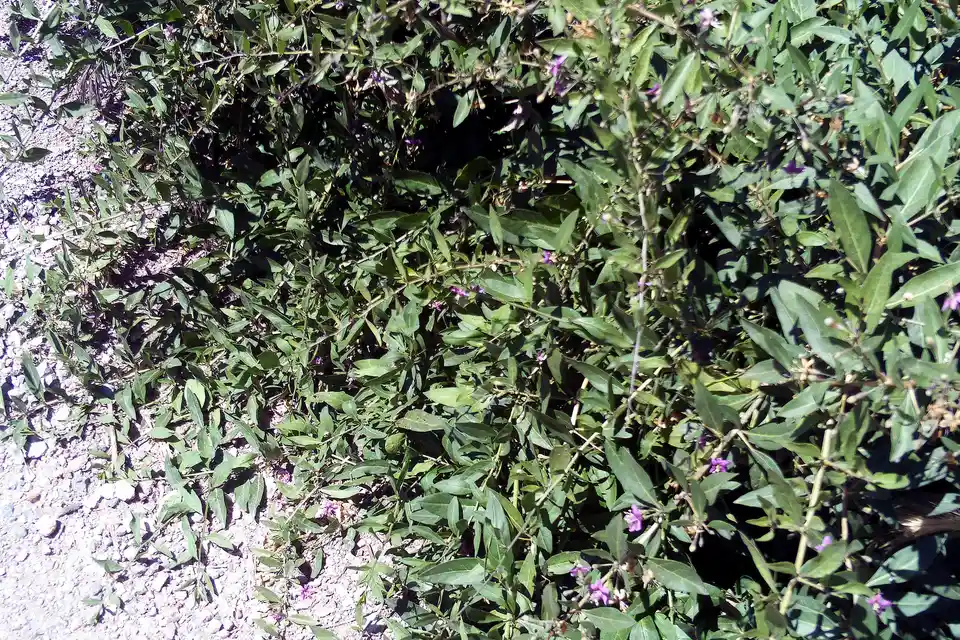
Goji berry, also called wolfberry, is a relative of tomato and pepper that shares some of their cultural needs, notably a taste for slightly alkaline soil rather than the acidic conditions most fruiting shrubs prefer.
Soil and site
Plant in full sun, though some shade is tolerated. Goji prefers slightly alkaline soil with a pH of 7 to 8 and a light loam, but tolerates a wide range of soil types. Fruit quality is best in hot, dry conditions and drops off in cool, humid weather, unusual for a fruiting shrub. It’s self-fruitful, so a single plant sets fruit without needing a second variety nearby.
Spacing and a tendency to spread
Give a single plant 4 to 5 feet of room in all directions. For hedges or windbreaks, space 2 to 4 feet apart within a row and 6 to 8 feet between rows. Keep an eye on suckering; goji spreads by suckers and seed and is considered a weed in some areas if left unmanaged.
A slow start, then years of fruit
Plants begin fruiting at 2 years old but don’t reach full production until 3 to 5 years in. Fruit forms on the current year’s wood, so annual pruning that encourages new growth directly boosts yield. Harvest by hand once berries reach full color, pulling gently to the side rather than straight up to avoid stripping too much stem.
Goji berry has no well-established companion pairings, and nothing it needs to be kept away from. Given its heat and drought tolerance, it’s a good fruiting option for a tough, sunny spot in the Garden Designer that other berries would struggle in.
Source: How to Grow Goji Berries In Your Garden, Utah State University Extension.
Companion planting guide for Goji Berry · Find your planting dates
Typically viable in USDA zones 4-7. Not sure your zone? Look it up by ZIP code.
Mature height: 3-6 ft
Method: Buy as a start: Buy as a nursery start and transplant outside. It's slow or unreliable from seed, so most gardeners skip seed-starting it entirely.
When to plant goji berry, by zone
Every zone goji berry grows in. Pick your zone in the header and it will be highlighted here. Each zone links to its full page.
| Zone | Start indoors | Sow or plant out | Harvest |
|---|---|---|---|
| 4a & 4b | Buy as a start | May 1–May 8 | First real harvest in year 3 |
| 5a & 5b | Buy as a start | Apr 26–May 3 | First real harvest in year 3 |
| 6a & 6b | Buy as a start | Apr 11–Apr 18 | First real harvest in year 3 |
| 7a & 7b | Buy as a start | Mar 27–Apr 3 | First real harvest in year 3 |
See exact start-indoors, direct-sow, and harvest dates for your zone →
How many Goji Berry plants fit per square foot?
Spacing: about 20 square feet per plant (square-foot-gardening spacing). Mature height: 3-6 ft.
Varieties worth considering
- 'Crimson Star' goji berry: Utah State University Extension lists this (also known as Ningxia #1) as one of the few named cultivars currently available in U.S. markets, beginning to bear 1 to 2 years after planting. (source)
- 'Vermilion Sunset®' goji berry (best for: ornamental value, arching habit): Stark Bro's Nursery describes this as having long, arching stems with lavender flowers and bright red-orange fruit, a more ornamental-looking selection than the plain species. (source)
Why each variety is listed comes from the source shown next to it. We haven't grown these ourselves yet, so treat this as a research-backed starting point, not a personal endorsement. The buy links are separate from those sources: they go to seed suppliers that sell that exact variety, and we may earn a commission on some of them.
Where to buy goji berry starts
Goji berry is almost always bought as a nursery start rather than seeded. Check a local nursery or garden center; we haven't vetted online start/plant suppliers yet.
As an Amazon Associate we earn from qualifying purchases. Some links on this page also go to other retailers we may earn a commission from as an affiliate, at no extra cost to you. We only recommend products with a clear consensus of positive, independent reviews, or ones we bought and use ourselves. Each item on our gear page says which.
See it growing
Search YouTube for "growing goji berry" videos → (a live search, not a hand-picked video; results vary and aren't vetted by us)

Pin this for later
Growing Goji Berry: A relative of tomato and pepper that shares some of their cultural needs, notably a taste for slightly alkaline soil rather than the acidic conditions most berries prefer.
Save to Pinterest