Growing Gladiolus: A Complete Profile
By Growing Home Greens Team · July 18, 2026
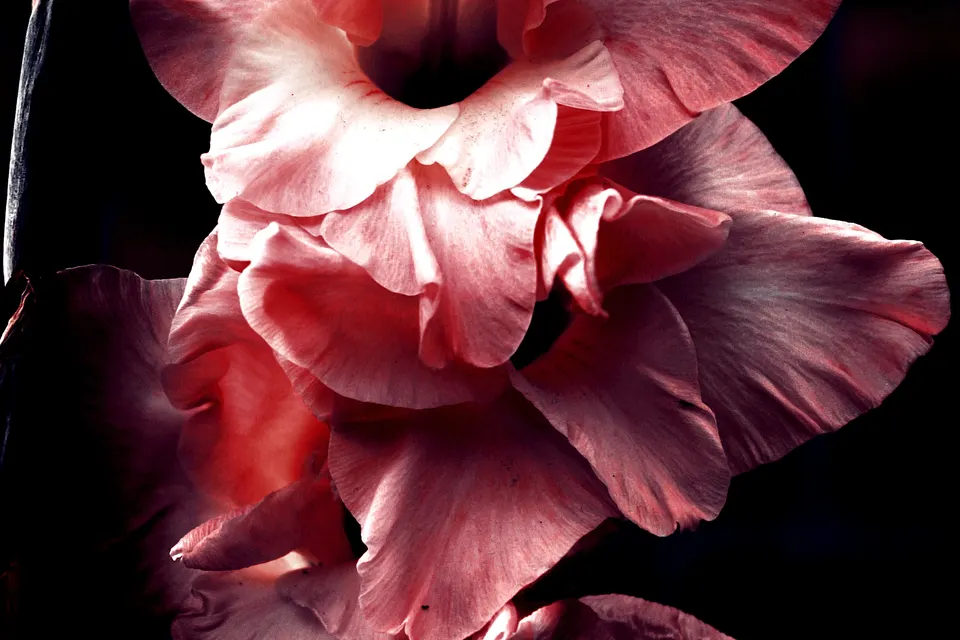
Gladiolus is the one bulb crop in this group that runs on the opposite calendar from tulips, daffodils, and the rest. It’s planted in spring, not fall, and blooms the same summer instead of waiting through winter, sending up 2- to 4-foot spikes lined with ruffled, trumpet-shaped flowers in almost any color you can order.
Staggering plantings every two weeks
Plant corms in spring, about 2 weeks before your last frost date, and keep planting new batches every 2 weeks through early July if you want continuous bloom instead of one big flush. Each planting takes roughly 90 days to bloom. Gladiolus grows an unusually wide range, zones 2-11, but that hardiness rating is deceptive: reliable perennializing only holds up in zones 7-8 with winter mulch. Everywhere colder, treat it like a summer bulb you dig up in fall.
Corms left in the ground over winter is the expected loss
Corms that rot or don’t come back the following year in zone 6 or colder are usually just left in the ground over winter. This isn’t a disease or a mistake, it’s the expected outcome outside zones 7-8, and digging corms up after foliage dies back in fall (then storing them dry and cool) is the standard fix. Tall flower spikes that flop over are a staking problem more than a growing one; taller varieties especially benefit from support, while compact types are bred to stand on their own. Thin or stunted growth is often a spacing issue. Gladiolus is usually planted at only about 2 per square foot, sparser than most of the other bulbs here.
A summer bloomer on the opposite calendar
Gladiolus blooms through summer rather than spring, filling a different slot in the calendar than the fall-planted bulbs. See the full companion guide for gladiolus for pairings that bloom alongside it. Its taller, upright habit and wide 2-per-square-foot spacing make it a good back-of-bed choice in the Garden Designer, and staggering plantings every two weeks is worth mapping out there directly.
Companion planting guide for Gladiolus · Find your planting dates
Typically viable in USDA zones 2-11. Not sure your zone? Look it up by ZIP code.
Mature height: 2-4 ft
Method: Direct sow: Direct-sow outside. It doesn't transplant well, or doesn't need the extra time indoors.
When to plant gladiolus, by zone
Every zone gladiolus grows in. Pick your zone in the header and it will be highlighted here. Each zone links to its full page.
| Zone | Start indoors | Sow or plant out | Bloom |
|---|---|---|---|
| 2a & 2b | Not usually | May 6–May 13 | Aug 4–Aug 11 |
| 3a & 3b | Not usually | May 16–May 23 | Aug 14–Aug 21 |
| 4a & 4b | Not usually | May 1–May 8 | Jul 30–Aug 6 |
| 5a & 5b | Not usually | Apr 26–May 3 | Jul 25–Aug 1 |
| 6a & 6b | Not usually | Apr 11–Apr 18 | Jul 10–Jul 17 |
| 7a & 7b | Not usually | Mar 27–Apr 3 | Jun 25–Jul 2 |
| 8a & 8b | Not usually | Mar 11–Mar 18 | Jun 9–Jun 16 |
| 9a & 9b | Not usually | Feb 1–Feb 8 | May 2–May 9 |
| 10a & 10bFall window | Not usually | Nov–Jan | ~90 days after direct-sowing |
| 11a & 11b | Not usually | Dec 18–Dec 25 | Mar 18–Mar 25 |
Bloom dates are about 90 days after the sow or plant-out date.
Zone 2 sows before zone 3 here, which looks wrong and is not. USDA zones rank winter cold, not season length, and zone 2 is mostly interior Alaska, where hard winters come with warm summers. More on what a zone measures.
See exact start-indoors, direct-sow, and harvest dates for your zone →
How many Gladiolus plants fit per square foot?
Spacing: 2 per square foot (square-foot-gardening spacing). Mature height: 2-4 ft.
Varieties worth considering
- 'Sapporo': NC State Extension's plant toolbox describes it as growing 3 to 3.5 feet tall with 3-4 inch pink-and-yellow flowers with a red heart, a concrete example of a mid-size, well-documented cultivar if you want something other than a generic mixed-color bag of corms. (source)
- 'Caribbean': NC State's toolbox describes a small-flowered hybrid, lavender-edged petals with light yellow centers, at 3 feet, a similar height to Sapporo but a different color pattern and a smaller-flowered type. (source)
- 'Flevo Jive': A compact type NC State lists at just 12-24 inches, white and yellow flowers, on stems that don't need support unlike the taller varieties above. The pick if staking a 3-4 foot spike isn't something you want to deal with. (source)
Why each variety is listed comes from the source shown next to it. We haven't grown these ourselves yet, so treat this as a research-backed starting point, not a personal endorsement. The buy links are separate from those sources: they go to seed suppliers that sell that exact variety, and we may earn a commission on some of them.
Where to buy gladiolus bulbs
We haven't vetted bulb/tuber suppliers yet. Our seed-supplier list doesn't carry these.
As an Amazon Associate we earn from qualifying purchases. Some links on this page also go to other retailers we may earn a commission from as an affiliate, at no extra cost to you. We only recommend products with a clear consensus of positive, independent reviews, or ones we bought and use ourselves. Each item on our gear page says which.
See it growing
Search YouTube for "growing gladiolus" videos → (a live search, not a hand-picked video; results vary and aren't vetted by us)

Pin this for later
Growing Gladiolus: The opposite season from the fall bulbs, a summer-blooming corm planted in spring, with staggered plantings for continuous bloom.
Save to Pinterest