Growing Foxglove: A Complete Profile
By Growing Home Greens Team · August 10, 2026
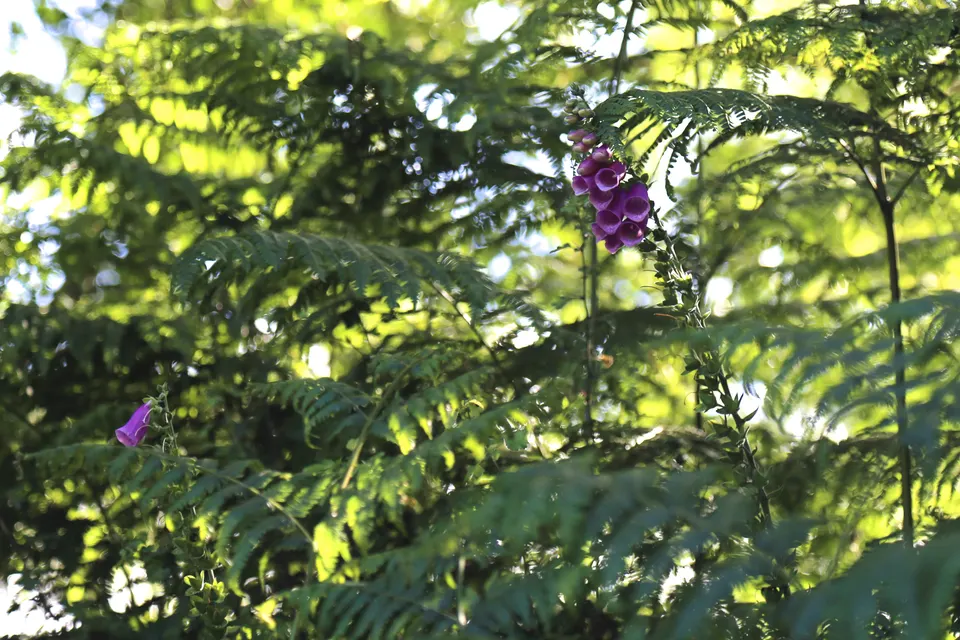
Foxglove produces some of the most dramatic flower spikes of any garden biennial, tall stalks lined with tubular, often speckled blooms. It’s also the source of digoxin, a real heart medication, which is a way of saying every part of this plant is toxic if eaten, not just mildly irritating.
A biennial that mostly waits a year
Transplanting is the recommended method: start seed indoors 10 to 12 weeks before your last frost, pressing it into the mix or leaving it uncovered since it needs light to germinate. Germination takes 14 to 21 days at 65-70°F. Space plants 9 to 18 inches apart, tighter for cut-flower rows and wider for a mixed border. It’s hardy in zones 4-8.
Most foxglove is a true biennial, spending its first year as a low rosette and only sending up its flower spike in year two. A few cultivars, like ‘Camelot’, are bred to bloom in their first year instead, worth seeking out specifically if the two-year wait doesn’t fit your plans.
A genuine toxicity, not a minor caution
Every part of foxglove is toxic if ingested, and the plant is the historical source of digitalis-based heart medications, a serious enough compound that accidental poisoning is a real medical concern. Site it somewhere pets and children won’t be tempted to touch or taste it, and wash hands after handling.
Harvest and deadheading
Cut stems for a vase once the bottom third of the flowers on a spike have opened, since the rest continue opening after cutting. Deadheading spent spikes on plants left in the garden encourages additional bloom rather than letting the plant set seed and finish for the season.
Foxglove has no well-established companion pairings, and nothing it needs to be kept away from. Its height makes it a good back-of-border anchor in the Garden Designer, placed somewhere out of reach of pets or kids given its toxicity.
Source: Foxglove (Digitalis): Key Growing Information, Johnny’s Selected Seeds.
Companion planting guide for Foxglove · Find your planting dates
Typically viable in USDA zones 4-8. Not sure your zone? Look it up by ZIP code.
Mature height: 2-5 ft
Method: Start indoors: Start indoors from seed, then transplant outside. It needs a head start most zones can't give it by direct-sowing alone.
When to plant foxglove, by zone
Every zone foxglove grows in. Pick your zone in the header and it will be highlighted here. Each zone links to its full page.
| Zone | Start indoors | Sow or plant out | Bloom |
|---|---|---|---|
| 4a & 4b | Feb 27–Mar 6 | May 22–May 29 | About a year after planting |
| 5a & 5b | Feb 22–Mar 1 | May 17–May 24 | About a year after planting |
| 6a & 6b | Feb 7–Feb 14 | May 2–May 9 | About a year after planting |
| 7a & 7b | Jan 23–Jan 30 | Apr 17–Apr 24 | About a year after planting |
| 8a & 8b | Jan 7–Jan 14 | Apr 1–Apr 8 | About a year after planting |
See exact start-indoors, direct-sow, and harvest dates for your zone →
How many Foxglove plants fit per square foot?
Spacing: 1 per square foot (square-foot-gardening spacing). Mature height: 2-5 ft.
Varieties worth considering
- Straight-species foxglove (Digitalis purpurea): Johnny's Selected Seeds sells this species in named color strains, plus first-year-blooming types like 'Camelot' for gardeners who don't want to wait through a full biennial cycle. The species covers the standard two-year timeline; check the specific listing if first-year bloom matters to you. (source)
- 'Camelot' series foxglove (best for: first-year bloom): Johnny's Selected Seeds sells this series, in colors like lavender, rose, white and cream, describing it as blooming the first year from seed, the pick for gardeners who don't want to wait out the species' normal two-year cycle. (source)
- 'Pink Gin' foxglove (best for: classic shell-pink color): Johnny's Selected Seeds describes this as a popular shell-pink color, a straight-species biennial option distinct from the first-year-blooming Camelot hybrids above. (source)
Why each variety is listed comes from the source shown next to it. We haven't grown these ourselves yet, so treat this as a research-backed starting point, not a personal endorsement. The buy links are separate from those sources: they go to seed suppliers that sell that exact variety, and we may earn a commission on some of them.
Where to buy foxglove seeds
Burpee (each supplier's foxglove seeds)
As an Amazon Associate we earn from qualifying purchases. Some links on this page also go to other retailers we may earn a commission from as an affiliate, at no extra cost to you. We only recommend products with a clear consensus of positive, independent reviews, or ones we bought and use ourselves. Each item on our gear page says which.
See it growing
Search YouTube for "growing foxglove" videos → (a live search, not a hand-picked video; results vary and aren't vetted by us)

Pin this for later
Growing Foxglove: A dramatic, spike-flowered biennial that's the source of the heart medication digoxin, and toxic in every part, so site it away from pets and kids.
Save to Pinterest