Growing Epazote: A Complete Profile
By Growing Home Greens Team · August 20, 2026
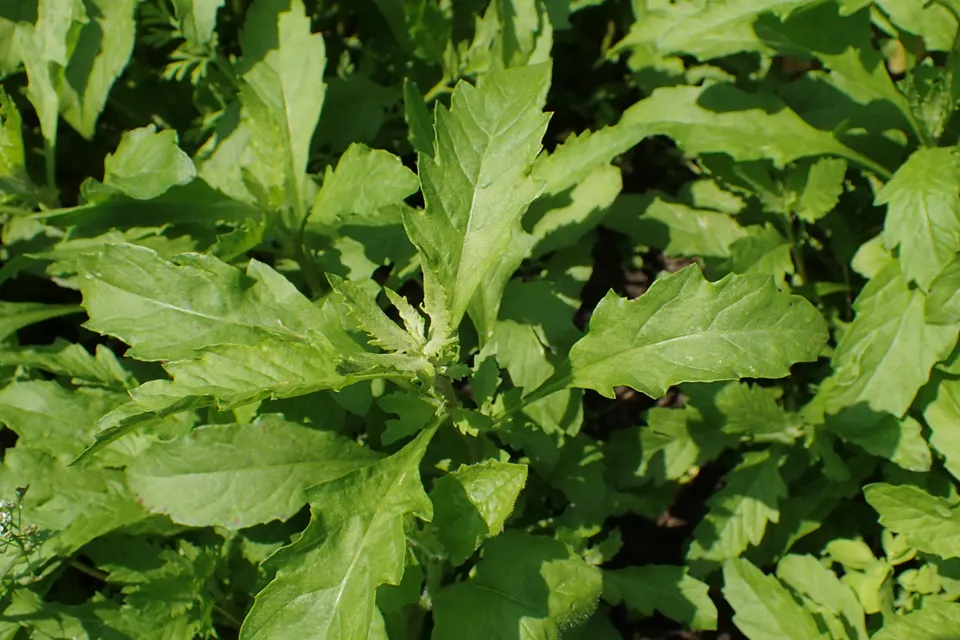
Epazote is the herb that goes into a pot of black beans in Mexican cooking, and it is the one herb here that comes with a genuine caution attached.
What the caution is, and is not
NC State Extension rates this plant medium poison severity. The detail matters: the risk is in the seeds, in quantity, from a compound called ascaridole, and the listed symptoms run from nausea and headache to convulsions. The leaf use in cooking, a sprig in a bean pot, is the normal and long-established one. It is also listed as a problem plant for dogs, cats and horses.
Put plainly: cook with the leaves as people have for centuries, do not eat the seed, and think twice if animals graze your beds.
Plan for it reseeding
The same source flags epazote as weedy and notes it readily reseeds, with wind carrying the seed well beyond where you planted it. One plant becomes a patch, and a patch becomes the bed. This is manageable if you expect it: cut the flower heads before they set, and pull volunteers while they are small.
Give it the north edge
At two to five feet with irregular side branches, this is not a tidy front-row herb. It wants full sun, six hours or more, and enough room that its branching does not swallow whatever is beside it. Our designer places it at roughly two square feet each and flags it as tall, which puts it on the north side where it will not shade the rest of the bed.
Sow it straight into the ground once frost has passed, barely covered. It is not fussy, which is part of why it spreads so readily.
Source: NC State Extension Gardener Plant Toolbox, Dysphania ambrosioides.
Companion planting guide for Epazote · Find your planting dates
Typically viable in USDA zones 4-11. Not sure your zone? Look it up by ZIP code.
Mature height: 2-5 ft
Method: Direct sow: Direct-sow outside. It doesn't transplant well, or doesn't need the extra time indoors.
When to plant epazote, by zone
Every zone epazote grows in. Pick your zone in the header and it will be highlighted here. Each zone links to its full page.
| Zone | Start indoors | Sow or plant out | Harvest |
|---|---|---|---|
| 4a & 4b | Not usually | May 15–May 22 | Jul 14–Jul 21 |
| 5a & 5b | Not usually | May 10–May 17 | Jul 9–Jul 16 |
| 6a & 6b | Not usually | Apr 25–May 2 | Jun 24–Jul 1 |
| 7a & 7b | Not usually | Apr 10–Apr 17 | Jun 9–Jun 16 |
| 8a & 8b | Not usually | Mar 25–Apr 1 | May 24–May 31 |
| 9a & 9b | Not usually | Feb 15–Feb 22 | Apr 16–Apr 23 |
| 10a & 10b | Not usually | Jan 30–Feb 6 | Mar 31–Apr 7 |
| 11a & 11b | Not usually | Jan 1–Jan 8 | Mar 2–Mar 9 |
Harvest dates are about 60 days after the sow or plant-out date.
See exact start-indoors, direct-sow, and harvest dates for your zone →
How many Epazote plants fit per square foot?
Spacing: about 2 square feet per plant (square-foot-gardening spacing). Mature height: 2-5 ft.
Where to buy epazote seeds
True Leaf Market (each supplier's epazote seeds)
As an Amazon Associate we earn from qualifying purchases. Some links on this page also go to other retailers we may earn a commission from as an affiliate, at no extra cost to you. We only recommend products with a clear consensus of positive, independent reviews, or ones we bought and use ourselves. Each item on our gear page says which.
See it growing
Search YouTube for "growing epazote" videos → (a live search, not a hand-picked video; results vary and aren't vetted by us)

Pin this for later
Growing Epazote: The Mexican herb cooked with beans, which reseeds hard and carries a seed warning worth reading.
Save to Pinterest