Growing Echinops (Globe Thistle): A Complete Profile
By Growing Home Greens Team · August 10, 2026
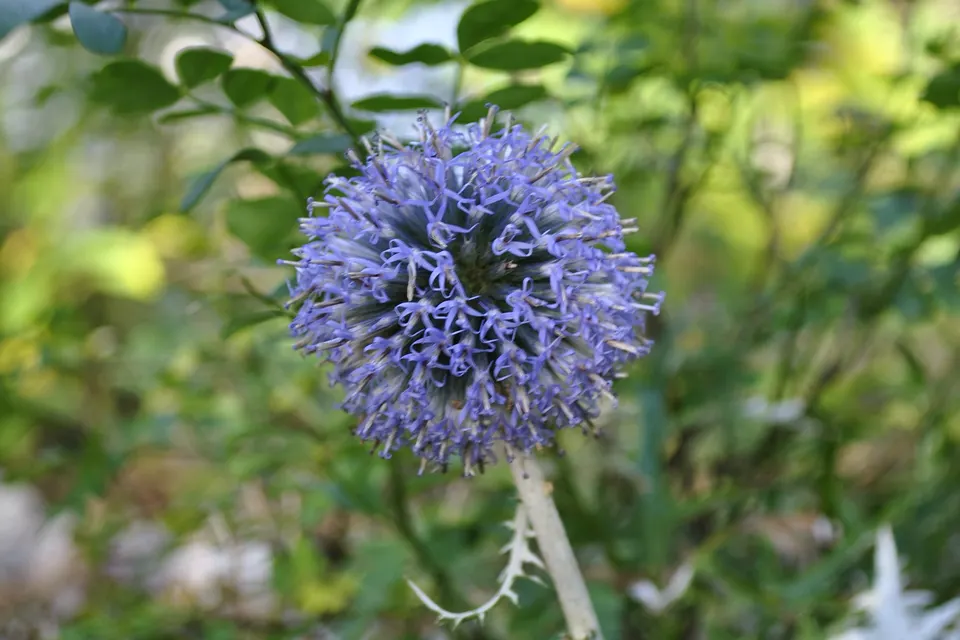
Echinops, or globe thistle, is a perennial thistle relative grown for its perfectly round, metallic-blue flower globes, a shape that reads as almost artificial and holds up beautifully as a dried flower.
Getting it started
Transplant, sowing seed 6 to 8 weeks before planting out and covering just enough to hold the seed in place, since some light aids germination. Direct-seeding works too, once soil temperature reaches at least 65°F, with the seed covered lightly. Germination takes 14 to 21 days at 65-75°F. Space plants 18 to 24 inches apart; divide clumps every 4 to 5 years to prevent overcrowding. It’s hardy in zones 3-9.
Tough once established
Full sun is preferred, though echinops tolerates partial shade. Once established, it tolerates hot, dry, and poor soil conditions better than most perennials, a good choice for a tough spot other flowers struggle in.
Timing the harvest matters
Cut fresh or for drying once half to three-quarters of the globe has turned blue. Waiting too long is a real risk: overripe globes shatter instead of holding their round shape once cut and dried.
Echinops has no well-established companion pairings, and nothing it needs to be kept away from. Given its longevity and strong bee draw, it’s a good fixed mid-border perennial in the Garden Designer rather than something to rotate through with annuals.
Source: Echinops (Globe Thistle): Key Growing Information, Johnny’s Selected Seeds.
Companion planting guide for Echinops (Globe Thistle) · Find your planting dates
Typically viable in USDA zones 3-9. Not sure your zone? Look it up by ZIP code.
Mature height: 2.5-4 ft
Method: Start indoors: Start indoors from seed, then transplant outside. It needs a head start most zones can't give it by direct-sowing alone.
When to plant echinops (globe thistle), by zone
Every zone echinops (globe thistle) grows in. Pick your zone in the header and it will be highlighted here. Each zone links to its full page.
| Zone | Start indoors | Sow or plant out | Bloom |
|---|---|---|---|
| 3a & 3b | Apr 11–Apr 18 | Jun 6–Jun 13 | About a year after planting |
| 4a & 4b | Mar 27–Apr 3 | May 22–May 29 | About a year after planting |
| 5a & 5b | Mar 22–Mar 29 | May 17–May 24 | About a year after planting |
| 6a & 6b | Mar 7–Mar 14 | May 2–May 9 | About a year after planting |
| 7a & 7b | Feb 20–Feb 27 | Apr 17–Apr 24 | About a year after planting |
| 8a & 8b | Feb 4–Feb 11 | Apr 1–Apr 8 | About a year after planting |
| 9a & 9b | Dec 28–Jan 4 | Feb 22–Mar 1 | About a year after planting |
See exact start-indoors, direct-sow, and harvest dates for your zone →
How many Echinops (Globe Thistle) plants fit per square foot?
Spacing: about 2 square feet per plant (square-foot-gardening spacing). Mature height: 2.5-4 ft.
Varieties worth considering
- 'Ritro' echinops: Johnny's Selected Seeds' primary echinops offering, a perennial plant described for its ornamental blue globes; there's no meaningful named-cultivar market beyond it in the seed trade this plant is sold through. (source)
Why each variety is listed comes from the source shown next to it. We haven't grown these ourselves yet, so treat this as a research-backed starting point, not a personal endorsement. The buy links are separate from those sources: they go to seed suppliers that sell that exact variety, and we may earn a commission on some of them.
Where to buy echinops seeds
None of the seed suppliers we list carries echinops seeds right now. A local garden center or a specialty seed house is the place to look.
As an Amazon Associate we earn from qualifying purchases. Some links on this page also go to other retailers we may earn a commission from as an affiliate, at no extra cost to you. We only recommend products with a clear consensus of positive, independent reviews, or ones we bought and use ourselves. Each item on our gear page says which.
See it growing
Search YouTube for "growing echinops (globe thistle)" videos → (a live search, not a hand-picked video; results vary and aren't vetted by us)

Pin this for later
Growing Echinops (Globe Thistle): A perennial thistle relative grown for its perfectly round, metallic-blue flower globes, a strong bee draw and a dried-flower staple that holds its color well.
Save to Pinterest