Growing Desert Marigold: A Complete Profile
By Growing Home Greens Team · July 18, 2026
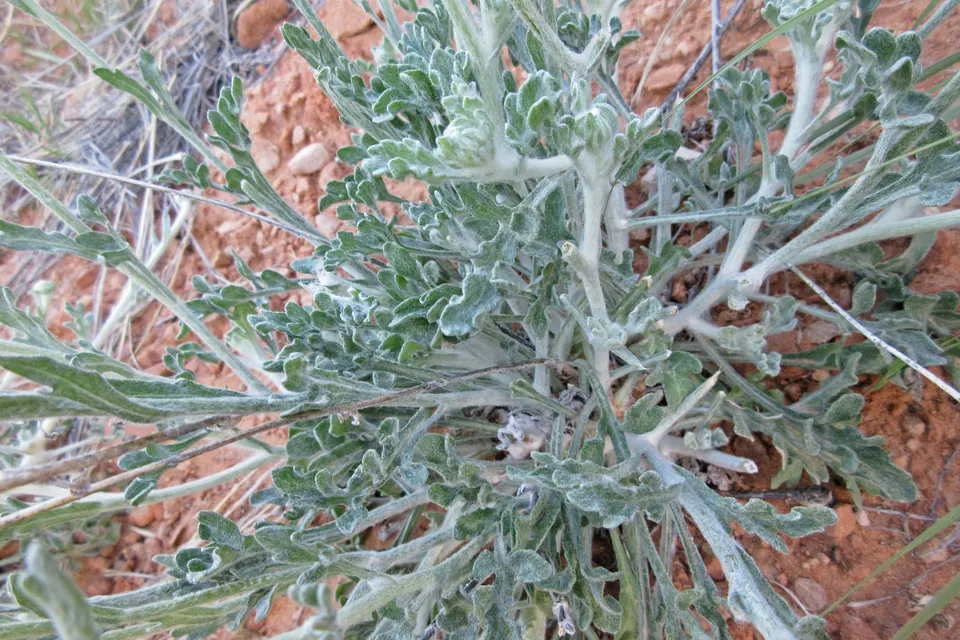
Desert marigold is an odd fit for a vegetable-garden companion list because it isn’t trying to fix anything. It’s just there to survive extreme heat and drought while pulling in bees and butterflies, which is exactly what a low-desert garden needs in the months when little else is blooming, and it does it as a modest 1- to 1.5-foot mound of silvery foliage topped with plain yellow daisy blooms. If you garden anywhere outside zones 7-10, skip this one; it has no interest in humidity or regular watering.
Getting seed to take
Direct-sow desert marigold about a week after your last frost, barely covering the seed. It needs light and warmth to germinate, not depth, and germination is inconsistent enough that it’s worth oversowing rather than trusting every seed to come up. Buy it as straight Baileya multiradiata seed, not folded into a generic desert wildflower mix, so you control how thick you’re sowing rather than relying on whatever fraction of a mixed packet happens to be this species.
Once established, the woolly, silver-green foliage and gold daisy blooms keep coming almost continuously, and the plant self-seeds readily enough that a single season’s planting can carry itself into the next year without help. Give it one plant per square foot; it doesn’t want crowding.
What goes wrong
The single biggest killer of desert marigold is overwatering. This is a plant adapted to gravelly desert washes, and consistently damp soil leads to crown rot fast. If the base of the plant is going soft or black, cut back irrigation before doing anything else. It has essentially no pest problems worth mentioning; the challenges here are almost all about resisting the urge to treat it like a normal garden flower.
A pollinator anchor for the driest edge
Desert marigold has no well-established companion pairings, and nothing it needs to be kept away from. Its value is as a low-water pollinator anchor along the hot, dry edges of a desert vegetable garden where thirstier crops won’t thrive anyway. Plan its spot in the Garden Designer away from anything on a regular drip schedule.
Sources: Baileya multiradiata, Lady Bird Johnson Wildflower Center Native Plant Database.
Companion planting guide for Desert Marigold · Find your planting dates
Typically viable in USDA zones 7-10. Not sure your zone? Look it up by ZIP code.
Mature height: 1-1.5 ft
Method: Direct sow: Direct-sow outside. It doesn't transplant well, or doesn't need the extra time indoors.
When to plant desert marigold, by zone
Every zone desert marigold grows in. Pick your zone in the header and it will be highlighted here. Each zone links to its full page.
| Zone | Start indoors | Sow or plant out | Bloom |
|---|---|---|---|
| 7a & 7b | Not usually | Apr 17–Apr 24 | Jul 1–Jul 8 |
| 8a & 8b | Not usually | Apr 1–Apr 8 | Jun 15–Jun 22 |
| 9a & 9b | Not usually | Feb 22–Mar 1 | May 8–May 15 |
| 10a & 10b | Not usually | Feb 6–Feb 13 | Apr 22–Apr 29 |
Bloom dates are about 75 days after the sow or plant-out date.
See exact start-indoors, direct-sow, and harvest dates for your zone →
How many Desert Marigold plants fit per square foot?
Spacing: 1 per square foot (square-foot-gardening spacing). Mature height: 1-1.5 ft.
Varieties worth considering
- Straight-species Baileya multiradiata, sourced as pure seed rather than part of a mixed wildflower blend: The Lady Bird Johnson Wildflower Center's own growing notes admit germination is unpredictable and tell growers to sow heavily to compensate. A generic 'desert wildflower mix' packet gives you only a few true desert marigold seeds diluted among faster annuals that outcompete it early; buying it as its own seed lets you sow at the density it needs. (source)
Why each variety is listed comes from the source shown next to it. We haven't grown these ourselves yet, so treat this as a research-backed starting point, not a personal endorsement. The buy links are separate from those sources: they go to seed suppliers that sell that exact variety, and we may earn a commission on some of them.
Where to buy desert marigold seeds
None of the seed suppliers we list carries desert marigold seeds right now. A local garden center or a specialty seed house is the place to look.
As an Amazon Associate we earn from qualifying purchases. Some links on this page also go to other retailers we may earn a commission from as an affiliate, at no extra cost to you. We only recommend products with a clear consensus of positive, independent reviews, or ones we bought and use ourselves. Each item on our gear page says which.
See it growing
Search YouTube for "growing desert marigold" videos → (a live search, not a hand-picked video; results vary and aren't vetted by us)

Pin this for later
Growing Desert Marigold: A true Sonoran Desert native that blooms almost year-round on neglect, and resents anyone who tries to baby it with water.
Save to Pinterest