Growing Currants: A Complete Profile
By Growing Home Greens Team · August 6, 2026
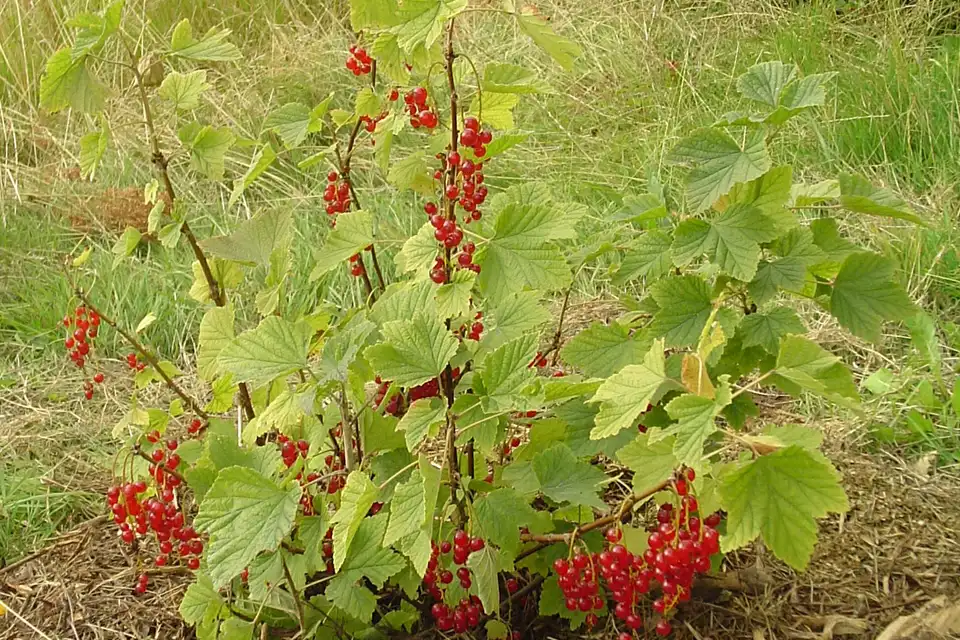
Currants are the fruit for the difficult corner. They tolerate part shade better than anything else you can grow for fruit, they’re hardy to zone 3, and they crop from their second year. If you have a north-facing fence or a spot that only gets morning sun, this is what goes there.
They’re also badly underrated in the US, largely for a historical reason worth knowing before you order one.
Check your state first
Currants and gooseberries are both Ribes, and Ribes can host white pine blister rust, a disease that kills five-needle pines. The US banned the genus federally in 1911. The federal ban ended in 1966, but some states and counties still restrict or prohibit planting, and the rules vary by species. Black currants are more often restricted than red.
This takes five minutes to check and it’s the first thing to do. Nurseries won’t always ship to a restricted state, but not all of them check.
Growing them
Plant a bush 1-2 inches deeper than it grew in the pot. Unlike most fruit, that’s deliberate: burying the crown slightly encourages new shoots from the base, and a currant’s productivity depends on a steady supply of them.
They crop on wood that’s one, two and three years old, with the heaviest yield on two-year-old wood. So pruning is simple: each winter, cut out anything four years or older at the base, and take out the weakest new shoots. Aim for roughly a dozen stems of mixed ages.
Full sun gives the biggest crop, but part shade costs you far less than it would with any other fruit, which is the whole argument for growing them.
What goes wrong
Yields drop after a few years. Old wood. Currants that are never pruned become a thicket of unproductive four- and five-year-old stems. The annual cut-out is what keeps them going.
Leaves drop in midsummer. Usually currant leaf spot, worse in crowded, humid conditions. Prune for airflow and clear fallen leaves.
Blistered red patches on the leaves. Currant blister aphid. Ugly, rarely serious.
Birds. As with everything else here. Net it.
Where to put it
Part shade is fine, full sun is better, and it wants about four feet of space. Cool, moist soil suits it; it’s less drought-tolerant than most fruit and appreciates a mulch.
Because it takes shade, a currant is a good use of the north side of a bed, behind taller crops, where you couldn’t put much else productive.
Source: Growing currants and gooseberries in the home garden, University of Minnesota Extension.
Companion planting guide for Currant · Find your planting dates
Typically viable in USDA zones 3-8. Not sure your zone? Look it up by ZIP code.
Mature height: 3-5 ft
Method: Buy as a start: Buy as a nursery start and transplant outside. It's slow or unreliable from seed, so most gardeners skip seed-starting it entirely.
When to plant currant, by zone
Every zone currant grows in. Pick your zone in the header and it will be highlighted here. Each zone links to its full page.
| Zone | Start indoors | Sow or plant out | Harvest |
|---|---|---|---|
| 3a & 3b | Buy as a start | May 2–May 9 | First real harvest the season after planting |
| 4a & 4b | Buy as a start | Apr 17–Apr 24 | First real harvest the season after planting |
| 5a & 5b | Buy as a start | Apr 12–Apr 19 | First real harvest the season after planting |
| 6a & 6b | Buy as a start | Mar 28–Apr 4 | First real harvest the season after planting |
| 7a & 7b | Buy as a start | Mar 13–Mar 20 | First real harvest the season after planting |
| 8a & 8b | Buy as a start | Feb 25–Mar 4 | First real harvest the season after planting |
See exact start-indoors, direct-sow, and harvest dates for your zone →
How many Currant plants fit per square foot?
Spacing: about 20 square feet per plant (square-foot-gardening spacing). Mature height: 3-5 ft.
Varieties worth considering
- Black currant: The most strongly flavoured and by far the highest in vitamin C. Almost always cooked rather than eaten raw. Also the type most likely to be restricted, because it is the better host for white pine blister rust; look for immune varieties like 'Consort' or 'Titania' if your state allows them. (source)
- Red currant: Translucent strings of tart fruit, high in pectin, which makes it the best thing here for jelly. More ornamental than black currant and pleasant enough raw if you like sharp fruit. (source)
- White currant: A red currant without the pigment. Noticeably sweeter and the one people eat off the bush. Lower yielding and harder to find. (source)
Why each variety is listed comes from the source shown next to it. We haven't grown these ourselves yet, so treat this as a research-backed starting point, not a personal endorsement. The buy links are separate from those sources: they go to seed suppliers that sell that exact variety, and we may earn a commission on some of them.
Where to buy currant starts
Currant is almost always bought as a nursery start rather than seeded. Check a local nursery or garden center; we haven't vetted online start/plant suppliers yet.
As an Amazon Associate we earn from qualifying purchases. Some links on this page also go to other retailers we may earn a commission from as an affiliate, at no extra cost to you. We only recommend products with a clear consensus of positive, independent reviews, or ones we bought and use ourselves. Each item on our gear page says which.
See it growing
Search YouTube for "growing currant" videos → (a live search, not a hand-picked video; results vary and aren't vetted by us)

Pin this for later
Growing Currant: Currants tolerate shade better than any other fruit, crop from year two, and are restricted in some US states. What to know before you buy one.
Save to Pinterest