Growing Cleome: A Complete Profile
By Growing Home Greens Team · July 18, 2026
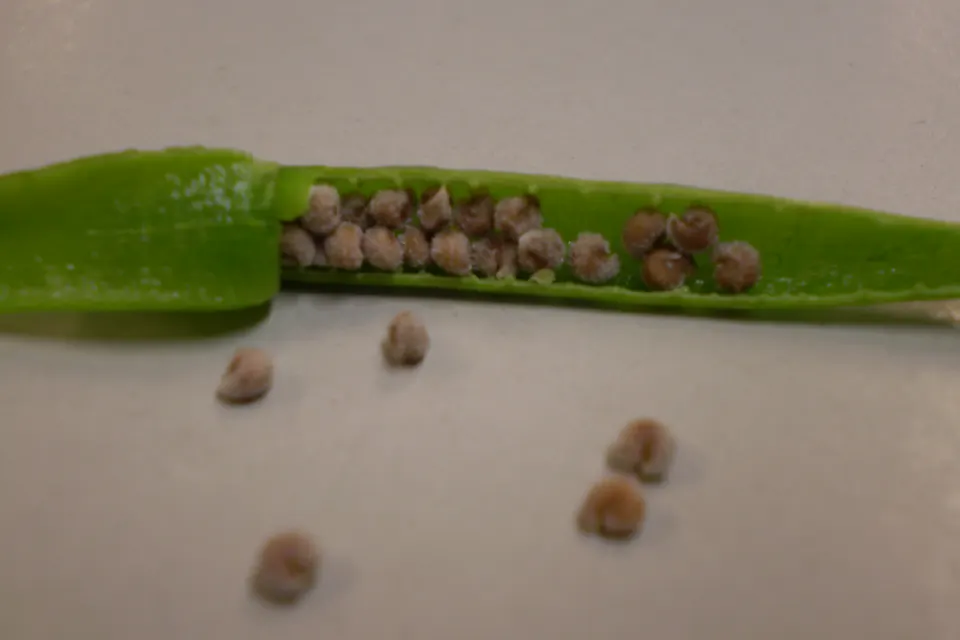
Cleome, also called spider flower, is one of the taller plants on this site, anywhere from 1.5 to 6 feet depending on the cultivar, and it earns that height by being a serious draw for hummingbirds, bees, butterflies, and predatory insects that help keep pest populations down elsewhere in the garden. The classic species form does have a downside worth knowing up front: sticky sap, a noticeable odor, and stems armed with small spines.
Sowing it, and giving it shelter from wind
Cleome can be started indoors about 7 weeks before your last frost or direct-sown around 2 weeks after it, seed set a quarter-inch deep. It benefits from a spot sheltered from wind given its height, and it needs relatively little else once established. Plant 1 per square foot and place it where its mature height won’t shade shorter vegetables nearby.
The sap and the spines are chemistry, not disease
Standard-species cleome that gets sticky, smelly, or scratchy to handle isn’t diseased or struggling. That’s just the plant’s natural chemistry, and it’s the main reason thornless hybrids like the one above exist. Leggy, sparse-looking plants usually mean not enough sun or too much crowding; give cleome full sun and its full square foot to keep it bushy rather than stretched.
A tall backdrop for the north edge
Cleome has no well-established companion pairings, and nothing it needs to be kept away from. Its height and pollinator draw make it a strong tall backdrop plant in the Garden Designer, best placed along a north edge so it isn’t shading vegetables that need full sun.
Companion planting guide for Cleome (Spider Flower) · Find your planting dates
Typically viable in USDA zones 2-11. Not sure your zone? Look it up by ZIP code.
Mature height: 1.5-6 ft
Method: Either: Start indoors for an earlier harvest, or direct-sow outside for less fuss. Either works.
When to plant cleome (spider flower), by zone
Every zone cleome (spider flower) grows in. Pick your zone in the header and it will be highlighted here. Each zone links to its full page.
| Zone | Start indoors | Sow or plant out | Bloom |
|---|---|---|---|
| 2a & 2b | Apr 1–Apr 8 | Jun 3–Jun 10 | Aug 17–Aug 24 |
| 3a & 3b | Apr 11–Apr 18 | Jun 13–Jun 20 | Aug 27–Sep 3 |
| 4a & 4b | Mar 27–Apr 3 | May 29–Jun 5 | Aug 12–Aug 19 |
| 5a & 5b | Mar 22–Mar 29 | May 24–May 31 | Aug 7–Aug 14 |
| 6a & 6b | Mar 7–Mar 14 | May 9–May 16 | Jul 23–Jul 30 |
| 7a & 7b | Feb 20–Feb 27 | Apr 24–May 1 | Jul 8–Jul 15 |
| 8a & 8b | Feb 4–Feb 11 | Apr 8–Apr 15 | Jun 22–Jun 29 |
| 9a & 9b | Dec 28–Jan 4 | Mar 1–Mar 8 | May 15–May 22 |
| 10a & 10b | Dec 12–Dec 19 | Feb 13–Feb 20 | Apr 29–May 6 |
| 11a & 11b | Nov 13–Nov 20 | Jan 15–Jan 22 | Mar 31–Apr 7 |
Bloom dates are about 75 days after the sow or plant-out date, not after starting seeds indoors.
Zone 2 sows before zone 3 here, which looks wrong and is not. USDA zones rank winter cold, not season length, and zone 2 is mostly interior Alaska, where hard winters come with warm summers. More on what a zone measures.
See exact start-indoors, direct-sow, and harvest dates for your zone →
How many Cleome (Spider Flower) plants fit per square foot?
Spacing: 1 per square foot (square-foot-gardening spacing). Mature height: 1.5-6 ft.
Varieties worth considering
- Senorita Rosalita: A Proven Winners hybrid bred thornless, odorless, and sterile. It doesn't set seed pods, which means longer bloom and no self-seeding, but it must be bought as a transplant since it can't be grown from saved seed. (source)
- 'Linde Armstrong': University of Wisconsin-Madison Extension describes this as a very compact, non-scented, thornless cultivar at just 18-24 inches, well under the species' usual height. Unlike Senorita Rosalita it's grown from seed, so it's the pick if you want the thornless, odorless traits without buying transplants every year. (source)
- Queen series: The traditional seed-grown type Wisconsin Extension lists at 3-5 feet, in Cherry, Lilac, Rose, Violet and White. This is the classic species-type cleome, spines, scent and all, so pair it with the placement advice below rather than expecting Linde Armstrong's manners. (source)
Why each variety is listed comes from the source shown next to it. We haven't grown these ourselves yet, so treat this as a research-backed starting point, not a personal endorsement. The buy links are separate from those sources: they go to seed suppliers that sell that exact variety, and we may earn a commission on some of them.
Where to buy cleome seeds
True Leaf Market · Burpee · High Mowing Organic Seeds (each supplier's cleome seeds)
As an Amazon Associate we earn from qualifying purchases. Some links on this page also go to other retailers we may earn a commission from as an affiliate, at no extra cost to you. We only recommend products with a clear consensus of positive, independent reviews, or ones we bought and use ourselves. Each item on our gear page says which.
See it growing
Search YouTube for "growing cleome (spider flower)" videos → (a live search, not a hand-picked video; results vary and aren't vetted by us)
%3A%20A%20tall%2C%20wind-loving%20beneficial-insect%20magnet%20that%20classic%20varieties%20carry%20a%20spine%20and%20a%20smell%20most%20gardeners%20aren't%20warned%20about.)
Pin this for later
Growing Cleome (Spider Flower): A tall, wind-loving beneficial-insect magnet that classic varieties carry a spine and a smell most gardeners aren't warned about.
Save to Pinterest