Growing Apricot: A Complete Profile
By Growing Home Greens Team · August 11, 2026
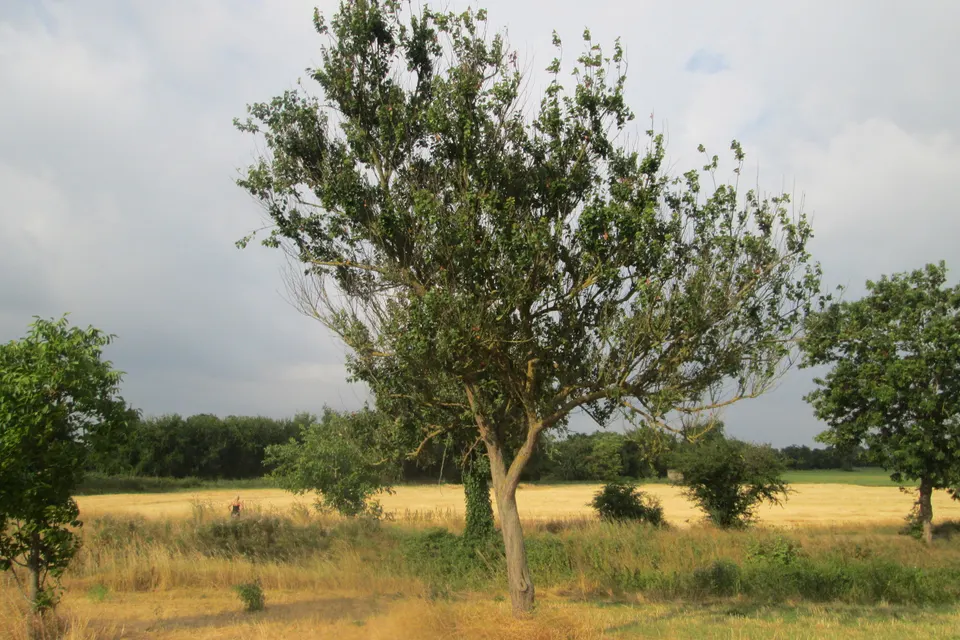
Apricot is generally self-fruitful, a single tree sets fruit alone, but it blooms earlier than any other temperate fruit tree, which makes spring frost the real threat to the crop even in a climate the tree is otherwise well-suited to.
Bloom timing is the real constraint, not zone
Apricots hardy to zone 4 or 5 on paper can still fail to fruit most years if the local climate has frequent late freezes, since the early bloom puts flowers directly in harm’s way. Selecting a later-blooming, winter-hardy cultivar delays bloom just enough to meaningfully cut this risk, even though it doesn’t eliminate it.
Thin aggressively or the tree overproduces
Apricot trees reliably set more fruit than they can properly ripen. Once fruit reaches grape size, thin to one fruit every 4-6 inches along the branch; skipping this step produces a heavy crop of small, lower-quality fruit and stresses the tree.
Fruit forms on multi-year wood
Most fruit comes from short spurs that stay productive for 3-5 years, so pruning should avoid removing too much of that older fruiting wood at once, unlike a crop that fruits mainly on new growth.
Apricot has no well-established companion pairings, and nothing it needs to be kept away from. Plum and apricot cross-pollinate readily in the wild, which is the origin of interspecific hybrids sold commercially as plumcot, pluot, and aprium, worth knowing if a nearby plum tree produces unexpected-looking fruit.
Source: How to Grow Apricots in Your Home Garden, Utah State University Extension.
Companion planting guide for Apricot · Find your planting dates
Typically viable in USDA zones 5-8. Not sure your zone? Look it up by ZIP code.
Mature height: 13-16 ft
Method: Buy as a start: Buy as a nursery start and transplant outside. It's slow or unreliable from seed, so most gardeners skip seed-starting it entirely.
When to plant apricot, by zone
Every zone apricot grows in. Pick your zone in the header and it will be highlighted here. Each zone links to its full page.
| Zone | Start indoors | Sow or plant out | Harvest |
|---|---|---|---|
| 5a & 5b | Buy as a start | Apr 26–May 3 | First real harvest in year 4 |
| 6a & 6b | Buy as a start | Apr 11–Apr 18 | First real harvest in year 4 |
| 7a & 7b | Buy as a start | Mar 27–Apr 3 | First real harvest in year 4 |
| 8a & 8b | Buy as a start | Mar 11–Mar 18 | First real harvest in year 4 |
See exact start-indoors, direct-sow, and harvest dates for your zone →
How many Apricot plants fit per square foot?
Spacing: about 50 square feet per plant (square-foot-gardening spacing). Mature height: 13-16 ft.
Varieties worth considering
- 'Moorpark' apricot (best for: flavor, winter hardiness): Utah State University Extension lists Moorpark as one of the most winter-hardy, later-blooming cultivars, among the most popular apricots for eating fresh and general processing, though still not immune to spring frost damage. (source)
- 'Goldcot' apricot (best for: cold-winter climates): Stark Bro's Nursery describes this as bred in Michigan's snow belt specifically for cold-winter hardiness, vigor, and consistent production, self-pollinating with an 800-hour chill requirement. A better fit than Moorpark for a properly cold-winter climate. (source)
Why each variety is listed comes from the source shown next to it. We haven't grown these ourselves yet, so treat this as a research-backed starting point, not a personal endorsement. The buy links are separate from those sources: they go to seed suppliers that sell that exact variety, and we may earn a commission on some of them.
Where to buy apricot starts
Apricot is almost always bought as a nursery start rather than seeded. Check a local nursery or garden center; we haven't vetted online start/plant suppliers yet.
As an Amazon Associate we earn from qualifying purchases. Some links on this page also go to other retailers we may earn a commission from as an affiliate, at no extra cost to you. We only recommend products with a clear consensus of positive, independent reviews, or ones we bought and use ourselves. Each item on our gear page says which.
See it growing
Search YouTube for "growing apricot" videos → (a live search, not a hand-picked video; results vary and aren't vetted by us)

Pin this for later
Growing Apricot: Self-fruitful and among the earliest fruit trees to bloom, which means a hardy zone rating alone doesn't guarantee a crop. Late spring frost, not winter cold, is the real risk.
Save to Pinterest