Swedish Ivy
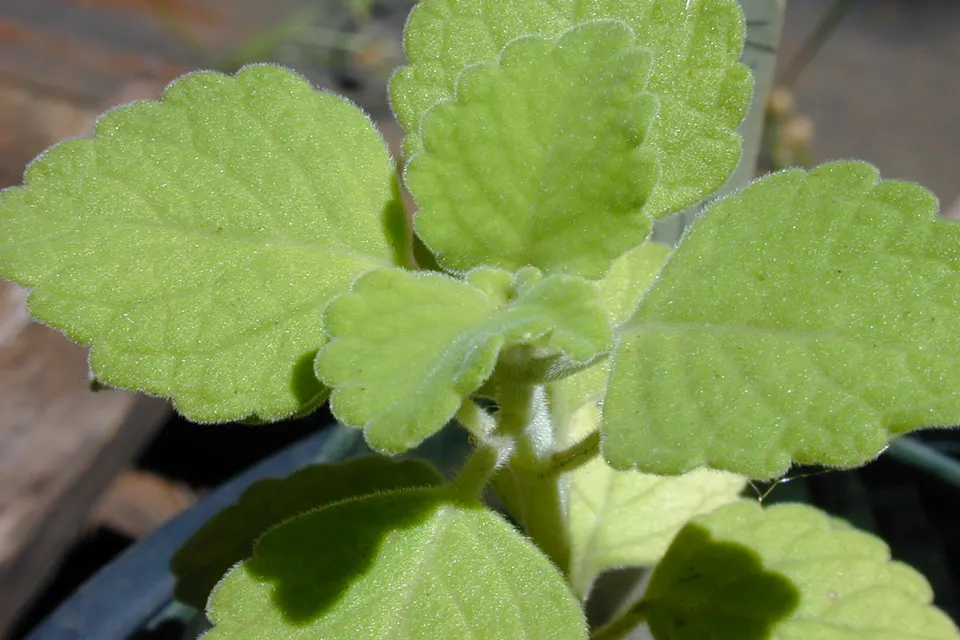
Coleus australis, also called Plectranthus australis, Plectranthus parviflorus
- Light
- Medium light to bright, indirect light. Best spot: close to a bright window but out of the sun's direct rays.
- Water
- Keep evenly moist, never soggy
- Humidity
- Fine in ordinary indoor air
- Temperature
- Keep it above 50°F
- Potting mix
- An indoor potting mix with good drainage
- Pets
- Non-toxic (ASPCA)
How to care for a Swedish ivy
Not an ivy but a trailing member of the mint family, good in hanging baskets. Average warmth suits it, with a minimum of 50°F. It does best in semi-shade to bright light; keep it out of strong direct sun, which keeps it stunted. Grow it in a moist potting mix, water less in winter, and mist the leaves now and then. Pinch the stem tips to keep it full. Cuttings root easily. The botanical name has moved around: NC State files it as Plectranthus parviflorus, now Coleus australis.
Common problems
Mealybugs and spider mites; leaf spots and root rot.
Questions people ask
How much light does a Swedish ivy need?
Medium light to bright, indirect light. Best spot: close to a bright window but out of the sun's direct rays.
How often should I water a Swedish ivy?
Keep evenly moist, never soggy.
Is Swedish ivy toxic to cats and dogs?
No. Non-toxic to dogs, cats and horses (listed as Plectranthus australis).
Sources
- NC State Extension Plant Toolbox: Plectranthus parviflorus (Coleus australis)
- ASPCA Animal Poison Control: Swedish Ivy
As an Amazon Associate we earn from qualifying purchases. Some links on this page also go to other retailers we may earn a commission from as an affiliate, at no extra cost to you. We only recommend products with a clear consensus of positive, independent reviews, or ones we bought and use ourselves. Each item on our gear page says which.